
Vandaag of morgen in huis

Kwaliteit gegarandeerd

Welkomstaanbiedingen ontgrendelen: GRATIS bezorging | Tot 80% korting | Gratis 30 dagen JoyPlus-proefperiode
Download de app
If you're looking to buy Korean snacks, you'll quickly come across a huge range: from tteokbokki and instant noodles to Korean fried chicken, corndogs and Korean dumplings. However, a striking packet doesn't always tell you about portion size, preparation or whether it's right for your household. With a few simple checks, you can avoid a disappointing purchase.
A family pack can work out cheaper per portion, but it takes up space in your freezer. If you live alone or just want to try Korean street food occasionally, a smaller pack might be more practical. Always check the total weight, number of pieces and portion size.
"Easy to prepare" can mean you still need an oven, air fryer, pan or microwave. Frozen fried products also need enough space and heat to warm through evenly. Check the preparation instructions on the packet before you buy. The instructions on the product itself are the ones to follow.
Korean snacks often contain wheat, soya, sesame or other allergens. Some products may also mention possible cross-contamination. So check the ingredients list and allergen information, even if a product looks simple at first glance. The product page is a helpful starting point, but the physical packaging has the most up-to-date information.
Shelf-stable products like Korean instant noodles and some tteokbokki packs are practical for students, busy households and a quick snack. They usually need little storage space and are easy to portion out.
Frozen Korean snacks such as Korean fried chicken, corndogs and gyoza are better when you want to plan a snack time or meal. When your delivery arrives, check the product is still frozen and follow the stated storage temperature. According to the product information, once a product has thawed, it should not be refrozen.
Tteokbokki consists of chewy rice cakes in sauce. The flavour can range from mild and creamy to distinctly spicy. Yopokki Cheese Tteokbokki has a cheese flavour, while the Hot and Spicy version is described as having a spicier profile. If you're buying tteokbokki for the first time, it's best to compare the flavour direction and weight rather than just going by the packaging.
With Korean fried chicken, the sauce may or may not be included. A ready-to-eat product saves you work, while a Korean fried chicken mix gives you more freedom to choose your own chicken, quantity and sauce.
Portion packs can vary, so nutritional values per 100g are more useful for comparing products side by side. Pay particular attention to salt, sugar, fat and saturated fat, without automatically drawing a health conclusion from them.
For example: Rengi Boneless Korean Fried Chicken Sweet & Spicy states per 100g: 280 kcal, 13g fat, 30g carbohydrates, 10g protein and 0.49g salt. NongShim Chapagetti states per 100g: 12g fat and 4.7g salt. These are product specifications; your actual portion may differ.
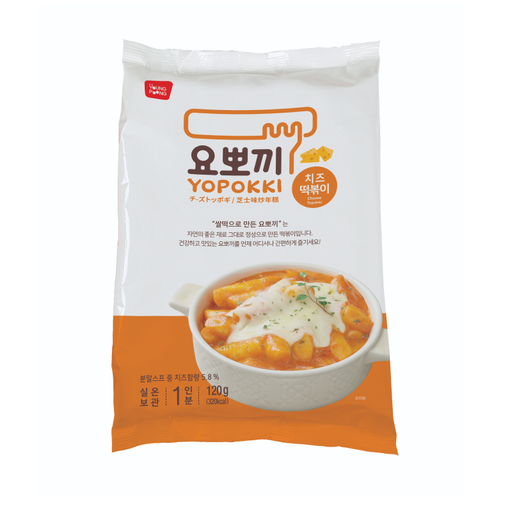
Why this fits the profile: The 120g pack is a manageable size for a first taste of tteokbokki and doesn't need much storage space.
The compact amount reduces the risk of having too much stock, and the product information clearly states storage conditions.
120g, rice cakes and a cheese flavour; according to the product information, none of the 14 main EU allergens are listed.
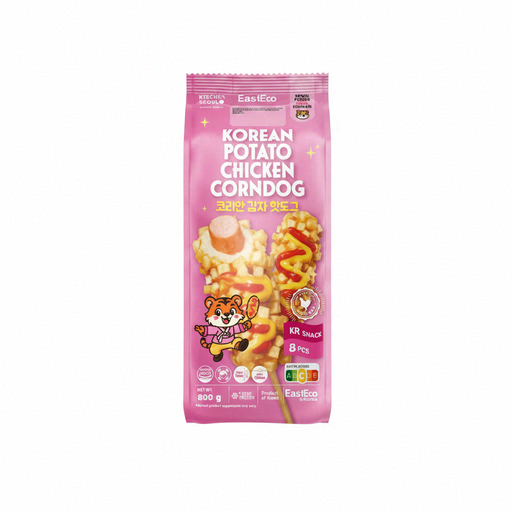
Why this fits the profile: A pack of eight pieces is ideal for a planned snack time with several people.
The number of portions is clearly stated in the product name. Do check the freezer space and allergens in advance.
Potato coating, chicken sausage and a weight of 100g per piece; the product information states frozen storage.
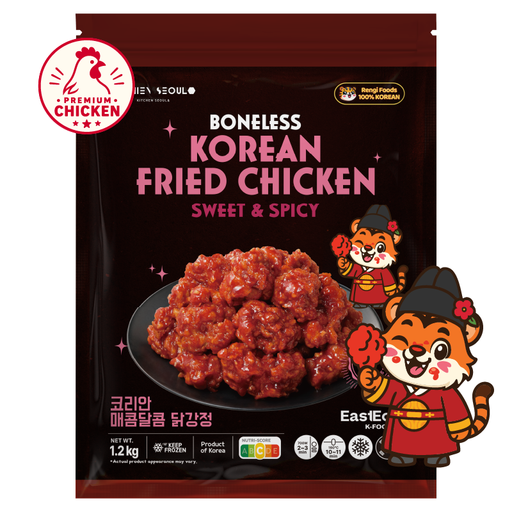
Why this fits the profile: The large pack is designed for families, groups and anyone who regularly cooks Korean fried chicken in the air fryer or oven.
The cooking method is mentioned and the weight prevents confusion with a small trial pack. Check whether 1.2kg fits in your freezer.
According to the product description, the chicken already comes with a sweet and spicy sauce and is designed to be heated in an air fryer or oven.

Why this fits the profile: A value pack of twenty packets is practical if you regularly want a quick store-cupboard meal.
The shelf-stable packaging means no freezer planning is needed. Do check the best-before date and allergens, including wheat and soya.
20 packs of 140g, containing noodles, seasoning powder and vegetable flakes according to the product description.
We've put together a full, up-to-date list of products that fully meet these strict selection criteria and comply with current European safety regulations.
For minimal preparation, tteokbokki packs and instant noodles are practical. For a snack from the oven or air fryer, look at corndogs, gyoza or ready-to-eat Korean fried chicken. Always check the specific preparation instructions first.
The shelf life is stated on the packaging. Store frozen products at the recommended temperature and keep them frozen until use. After thawing, follow the instructions and do not refreeze the product if that is not permitted.
That depends on the product type, weight and packaging. A bulk pack can lower the price per piece, but it's only good value if you use the contents within the stated shelf life. So compare price per 100g or per piece, plus any preparation costs such as oil or electricity.
