
Vandaag of morgen in huis

Kwaliteit gegarandeerd

Welkomstaanbiedingen ontgrendelen: GRATIS bezorging | Tot 80% korting | Gratis 30 dagen JoyPlus-proefperiode
Download de app
Anyone looking to buy Korean instant noodles will quickly come across dozens of flavours, brands and multipacks. The packaging often shows a steaming bowl piled high with toppings, while at home you will usually get just a noodle block, seasoning mix and a few dried vegetables. A few practical checks can help you avoid a disappointing purchase.
A red packet does not automatically mean the flavour will suit you. Some spicy instant noodles are mainly about chilli, with few other layers of flavour. Other varieties combine chilli with garlic, soy, mushroom, kimchi or seafood.
So do not just look for words such as “spicy” or “hot”. Check the ingredients and product description as well. According to the product description, a tom-yum variety such as NongShim Shin Ramyun Tomyum includes chilli, lemon, lime, lemongrass and garlic, among other ingredients. This indicates a different flavour profile from classic Korean ramen with a savoury broth.
A Shin Ramyun multipack or box containing twenty packets may offer a lower cost per serving, but only if you are likely to enjoy the flavour regularly. For a first taste, a pack of five or a single packet is more practical. This helps prevent a supply of instant noodle soup from sitting unused in the cupboard.
Also check the net weight per serving. A 120-gram pack is not the same as a 68-gram cup. The pack size also says nothing about the amount of toppings or how filling the final meal will be.
Korean noodles often contain wheat and soy. Depending on the flavour, they may also contain fish, crustaceans, milk, egg, peanuts, mustard or sesame. Always read the label on the packaging. Online product information may differ from the current packaging.
Nutritional values can vary considerably too. For various Nongshim products, the stated specifications show salt content ranging from approximately 2.5 to 5.6 grams per 100 grams. This is a significant difference if you eat several servings a week.
First decide what type of meal you are looking for:
Also check the preparation time. Many products are ready in 3 to 5 minutes, but some need to be cooked in a pan, while others only require boiling water to be poured over them. With a dry variety, you may need to drain off some of the cooking water.
For occasional use, individual packets or a five-pack are easy to manage. For students, families and enthusiasts who regularly eat Asian instant noodles, a large multipack may be more convenient. Compare the following:
A box containing 20 × 120 grams is primarily a stocking-up option. A smaller pack makes it easier to try different Korean noodles side by side.
Look for the EU allergen declaration and check that the information is suitable for your diet. “Vegetarian flakes” do not automatically mean that the entire seasoning mix is vegetarian; some products may contain fish extracts or crustacean ingredients, for example.
You should also treat brand claims about flavour or authenticity as product positioning, rather than objective proof of a particular culinary experience. According to Nongshim’s product information, its noodles are inspired by Korean soup dishes. The points that can be verified are the ingredients, nutritional values, serving size and preparation instructions.
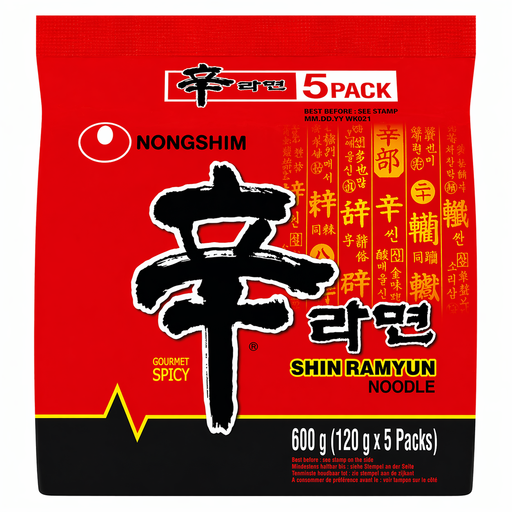
Why it suits this profile: A five-pack gives you the chance to try classic spicy Korean ramen without immediately buying a large supply.
The smaller multipack limits the risk of a disappointing purchase. The product information states a preparation time of approximately 4-5 minutes and lists the main allergens.
5 packets of 120 grams, a soup base with chilli and garlic, and a flavour that works well with added egg or vegetables.
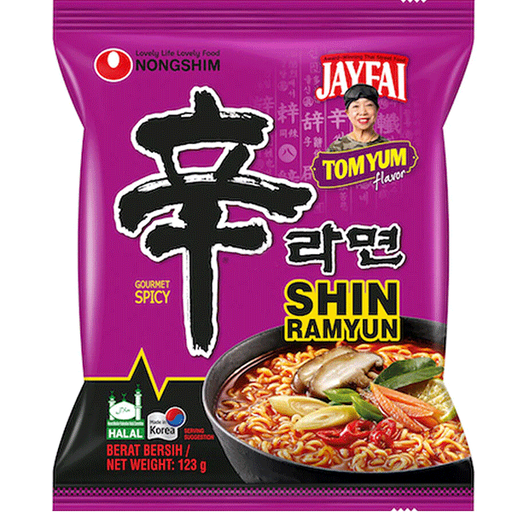
Why it suits this profile: Ideal for anyone looking for the tangy, aromatic notes of lime, lemon and lemongrass alongside the heat.
The flavour is not described as simply spicy; the product description also mentions tom-yum spices and a separate sauce mix.
123-gram serving, dried vegetables and a flavour profile featuring chilli, lime, lemon and lemongrass.
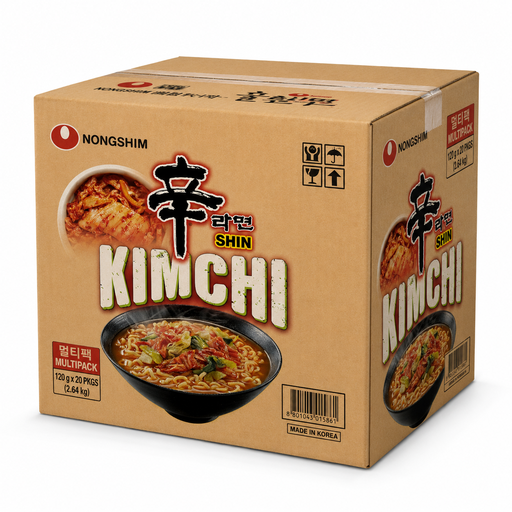
Why it suits this profile: A large box is practical for households, shared kitchens or anyone who often needs a quick Asian meal.
The packaging clearly states that it contains 20 servings of 120 grams. This makes it easier to estimate the cost per serving and the storage space required in advance.
20 individual packets, kimchi flakes and a vegetable mix, with a preparation method designed for quick meals.
We have put together a complete, up-to-date list of products that fully meet these strict selection criteria and the applicable European safety regulations.
Always follow the instructions on the packaging. With many packet noodles, you boil approximately 500 millilitres of water, add the noodles and seasoning, then cook everything for 4 to 5 minutes. You can add egg, spring onions, mushrooms or vegetables if you like. For alternative preparation methods, use the stated amount of water and cooking time.
Store unopened noodles in a cool, dry place away from direct sunlight. The exact best-before date is printed on the packaging. Check the packet for damage and do not use the product if the packaging is open or damaged. Once prepared, instant noodle soup is best eaten straight away.
That varies from one product to another. Many varieties contain wheat and soy. Other flavours may contain fish, crustaceans, milk, egg, peanuts, mustard or sesame. Always check the current ingredients list and allergen declaration on the packaging before ordering or preparing the product.
