
Vandaag of morgen in huis

Kwaliteit gegarandeerd

Welkomstaanbiedingen ontgrendelen: GRATIS bezorging | Tot 80% korting | Gratis 30 dagen JoyPlus-proefperiode
Download de app
Want to buy Korean drinks, but finding it hard to work out what suits you among all the colourful packaging and unfamiliar flavours? Korean soft drinks, fruit drinks and soju vary considerably in their ingredients, alcohol content, sweetness and size. An eye-catching can is not automatically the right choice for your needs.
Pay particular attention to these three common pitfalls:
Below, we outline the key points, with practical choices for different situations.
First, decide what type of drink you are looking for. A Korean milk drink has a creamier mouthfeel, while a Korean fizzy drink is lighter and carbonated. A Korean fruit drink may contain fruit juice, fruit purée, concentrate or simply flavouring.
Check the label for:
For example, LOTTE Milkis Melon lists skimmed milk powder and, according to the product information, contains 12 grams of sugar per 100 ml. This makes it different from an ordinary melon soft drink. Korean Smile Apple Mango lists apple and mango purée, with 8.5 grams of carbohydrates per 100 ml, of which 8.5 grams are sugar.
A 190 to 360 ml can is practical when you want to try one serving or order several flavours to compare. For a family, party or restaurant, packs of 6, 24 or more are more convenient.
Compare more than just the price per pack. Also consider:
For example, a box of Jeju Hallabong ADE Sparkling contains 24 cans of 350 ml. This is a different purchase from one 250 ml can of Milkis Melon. The first option is better suited to keeping a supply or catering for an event; the second is ideal for trying a new flavour.
If you want to buy Korean soju, check the alcohol content. The Oppa and 7DROPS varieties mentioned contain 12% alcohol and are supplied in 360 ml bottles. This is not an ordinary soft drink. In the Netherlands, alcoholic drinks may not be sold to anyone under the age of 18.
Also pay attention to allergens. Oppa Soju Melon and Oppa Soju Mango list wheat as an allergen. According to the product information, Milkis Melon contains milk and soya. If you have allergies, always check the current packaging, as product formulations can change.
Brands may use terms such as “refreshing”, “smooth” or “natural” as part of their marketing. Do not treat such terms as guaranteed product performance. Instead, check the ingredients list, nutritional information, volume and alcohol content.
The following selection is based on verifiable product details such as size, ingredients, nutritional information and alcohol content. Taste is personal; serve chilled where this is recommended in the product information.
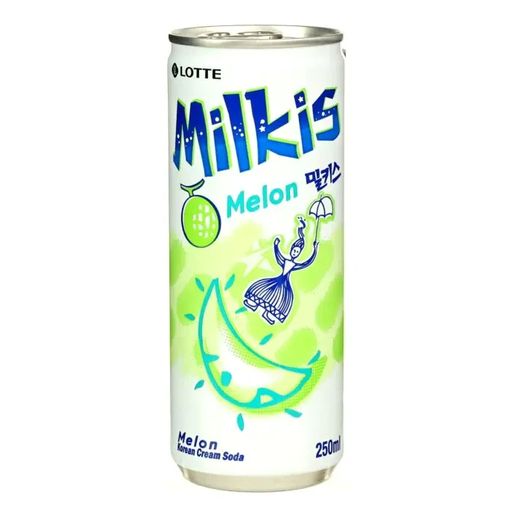
Why it suits this profile: A compact 250 ml can is ideal for trying a Korean melon soft drink without immediately buying a large supply.
The size helps reduce waste when making your first purchase. The product information also clearly lists milk and soya as allergens.
250 ml per can, carbonated, melon-flavoured and containing skimmed milk powder according to the label.
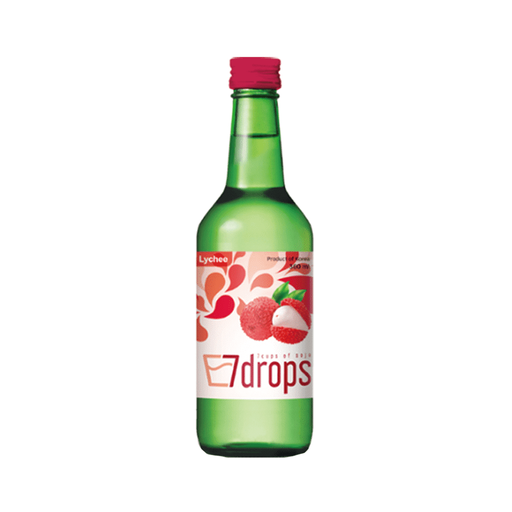
Why it suits this profile: Anyone looking for a fruity drink for a social occasion gets a clearly specified soju variety with lychee flavour and 12% alcohol.
The alcohol content is stated explicitly, so this product cannot be mistaken for an alcohol-free Korean lychee drink.
360 ml, 12% alcohol and lychee flavour; according to the product description, it is suitable for serving chilled, over ice or in a cocktail.
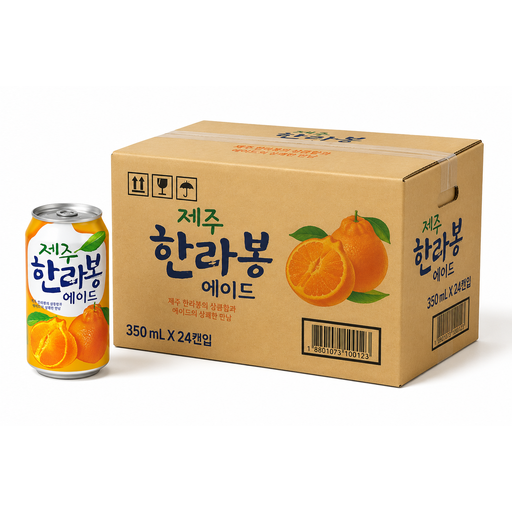
Why it suits this profile: A box of 24 cans is practical for parties, keeping a supply at home or use in a catering venue where portion-sized packaging is needed.
The multipack means you do not need to gather individual cans for several guests. However, check that you have enough storage space and estimate how much you are likely to use beforehand.
24 x 350 ml, carbonated and containing 0.9% Hallabong concentrate according to the product information.
If you are looking for a Korean mango drink, consider Korean Smile Apple Mango or 7DROPS Soju Mango. The first is an alcohol-free fruit drink in a box of 24 x 340 ml; the second contains 12% alcohol. This difference is more important than the fact that they share a fruit flavour.
For a Korean lychee drink, Mogu Mogu Lychee with nata de coco and Sagiko Lychee Drink represent two different styles. Mogu Mogu contains nata de coco pieces and comes as a six-pack. Sagiko is a 320 ml lychee drink without that texture. If you are looking for a distinctive Korean milk drink, Milkis Melon is a logical choice, while Taksi combines fruit and dairy ingredients.
For all Asian drinks, check the Dutch product information, allergens, nutritional values and storage advice. Once opened, drinks generally need to be refrigerated and consumed within the stated period.
We have put together a complete, up-to-date list of products that fully meet these strict selection criteria and the applicable European safety regulations.
Choose a soft drink, fruit drink or milk drink and check the label. Milkis Melon, Korean Smile Apple Mango and Jeju Hallabong ADE Sparkling are examples from the selection mentioned that have no stated alcohol content. Soju does contain alcohol and is therefore a separate category.
Store unopened products according to the packaging instructions, usually in a cool place away from direct sunlight. Once opened, a drink should generally be refrigerated and consumed within the stated period. For cans and bottles, also check that the packaging is undamaged.
That depends on the price per litre, delivery costs and how much you will actually use. A multipack of 24 x 350 ml is suitable for a party or regular consumption. For a first taste, one bottle or can is the wiser option, so you do not end up with a supply of a flavour that does not suit you.
