
Vandaag of morgen in huis

Kwaliteit gegarandeerd

Welkomstaanbiedingen ontgrendelen: GRATIS bezorging | Tot 80% korting | Gratis 30 dagen JoyPlus-proefperiode
Download de app
If you’re looking to buy Korean alcohol, you’ll quickly come across lots of colourful bottles and flavour names like apple, melon, lychee and watermelon. Yet a striking label doesn’t tell you much about what’s actually inside the bottle. Especially when shopping online, your expectations around taste, alcohol percentage and bottle size can turn out quite differently from what you imagined.
The main pitfalls to watch out for:
Always check the product page and the label. Product information can vary between different versions or pack sizes.
The alcohol percentage is shown as vol% or ABV. Many flavoured soju options in the range have around 12% alcohol, while some varieties sit at around 13%. For comparison: the Ozeki Junmai Sake 375 ml states 16% ABV, and CHOYA Original Plum Wine states 10% vol.
Also check the bottle size:
A lower percentage doesn’t mean you can drink without limit. Alcoholic drinks are only suitable for adults aged 18 and over. Drink responsibly and never drink and drive.
With fruit soju, fruit liqueur and cream liqueur, always check which ingredients are listed. Oppa Soju Watermelon 12%, for example, lists fermented apple and pear wine, concentrated watermelon juice, flavourings and sweeteners. The product information also states that it contains apple and pear products.
Other drinks specifically mention a particular allergen. Oppa Soju Melon and Oppa Soju Mango, for instance, list wheat. Baileys Hazelnut Cream contains milk, and Delica Original Advocaat contains egg. If in doubt, always check the current packaging, especially if you’re serving guests with allergies.
Also pay attention to sugar and carbohydrates. A sweet taste can come from sugar, fructose syrup, fruit juice or sweeteners. The exact nutritional values vary by brand and flavour.
Not every Korean drink is the same:
Serve flavoured soju chilled or over ice if you want to bring out the fruity taste. Sake can be served chilled, at room temperature or slightly warmed; follow the product information for guidance.
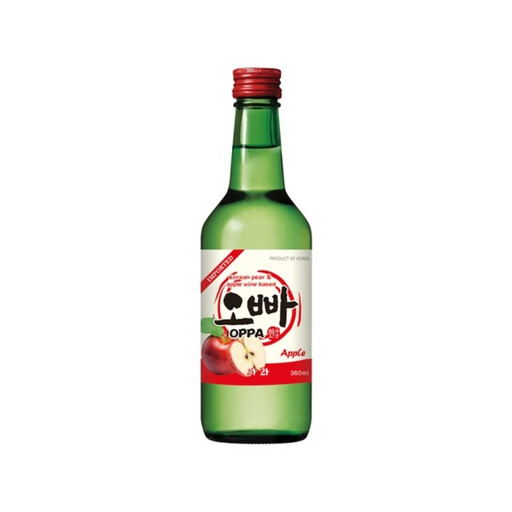
Why this fits the profile: The 360 ml bottle and 12% alcohol make this a straightforward introduction to fruity soju, without committing to a larger pack straight away.
The product information clearly states 360 ml, 12% vol and an apple profile. This lets you compare the size and alcohol percentage before buying.
12% alcohol, 360 ml, ready to drink and, according to the product information, suitable with Korean barbecue and spicy dishes.
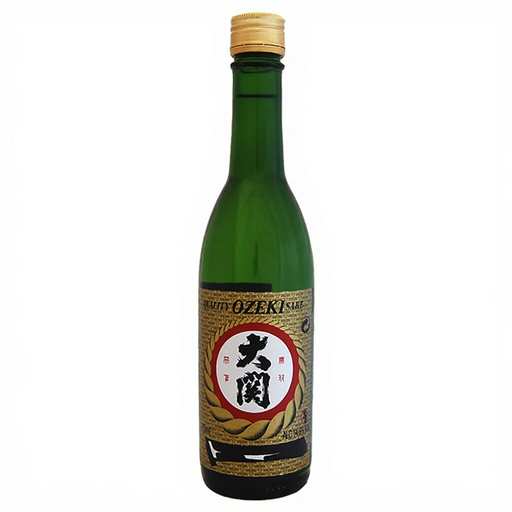
Why this fits the profile: If you’re after a more traditional Japanese drink rather than sweet fruit soju, this Junmai offers a different flavour profile for dinners and quiet tasting moments.
The product description lists rice, water and rice koji as ingredients and states 16% ABV. This makes the difference from flavoured soju much clearer.
375 ml, 16% ABV and, according to the product information, suitable for serving chilled, at room temperature or slightly warmed.
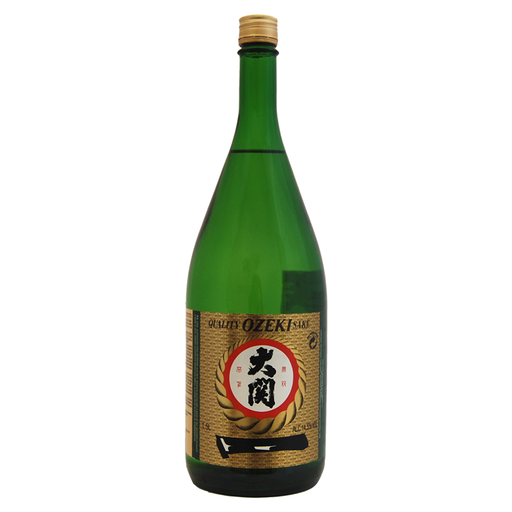
Why this fits the profile: The 1.5 litre size is practical for larger dinners, parties or keeping a steady supply for multiple serving occasions.
The large bottle means you won’t need multiple small bottles for a group. Just check your available storage space and serving method beforehand.
1.5 litre size and a Junmai profile based on rice, water and koji, suitable for serving during a dinner.
We’ve put together a full, up-to-date list of products that fully meet these strict selection criteria and comply with current European safety regulations.
A flavoured variety with 12% alcohol, such as apple soju, can be an easy introduction. Just check whether you’re looking for a sweet drink with flavourings or a more neutral soju. Serve chilled and start with a small amount.
Fruit soju often contains a base of alcohol or fermented fruit wine with fruit flavouring, sugar and sometimes sweeteners. Japanese sake is brewed from rice. A Junmai sake, according to the product information, contains rice, water and koji, and generally has a fuller, less fruity profile.
Keep the bottle tightly sealed, cool and out of direct sunlight. Always follow the instructions on the packaging. With cream liqueurs, such as coconut or hazelnut liqueur, the storage advice is especially important. Also check the best-before or use-by information on the label.
Yes. Many flavoured soju options, including lychee, mango, grape and yuzu varieties, are described in the product information as being served chilled, over ice or as a cocktail base. Bear in mind the sweetness and alcohol percentage before adding extra liqueur.
