
Vandaag of morgen in huis

Kwaliteit gegarandeerd

Welkomstaanbiedingen ontgrendelen: GRATIS bezorging | Tot 80% korting | Gratis 30 dagen JoyPlus-proefperiode
Download de app
Are you looking to buy konjac noodles as an alternative to pasta, rice or regular noodles? You'll quickly come across terms like shirataki, 0 kcal, keto and gluten-free. But these terms don't always tell you enough about the ingredients, preparation or taste.
A good choice starts not with the packaging, but with the label. Here are the common pitfalls to watch out for.
Konjac products are often made up largely of water and konjac fibre. This means the energy value can be low. However, the meal becomes heavier once you add a sauce, oil, coconut milk or a ready-made seasoning mix. For example, one pack of Nakaki 0kcal Konjac & Soy Ramen contains 2.0 grams of salt, according to the stated nutritional information.
So don't just look at the calories in the noodles themselves – also check:
The composition varies from product to product. City Aroma Shirataki Fine Noodles contains 1.7g of carbohydrates per 100g, according to the product information. A variety with starch, oats, sweet potato or rice flour can be noticeably different.
For example, the YuMei Wide Noodle with Chili Oil is made from sweet potato, potato and cassava starch. This 210g pack contains 22.8g of carbohydrates per 100g, according to the label. This product is therefore not the same as a pure konjac variety and won't automatically fit into a keto or low-carb diet.
Some shirataki noodles are made from water, konjac flour and calcium hydroxide. Other products contain soya, oats, milk powder or rice flour. What's more, for Hethstia products containing oats, the supplied information states that gluten must be listed as an allergen, despite a reference to gluten-free oats.
If you have a gluten intolerance or allergy, always check:
For a genuine low-carb noodle, look at the amount of carbohydrates per 100g. A simple base typically consists of:
Products containing starch, sugar, oats or milk powder will have a different nutritional profile. That's not necessarily a problem, but it's important that the composition matches your goals.
If you're looking for a low-calorie noodle, keto noodle or a noodle for weight loss, it's a good idea to assess the whole meal. Konjac on its own provides little energy, but a calorie-rich topping can make all the difference.
The shape determines how the noodles behave in a dish:
The preparation method varies. Some products are ready to use after a good rinse and a quick heat. Others need to be boiled for a few minutes. For example, Fishwell Shirataki Knots recommend 3 to 5 minutes of boiling, followed by rinsing with cold water.
A practical basic preparation:
Always follow the instructions on the pack. Several products state that they must be refrigerated after opening and used within two days. Do not use a pack if it is damaged. Nakaki's product information also notes that excessive consumption may cause digestive discomfort due to the high fibre content.
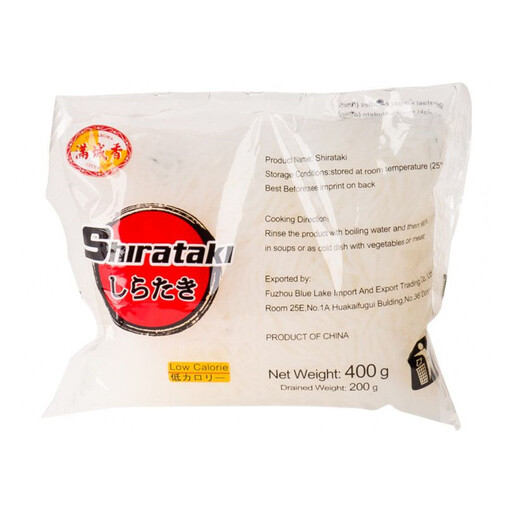
Why this fits the profile: These fine shirataki noodles have a neutral flavour and, according to the product information, are ready to use after rinsing and heating. That makes them a great introduction to konjac.
The ingredients list is short: water, konjac flour and calcium hydroxide. The nutritional information states 7 kcal and 1.7g of carbohydrates per 100g.
400g per pack, neutral flavour, fibre according to the product information, and none of the 14 major EU allergens listed.
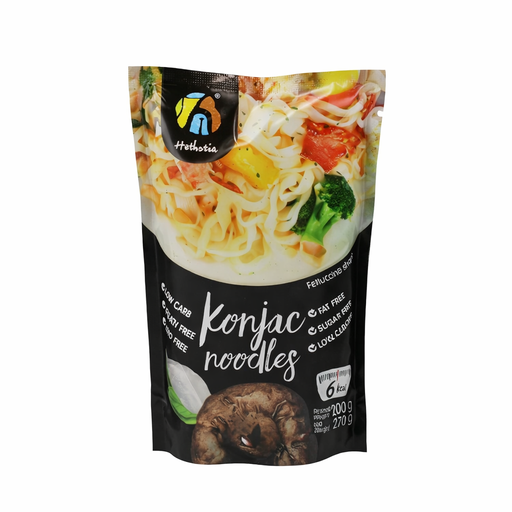
Why this fits the profile: The wide shape is designed for pasta dishes. According to the product description, the noodles are pre-cooked and pair well with tomato sauce, pesto, vegetables and plant-based protein sources.
The stated nutritional values are 6 kcal and 1.3g of carbohydrates per 100g. The ingredients and allergens are clearly listed; according to the product information, no allergens are declared.
Fettuccine shape, 270g, neutral flavour and quick preparation: rinse, heat briefly and combine with a sauce.
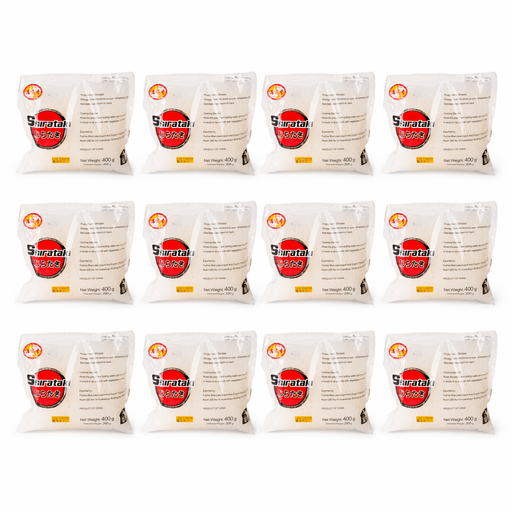
Why this fits the profile: The bundle is practical for households that regularly use noodles for stir-fries, soups, salads or pasta alternatives.
The bundle saves you from having to buy a new pack for every dish. Just check the best-before date and your storage space before choosing a multi-pack.
Twelve packs of 400g, fine shape, neutral flavour and, according to the product information, 7 kcal per 100g.
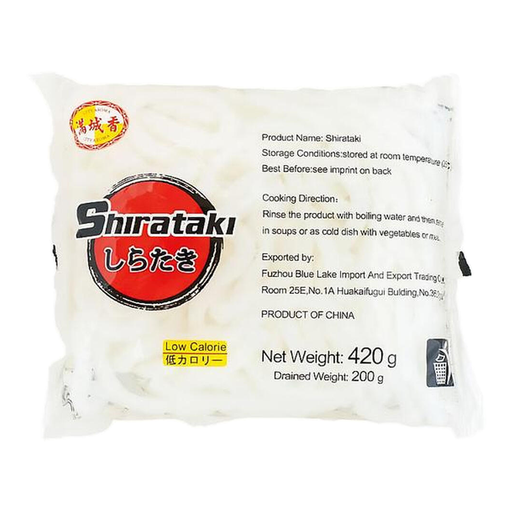
Why this fits the profile: The thicker udon shape is ideal for broth, stews, hotpot and hearty soups. The neutral flavour absorbs herbs and sauces well.
The product information states 9.5 kcal, 1.5g of carbohydrates and 0g of fat per 100g. This allows you to compare the nutritional values with those of other varieties.
400g, 54% konjac according to the product information, fat-free according to the label, and suitable for hot or cold use.
We've put together a full, up-to-date list of products that fully meet these strict selection criteria and comply with current European safety regulations.
Drain the liquid, rinse the noodles thoroughly and follow the instructions on the pack. A quick blanch or heat is usually enough. Then drain them well before adding your sauce. This prevents excess liquid from making your dish watery.
This varies by product. Unopened packs should generally be stored in a cool, dry place away from direct sunlight. After opening, some products recommend refrigerated storage and use within two days. Always check the current pack, especially for fresh or pre-cooked varieties.
Some pure konjac products fit into a low-carb or keto diet based on their stated nutritional values. This does not automatically apply to varieties with starch, oats, rice or sauce. You should also check the claim gluten-free noodles for each product by looking at the ingredients and allergens. This way, you can avoid choosing a product with oats or other additions that doesn't match your dietary needs.
