
Vandaag of morgen in huis

Kwaliteit gegarandeerd

Welkomstaanbiedingen ontgrendelen: GRATIS bezorging | Tot 80% korting | Gratis 30 dagen JoyPlus-proefperiode
Download de app
Do you want to buy konjac jelly as a low-calorie snack for on the go, after exercise, or as an alternative to sweets? Then don't just focus on the flavour or colourful packaging. The differences between konjac jelly, fruit jelly and other Japanese snacks lie mainly in the ingredients, nutritional values, portion size and how they're eaten.
A low energy value doesn't automatically mean a product fits every diet. So always check the label and watch out for the following common pitfalls.
A product can be sugar-free but still contain carbohydrates or sweeteners. So look at both the nutrition table and the ingredients list. Erythritol, sucralose, acesulfame-K and other sweeteners each have their own properties. With excessive consumption, some polyols can have a laxative effect. This is also stated on the packaging of various snack products.
If you're looking for a keto snack, it's wise not just to look at the front of the packaging. Check the amount of carbohydrates per portion and decide whether the composition fits within your own dietary pattern.
Some konjac jelly products list a very low energy value per portion, while others show the value per 100ml. This makes comparison difficult. So always note:
With Hethstia konjac jelly, for example, a portion of around 155g is stated. The product information mentions 3 to 7 kcal and 0g of sugar for different flavours. Always check the current label when purchasing, as product compositions and packaging can change.
Konjac jelly has a soft to elastic texture. This makes the snack different from a regular fruit gum or pudding. Some Japanese varieties are firmer and are squeezed from a pack. Eat slowly, follow the usage instructions and chew well. Don't give this type of snack carelessly to young children; always check the warnings on the packaging.
For a gluten-free snack, check that gluten-containing grains are absent and that there's no warning about cross-contamination. The Hethstia flavours in this selection list water, fruit concentrate, erythritol, konjac flour, carrageenan and acidity regulators as the main ingredients. The product information does not mention any allergens.
Pay extra attention to products with milk, soya, peanuts or sesame. The Be&Cheery Crispy Konjac Snack contains soya, sesame and wheat according to the ingredients list. This snack is therefore not suitable for everyone with an allergy or gluten avoidance.
Always compare the same unit. Hethstia Apple states 3 kcal per 100g, while Hethstia Green Grape and Orange state 7 kcal per 100g. Jelly B Mango states 3 kcal per 100ml and 0g of sugar per 100ml. These are figures from the supplied product information, not general properties of every konjac jelly.
A collagen jelly often contains collagen peptides as an ingredient. According to Hethstia's product information, these have been added to the green grape, mango, orange and passion fruit flavours, among others. Don't see collagen as a reason to automatically choose a product; first look at flavour, nutritional value and ingredients that are relevant to you.
An individual squeeze pouch is practical as a jelly snack for on the go, at the office or in your gym bag. After opening, Hethstia should be stored in the fridge according to the product information and consumed within two days. Store unopened products according to the instructions on the packaging, usually in a cool, dry place.
A multipack is handy when you regularly take a snack with you. The ORIHIRO Grape Konjac Jelly consists of six individually wrapped portions totalling 120g. The Hethstia All Flavours Set contains eight packs of 155g according to the product name, so you can compare several flavours.
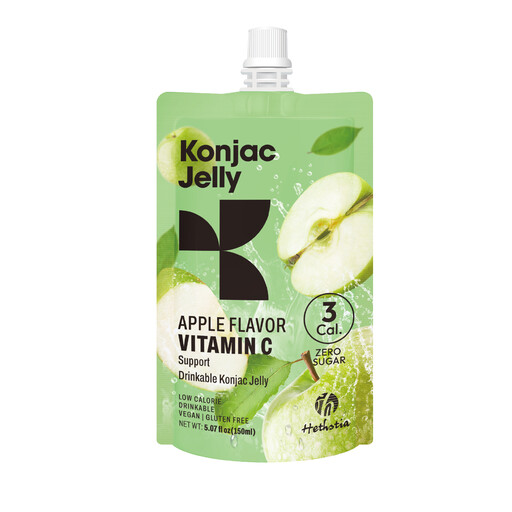
Why this fits the profile: The apple flavour is an accessible starting point for anyone trying konjac jelly for the first time. The individual pouch is ready to use straight away.
The product information states 3 kcal and 0g of sugar per 100g, allowing you to compare the nutritional value concretely.
155g per pouch, apple flavour, squeeze packaging and, according to the product information, gluten-free.
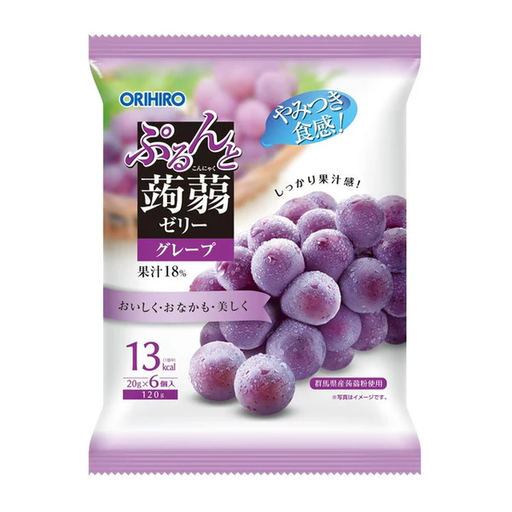
Why this fits the profile: Fans of Japanese snacks get six separate portions with a soft, elastic grape flavour.
The portions are individually wrapped and the nutritional information states 7 kcal per 100g; check the current packaging for the exact values.
Six pieces, grape flavour, handy for lunchbox or on the go, and no allergens mentioned in the product information.
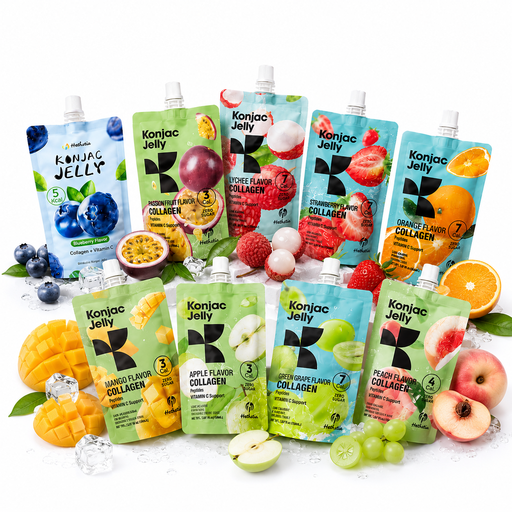
Why this fits the profile: If you often take a snack with you or want to alternate between several flavours, this set gives you eight packs of 155g.
A multipack reduces individual purchases and makes it easier to prepare portions in advance. Check the label for each flavour.
Eight pieces, multiple flavours and, according to the product name, collagen peptides in the variants.
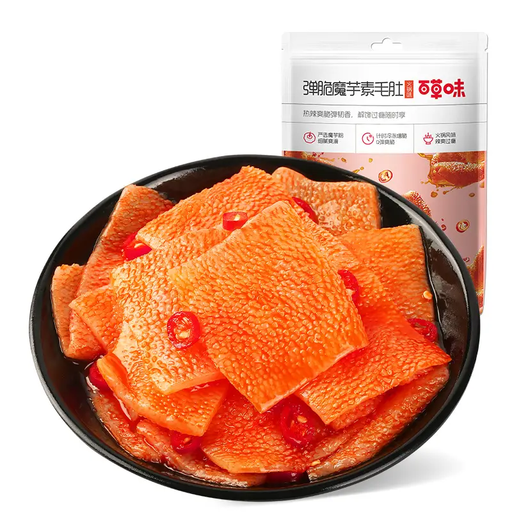
Why this fits the profile: This savoury konjac snack is designed for those who prefer spicy and crunchy over sweet fruit jelly.
The nutritional information states 685 kJ per 100g, plus 1,250mg of sodium; this shows that "low-calorie" isn't the same as low in salt.
120g, spicy hot pot flavour and a crispy, springy texture; contains soya, sesame and wheat according to the ingredients list.
We've put together a full, up-to-date list of products that fully meet these strict selection criteria and comply with current European safety regulations.
That depends on the product. In this selection, various Hethstia variants state 3 to 7 kcal per 100g and 0g of sugar. Other jelly products contain more carbohydrates or sugar. So compare the nutrition table per 100g or per portion.
Yes, individual squeeze pouches are practical for work, travel, school or the gym. Store unopened pouches according to the packaging. After opening, Hethstia should be stored in the fridge according to the product information and eaten within two days.
No. Some variants are offered as keto or gluten-free according to the product information, but always check the current ingredients and nutritional values. Sweeteners, sugar, milk, soya and gluten-containing grains in particular can vary from product to product.
