
Vandaag of morgen in huis

Kwaliteit gegarandeerd

Welkomstaanbiedingen ontgrendelen: GRATIS bezorging | Tot 80% korting | Gratis 30 dagen JoyPlus-proefperiode
Download de app
Looking to buy konjac jelly, but finding it hard to tell which pouch is right for you with terms like sugar-free, keto, collagen and vitamin C? The differences aren’t just about flavour. Nutritional value, sweeteners, packaging and shelf life all affect whether a low-calorie jelly snack is practical for you.
Look out for these three common pitfalls:
Start by comparing the nutritional information. For example, a Hethstia jelly lists 3 kcal per 100 grams/ml, while other varieties on the product page list 7 kcal per 100 grams/ml. Also check:
For a sugar-free konjac jelly, “sugar-free” is the relevant claim, but also check the total carbohydrate content. If you’re looking for a keto jelly, it’s worth checking the full nutritional information and ingredients list rather than relying on the front of the pack.
Konjac jelly typically contains water, konjac flour or konjac powder, and gelling agents such as carrageenan. Flavours may come from apple, mango, peach or grape concentrate. Sweeteners may include erythritol, sucralose or acesulfame-K.
If you have an allergy, always check the current packaging. Some varieties list no allergens, while yoghurt jelly contains milk ingredients. A gluten-free snack isn’t automatically suitable for every diet. “No added sugar” also means something different from “sugar-free”.
For varieties containing collagen or vitamin C, these are ingredients listed in the product composition. According to the product information, vitamin C is added to certain Hethstia varieties; collagen peptides are also listed for the green grape variety. Don’t treat these as a replacement for a varied diet.
A squeeze pouch of around 150 to 155 grams is handy for work, school, travelling or a walk. However, a single pouch isn’t the same as a konjac jelly multipack. A multipack often works out cheaper per portion and saves you from having to reorder as often, but check:
Most of the pouches mentioned are ready to eat. After opening, store them in the fridge and use them within two days, according to the product information. Always follow the instructions on the packaging and eat slowly, especially if the jelly has a firm or elastic texture.
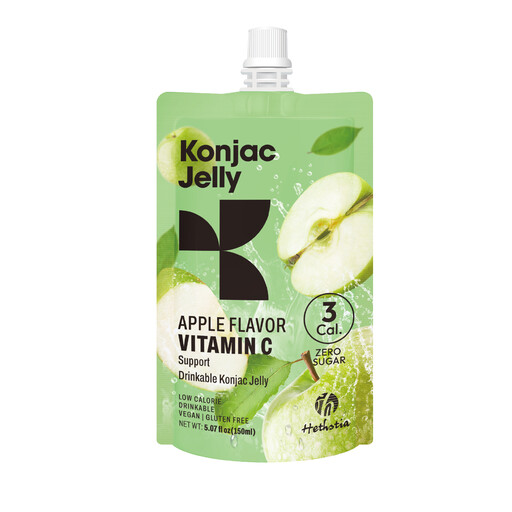
Why it suits this profile: A single pouch in apple flavour is an easy way to try konjac jelly without buying a large selection straight away.
The product page clearly states that this is one pouch. Ingredients and nutritional information are also listed, so you don’t have to rely on the front of the pack alone.
Apple flavour, 155 grams, 0 grams of fat and, according to the product information, 0 grams of sugar per 100 grams/ml. The pouch is ready to eat.
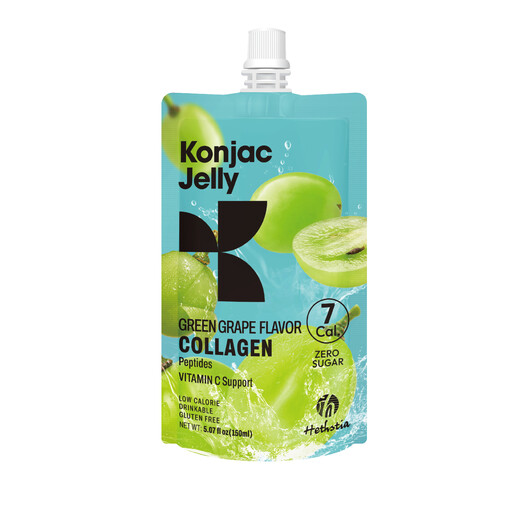
Why it suits this profile: This variety is worth considering if you look beyond flavour to additional ingredients and want to stock up for several occasions.
The product information lists both collagen peptides and vitamin C in the ingredients. Check the packaging when it arrives, as labels can change.
Green grape flavour, 155 grams per pouch, 0 grams of fat and a low energy value according to the product information. The description lists a pack of 10.
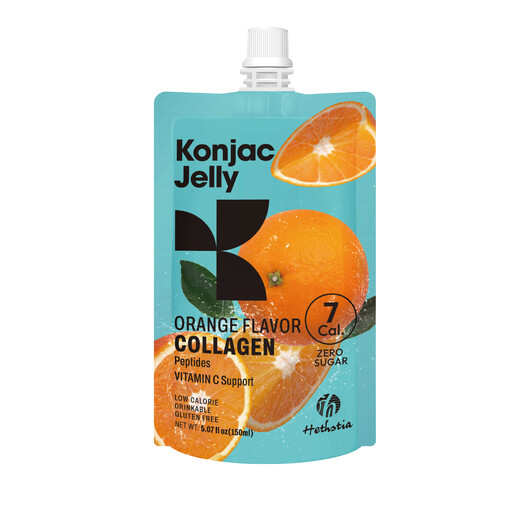
Why it suits this profile: A handy choice if you regularly take an individual snack to the office, the gym or when you’re out and about.
The product description lists 10 individually wrapped pouches. That means you can take portions with you in advance without having to store a large pack once it’s open.
Orange flavour, individual portions, 155 grams per pouch and 7 kcal per pouch according to the product information. The ingredients list includes collagen peptides and vitamin C.
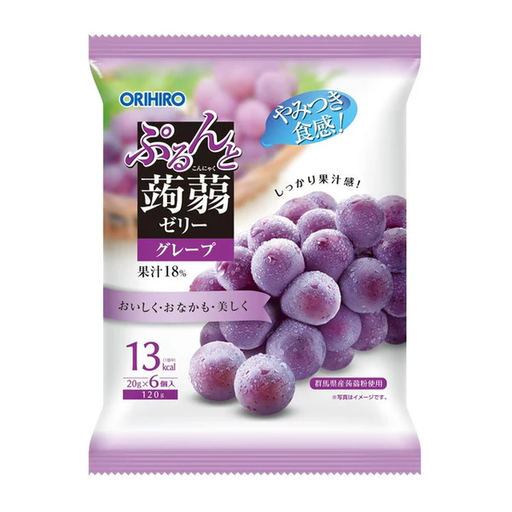
Why it suits this profile: The six individually wrapped portions are a good match if you’re after a classic fruit jelly snack with grape flavour and a soft yet firm texture.
The pack contains six individual pieces with a total weight of 120 grams. The product information also notes that the packaging or design may vary.
Six individually wrapped portions, grape flavour, 7 kcal per 100 grams according to the product information, with no allergens listed.
We’ve put together a complete, up-to-date list of products that meet these strict selection criteria and current European safety requirements.
That depends on the nutritional information. Some varieties list 0 grams of sugar and just 1 gram of carbohydrates per 100 grams/ml, while other products contain more carbohydrates or polyols. So check the exact packaging and work out the values for the full portion.
Follow the manufacturer’s instructions. Several of the Hethstia products mentioned say that an opened pouch should be refrigerated and used within two days. Store an unopened pouch in a cool, dry place unless the label gives different instructions.
Not always. Divide the total price by the number of pouches, then compare the price per 100 grams. A multipack can be handy for everyday use, but a single pouch is a better choice if you want to compare different flavours first.
