
Vandaag of morgen in huis

Kwaliteit gegarandeerd

Welkomstaanbiedingen ontgrendelen: GRATIS bezorging | Tot 80% korting | Gratis 30 dagen JoyPlus-proefperiode
Download de app
A konjac jelly is a soft, drinkable jelly snack in a handy pouch. Korean konjac jelly, in particular, is popular among people looking for a low-calorie snack, a sugar-free jelly snack, or a vegan jelly snack to take on the go. However, not all varieties are the same. The differences lie in sweeteners, nutritional values, portion size, and origin.
If you only look at terms like “light,” “natural,” or “keto,” you could end up choosing a product that doesn’t quite fit your dietary needs. Use the following checkpoints to compare flavours and packaging in a practical way.
A product can contain 0 grams of sugar but still list carbohydrates. This often happens because of sweeteners like erythritol, or the way the nutritional information is calculated. So, don’t just look at the front of the packaging; always check the table per 100 ml or 100 grams.
For example: Jelly B Konjac Jelly Mango states 0 grams of carbohydrates and 3 kcal per 100 ml. In contrast, Jelly B Konjac Jelly Peach states 5 grams of carbohydrates and 2 grams of sugar per 100 ml. Both products have a fruity flavour, but their nutritional values are not the same.
Konjac powder is plant-based, but the full ingredients list determines whether a snack fits a vegan diet. Always check the flavourings, colourings, and any dairy components. The Delief Konjac Jelly Mango (Vegan) 120g lists a plant-based composition and comes from South Korea.
“Produced in Korea” tells you about the origin, but not automatically about the nutritional value or taste. So, always compare the ingredients, portion size, and allergen information.
A low energy value can be appealing, but taste and texture are personal. Some varieties use erythritol, sucralose, or acesulfame-K. Others contain fruit juice concentrate or artificial flavours. If you’re after a fruitier taste, you could choose konjac jelly mango, konjac jelly lychee, peach, or watermelon. If you just want a quick snack break, one pouch of 120 to 155 grams might be enough.
Also, pay attention to the usage instructions. A jelly pouch is not a meal replacement. Eat it slowly, follow the warnings on the packaging, and be mindful of the firm, slippery texture, especially with children.
A 150 ml pouch contains more than the stated value per 100 ml. Here’s a simple way to calculate it:
These figures are based on the stated product information. Always check the label before purchase, as recipes and packaging can change.
Look at the ingredients list rather than just the flavour name. Konjac jelly can contain konjac powder, carrageenan, gellan gum, xanthan gum, citric acid, and various sweeteners.
A product with fruit juice concentrate doesn’t automatically mean it’s high in fruit. For example, Jelly B Konjac Jelly Lychee lists lychee juice concentrate alongside natural lychee flavouring. Jelly B Mango lists mango concentrate and mango flavouring. This gives a more realistic picture than the product image alone.
For a healthy snack on the go, a pouch is practical, but do check:
A multipack can be more convenient for regular use, while individual pouches are good for trying different flavours first.
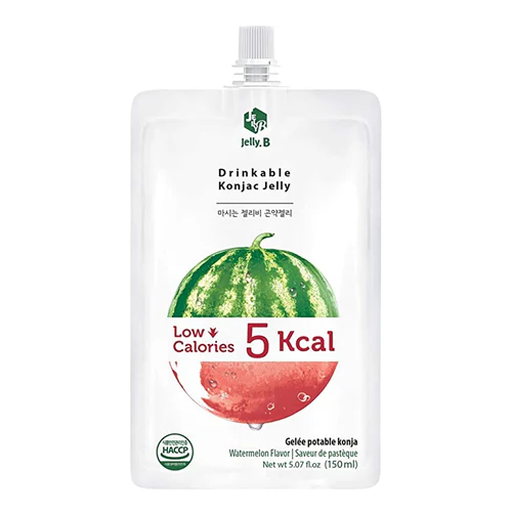
Why this fits the profile: A single 150 ml pouch is an easy way to try konjac jelly without committing to a multipack straight away.
The nutritional information states 1.6 kcal and 0 grams of sugar per 100 ml. This means you can easily calculate the portion instead of just relying on the front of the pack.
150 ml pouch, watermelon flavour, 0 grams of fat, and storage in a cool, dry place.
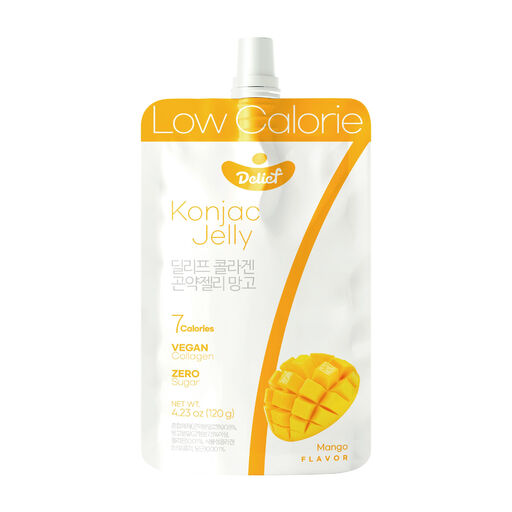
Why this fits the profile: This Korean mango variety appeals to vegans and consumers who carefully compare the ingredients list and nutritional value.
The product information explicitly states a vegan composition, 0 grams of sugar, and 4 kcal per 100 grams. Do check this against the label when you receive it.
120 g content, origin South Korea, mango as the main flavour, and none of the 14 major EU allergens according to the product data.
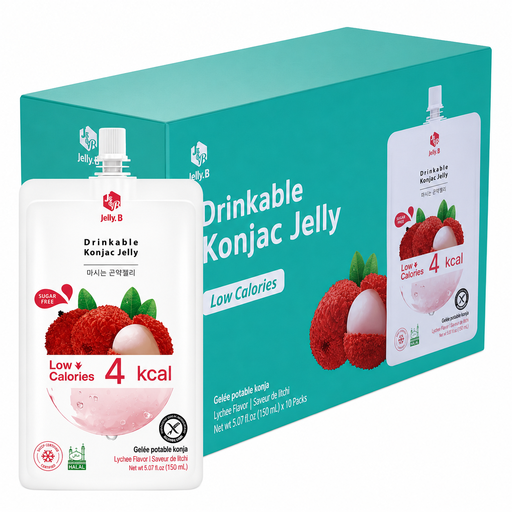
Why this fits the profile: A box of ten pouches is ideal for households, offices, or fans who want a steady supply of Korean snacks.
The multipack makes the total quantity clear. The nutritional value is 3 kcal and 0 grams of sugar per 100 grams, so you can estimate your intake per pouch.
Ten portions of 150 ml, lychee flavour, 0 grams of fat, and no allergens that need to be specifically flagged according to the product information.
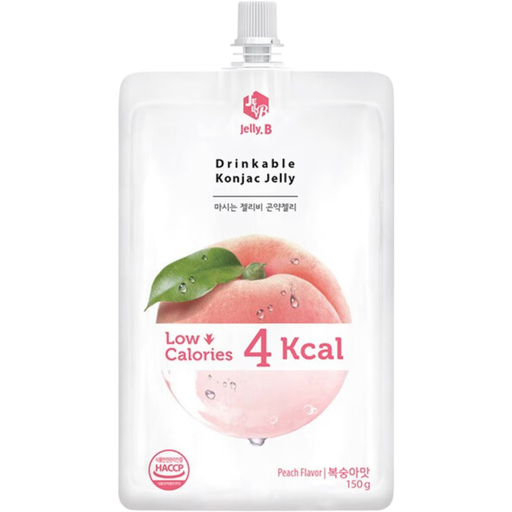
Why this fits the profile: The peach flavour and portable packaging are ideal for anyone looking for a fresh, sweet snack for work, study, or travel.
The product description states 10 kcal per 150 ml, but also 5 grams of carbohydrates per 100 ml and 2 grams of sugar. This prevents “low-calorie” from being mistaken for sugar-free.
150 ml pouch, peach flavour, 10 mg sodium per 100 ml, and according to the product data, none of the 14 major EU allergens.
We’ve put together a full, up-to-date list of products that fully meet these strict selection criteria and comply with current European safety regulations.
That depends on the nutritional value and the sweeteners used. Some varieties state 0 grams of sugar and few carbohydrates, but others do contain carbohydrates or sugar. So, check the table per pouch. A product description might say “keto-friendly”; treat this as information from the brand and compare it with your own dietary goals.
Always follow the instructions on the packaging. Unopened pouches are generally stored in a cool, dry place, away from sunlight and heat. Some products need to be refrigerated after opening and used within two days. Throw away a pouch if the packaging is damaged or the contents smell or taste unusual.
For a soft, fruity start, konjac jelly mango, konjac jelly lychee, and konjac jelly peach are common choices. Watermelon has a fresher taste. If you don’t want to buy a bulk supply straight away, you can start with a single 120 to 155 ml pouch and then choose a multipack of your favourite flavour.
