
Vandaag of morgen in huis

Kwaliteit gegarandeerd

Welkomstaanbiedingen ontgrendelen: GRATIS bezorging | Tot 80% korting | Gratis 30 dagen JoyPlus-proefperiode
Download de app
A good kitchen tool saves you time during food preparation, but the wrong purchase can soon end up at the back of a cupboard. When choosing kitchen cutting tools, it’s not just about a sharp blade or high wattage. The material, capacity, controls and cleaning requirements all play a part in whether a product suits your everyday needs.
A vegetable slicer with several attachments might look handy, but first check whether you’ll actually use them. Extra parts take up space and need to be cleaned individually. With a grater, vegetable slicer or multifunctional cutter, it’s also important to check how securely it sits on the worktop.
A more powerful electric chopper isn’t automatically suitable for every ingredient. Check the maximum capacity, blade type and recommended operating time too. The Bear Chopper QSJ-D03W5, for example, has a power rating of 300 W, a 2-litre bowl and two speeds. According to the product instructions, you should cut ingredients into pieces of around 2 cm first and avoid running the motor continuously for more than 30 seconds.
A blade may be sharp but difficult to clean. Look for removable parts, check whether they can be washed by hand or in the dishwasher, and consider how the blade is stored. Never immerse the motor unit of an electric chopper in water. Keep sharp knives, graters and cutting blades out of children’s reach.
For everyday use, stainless steel blades are practical because they can withstand contact with moisture and many types of food. Check which parts are actually made of stainless steel. With some products, only the blade is stainless steel, while the bowl, holder or casing is plastic.
A chef’s knife or kitchen knife should also have a handle that feels comfortable and secure in your hand. A smooth, sharp blade isn’t enough if the handle is difficult to grip with wet hands. Wash knives according to the product instructions and dry them after use; prolonged soaking can put strain on the handle and cutting edge.
Choose the capacity to suit the amount you usually prepare:
A larger bowl isn’t always more convenient. A mini chopper can be more efficient for small portions, while a meat grinder or meat slicer needs more workspace and a stable surface.
A manual chopper works without a cable and is easy to store, but it does require physical effort. An electric chopper can be quicker for larger quantities, but it needs a power socket and has a motor unit and operating limits to consider.
For a bread slicer or electric meat slicer, placement and storage are important too. Look for a stable base, safe on/off controls and an adjustable slicing thickness. According to the product information, the FRITEL SL 3110 has a slicing thickness of 0 to 15 mm, a serrated stainless steel blade and a foldable design.
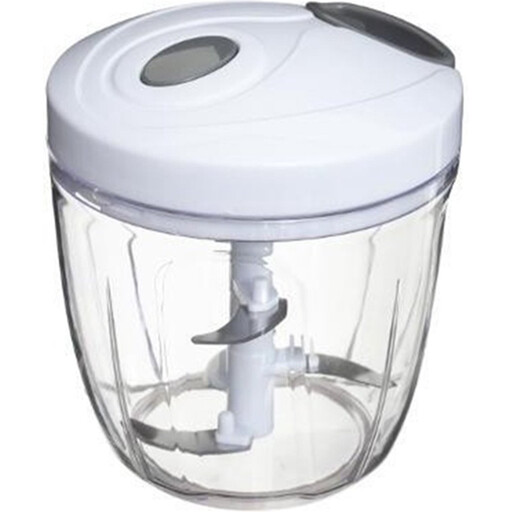
Why it suits this profile: This manual chopper is suitable for small portions and works without electricity. Its 900 ml capacity is well suited to everyday food preparation in a compact kitchen.
The specifications clearly state that it’s manually operated and give its capacity, so you won’t end up buying a motorised appliance for simple, small tasks.
900 ml capacity, five blades, removable blades and a non-slip base, according to the product information.
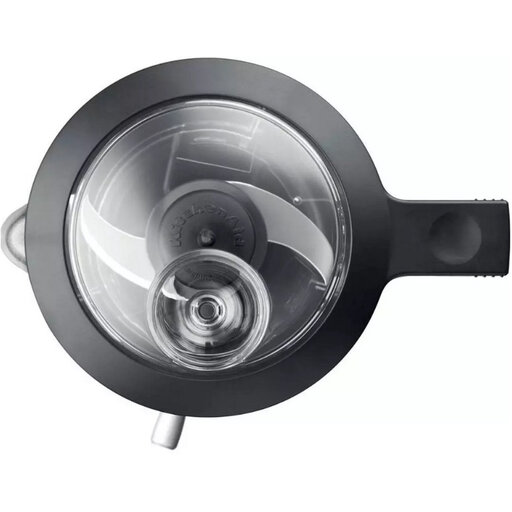
Why it suits this profile: A compact choice for anyone who values a well-known brand, multiple speed settings and an appliance that can stay on the worktop.
It has a capacity of 830 ml and no ice-crushing function, making its limitations clearer than general claims about versatility.
240 W, two speeds with a pulse function and a removable stainless steel blade, according to the product specifications.

Why it suits this profile: This bread slicer is designed to cut even slices of bread, cheese, cold meats, vegetables and fruit for home use.
The slicing thickness of 0–15 mm and blade diameter of 17 cm are clearly specified. This helps you check in advance whether it can cut slices to your preferred thickness.
Serrated stainless steel blade, removable carriage and foldable design, according to the product description.

Why it suits this profile: The 2-litre glass bowl is a good fit if you regularly prepare larger quantities of vegetables, herbs, nuts or meat.
The product information specifies a maximum operating time of 30 seconds at a time and recommends using short pulses. This helps prevent you from treating it as a chopper that can run continuously without limits.
2-litre capacity, 300 W, two speeds and 304 stainless steel blades, according to the product specifications.
For thin slices of vegetables, a vegetable slicer or spiraliser may be more practical than a kitchen knife. A cheese slicer is ideal for portioning cheese, while a four-sided grater is handy for cheese, carrots or nutmeg. If you regularly make minced meat or sausages, you could consider a meat grinder. Check which grinding plates, blades and accessories are included.
Kitchen scissors are useful for herbs, packaging and small cutting tasks. For meat and frozen rolls, a manual meat slicer is a specialist option. Only use these appliances with the ingredients and for the purposes specified in the product information.
We’ve put together a complete, up-to-date list of products that meet these strict selection criteria and the applicable European safety regulations.
It depends on what you prepare. A kitchen knife or chef’s knife can handle a wide range of tasks. If you often chop onions, herbs or vegetables, a manual or electric chopper can save time. Choose a capacity that suits your usual portions and check how the parts should be cleaned.
A manual chopper doesn’t use electricity and generally has fewer technical components. An electric model needs power, but may require less manual effort when you’re preparing larger quantities. When comparing models, look at power, operating time, capacity and cleaning requirements—not just the purchase price.
Its lifespan depends on the material, how often you use it and how well you maintain it. A stainless steel knife or grater should be cleaned after use and dried thoroughly. Use a kitchen knife on a suitable chopping board and avoid soaking it for long periods. Before buying, also check whether replacement blades or attachments are available.
