
Vandaag of morgen in huis

Kwaliteit gegarandeerd

Welkomstaanbiedingen ontgrendelen: GRATIS bezorging | Tot 80% korting | Gratis 30 dagen JoyPlus-proefperiode
Download de app
If you want to buy kitchen essentials online, you’ll quickly come across hundreds of bags, storage boxes, plates and instant meals. A low price or a catchy product name doesn’t tell you much about whether something is right for your kitchen. Instead, pay close attention to capacity, dimensions, material, closure and intended use.
This will help you avoid disappointments like bags that are too small for meal portions, disposable tableware that can’t handle hot food, or instant noodles with ingredients that don’t suit your diet.
A large pack may seem like good value, but first check the capacity per bag or container. A 1-litre freezer bag is fine for smaller portions, whereas for a family or large leftovers you might need a bigger size. Also, 120 small bags aren’t automatically more practical than 25 bags with a larger capacity.
So compare the price per bag and per litre. That way you can see whether a deal really matches how you’ll use it.
Not every resealable bag is designed for long-term storage at low temperatures. Check whether the product description explicitly mentions freezing, a freezer-safe material or use for food storage. For liquid items like soup or sauce, a sturdy closure is especially important.
Don’t overfill a bag. Leave some room for the contents to expand, and write the contents and date on the surface. This makes meal prep and kitchen storage much easier to manage.
Terms like “food-safe”, “biodegradable” or “leak-proof” should be backed up by verifiable details in the product information. Look at the material, the permitted uses and the instructions on the packaging. A product intended for cold dishes won’t necessarily be suitable for hot oil or an oven.
With food products, ingredients and allergens are at least as important as the flavour description. For example, Uni-President products list wheat and soya as allergens. Always check the current packaging, best-before date and preparation instructions.
For food storage bags, capacity and dimensions are key. A 1.5-litre bag can be handy for fruit, vegetables, meat or leftovers, while a 4.5-litre bag is better for larger quantities or organising your store cupboard. For smaller snacks or lunch components, a 1-litre bag may be enough.
Don’t just look at litres – consider the shape too. A wide bag can be easier to fill than a narrow one with the same nominal capacity.
A zip, press-seal or elastic band each serves a different purpose. A sturdy resealable bag is practical for the fridge, freezer and on the go. A disposable cling bag with an elastic band is mainly meant for temporarily covering a bowl, plate or container.
Also check whether the bag is described as reusable and dishwasher-safe. Toppits mentions this in its product information. That doesn’t mean every use is unlimited – follow the instructions on the packaging.
For disposable plates, the size matters, but so does the information about hot and cold food. The product name of the 23 cm bagasse plates states they can be used for both types of dishes, as well as picnics, birthdays and barbecues. The name also refers to biodegradable plates. Before buying, check the full product specifications and local waste disposal instructions.
For meal prep, stainless steel storage containers are another option alongside plastic bags. With a set, look at the number of containers, the capacity, the type of closure and whether an insulated bag is included.
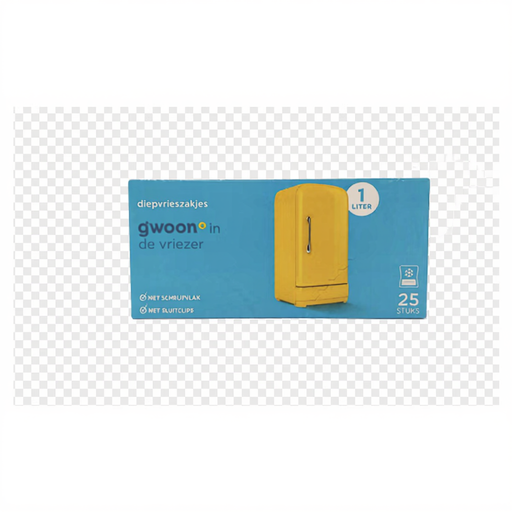
Why this fits the profile: The pack contains 25 bags of 1 litre each. That’s a manageable size for leftovers, meat or pre-portioned meals.
The capacity is clearly stated, so you’re not just relying on the number of bags.
25 bags, 1 litre per bag and a transparent design according to the product information.
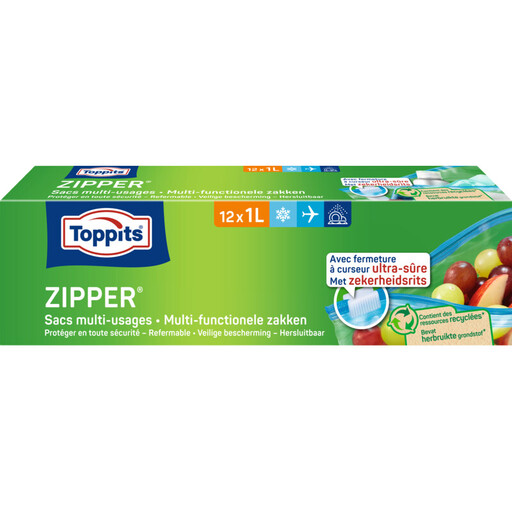
Why this fits the profile: Ideal if you want one bag for snacks, fridge items, marinades or taking food on the go.
The description explicitly mentions use for freezing, keeping fresh and marinating, plus reusability and dishwasher safety.
1-litre capacity, zip closure and reusable according to the product information.
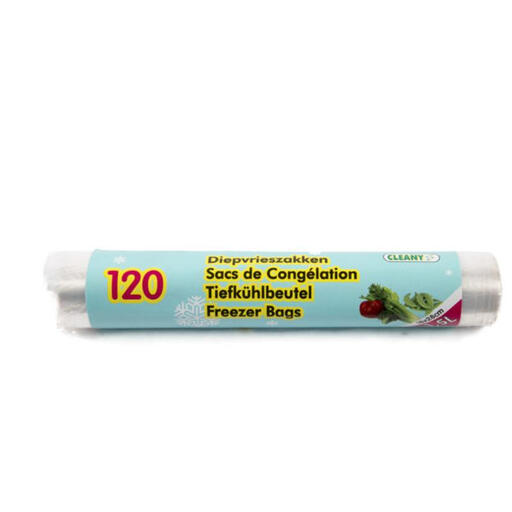
Why this fits the profile: A large stock of 120 bags suits families and regular meal prep.
The 1.5-litre capacity is larger than a standard lunch size and is specifically described for fridge and freezer use.
120 bags, 1.5 litres per bag and made in the Netherlands according to the product description.
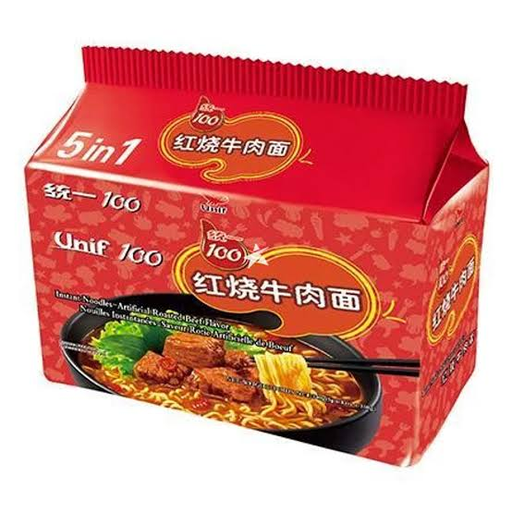
Why this fits the profile: The pack contains five portions and the product information states a preparation time of around five minutes.
The portion size, preparation method and allergens are listed. That makes comparing easier than relying on just the flavour name.
Five 100 g bags, dried vegetables in a separate sachet and preparation instructions on the product information.
We’ve put together a full, up-to-date list of products that fully meet these strict selection criteria and comply with current European safety regulations.
For a picnic or barbecue, you can combine freezer bags with 23 cm disposable plates. The product name of the bagasse plates states 50 pieces and use for hot and cold dishes. For a lunchbox, a stainless steel storage container set or resealable bags may be more practical.
Fans of Asian snacks can complement instant noodles with ready-to-eat marinated shiitake mushrooms. According to the product information from Zhou Hei Ya, these are ready to eat and suitable as a snack, side dish or addition to a lunchbox. Once opened, they should be kept refrigerated and consumed as soon as possible, as stated in the description.
Start with bags or storage containers in two sizes: a smaller size for portions and a larger size for leftovers or store-cupboard items. Also check whether the product is suitable for the freezer, fridge or microwave. Labelling with contents and date helps keep your kitchen storage organised.
That depends on the type of food, the temperature, the packaging and the closure. A freezer bag doesn’t extend shelf life indefinitely. Remove as much air as possible, seal the bag carefully and note the freezing date. Always follow the storage advice from the Food Standards Agency and the information on the packaging.
That varies by material and product. Check whether the product description explicitly mentions hot food, and don’t use the plate outside the stated application. With biodegradable plates, you should also check local waste disposal rules – the term doesn’t automatically tell you which waste stream the product belongs to.
