
Vandaag of morgen in huis

Kwaliteit gegarandeerd

Welkomstaanbiedingen ontgrendelen: GRATIS bezorging | Tot 80% korting | Gratis 30 dagen JoyPlus-proefperiode
Download de app
Want to buy kimchi, but not sure which pack, flavour or preparation style is right for you? Dutch online shops stock plenty of varieties, from napa cabbage kimchi and sliced kimchi to canned kimchi, stir-fried varieties and other Asian side dishes.
The differences aren’t just about heat. Ingredients, allergens, salt content, packaging and storage instructions also determine whether a product suits your household. Keep these points in mind to avoid buying a large jar you can’t use in time, or choosing a spicy variety that doesn’t go with your meal.
One Korean kimchi may be tangy and crisp, while another tastes sweeter, saltier or sharper. Fish, prawns, soya or wheat may also be added to the recipe. A product made with napa cabbage, chilli, garlic and ginger can taste very different from kimchi made with fish sauce, prawn paste or extra sugar.
So don’t rely on words such as “traditional” or “authentic”. Check the full ingredients list and look at the amount of chilli, sugar and salt.
Some packs can be stored unopened in a cool, dry place. Other products must be kept chilled at 0–4 °C, according to the label. This affects where you store the product and how soon you should use it after opening.
Also check that the packaging isn’t damaged, and always read the current instructions on the label. Information on a product page may differ from what’s on the packaging.
A 350 or 410 gram pack may seem appealing if you eat kimchi regularly. But if you only serve it as a side dish now and then, an 80, 100, 150 or 160 gram portion may be more practical. A smaller pack helps reduce waste and is handy for one or two meals.
Napa cabbage is often the main ingredient, but the recipe varies by brand. For example, according to the product information, DELIEF Sliced Napa Cabbage Kimchi 160 g contains 75.1% salted napa cabbage, along with red pepper, garlic, onion, spring onion and ginger. The product also contains flavour enhancer E621.
Allergens are clearly listed for some other varieties:
If you have an allergy or follow a vegan diet, always use the current packaging as your guide. “Vegan kimchi” isn’t a given: fish sauce, anchovies or prawns are used in several recipes.
Sliced kimchi is ready to serve and goes well with rice, noodles, ramen or stir-fries. A whole cabbage or a coarsely cut variety may have a different texture, but can take more preparation.
Also consider how it’s prepared:
Kimchi is often relatively high in salt because it’s brined. Compare the nutritional values per 100 grams. DELIEF Sliced Napa Cabbage Kimchi lists 1.5 grams of salt per 100 grams, while ChunYuFu Spicy Cabbage Kimchi lists 5.48 grams. That’s a clear difference if you eat several portions a week.
Also look at the sugar and oil content. Stir-fried kimchi may contain more calories than a simple napa cabbage kimchi because of the added oil. Use the nutrition table to check, rather than relying on the flavour description alone.
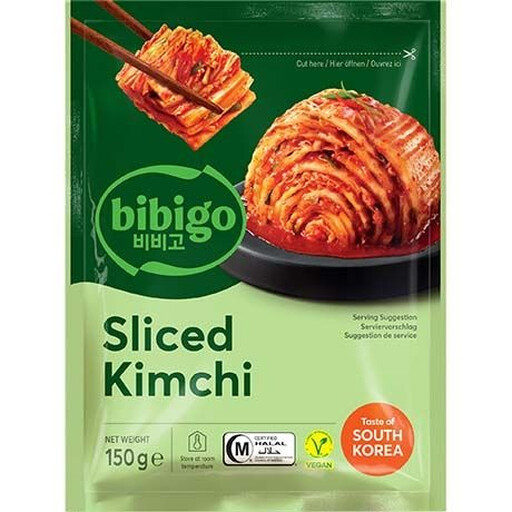
Why it suits this shopper: A compact portion for anyone wanting to try Korean kimchi without buying a large jar straight away. It’s sliced, making it practical to serve with rice, noodles and simple meals.
The 150 g pack helps reduce the risk of leftovers going unused. The product information also includes details for the 14 main EU allergens.
150 g; sliced napa cabbage; 44 kcal and 1.7 g of salt per 100 g, according to the listed nutritional values.
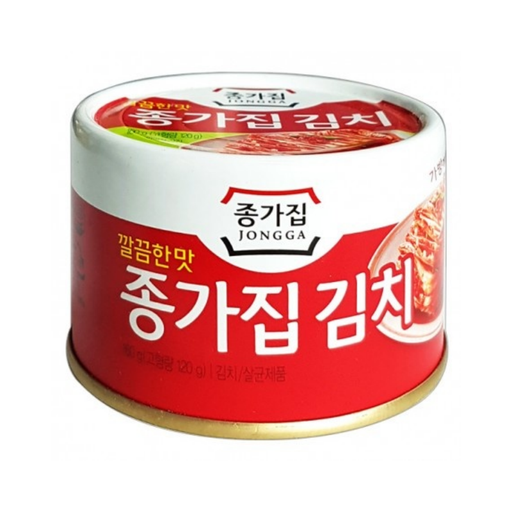
Why it suits this shopper: A good choice for anyone who enjoys a crisp texture and wants an easy-to-eat variety without having to cut up a whole cabbage.
The product information specifies the cut, texture and ingredients. This helps you choose based on the bite you’re looking for, rather than the marketing name alone.
160 g; cabbage and radish; 50 kcal per 100 g; contains fermented anchovy and prawn sauce, according to the product information.
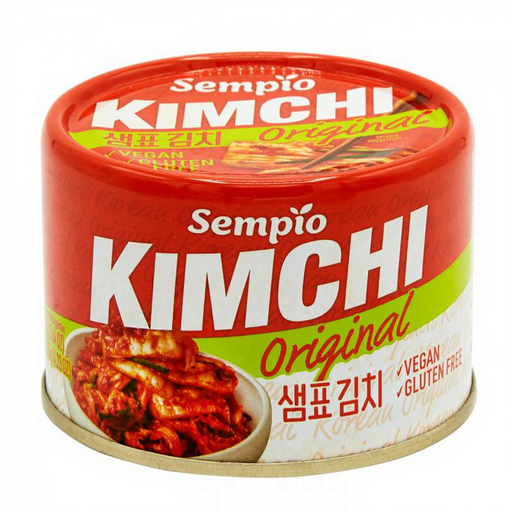
Why it suits this shopper: A canned option for the cupboard, workplace or travelling, when chilled storage isn’t readily available.
The can makes it easy to store. Once opened, check the instructions on the packaging and store the product according to the current label.
160 g; suitable as a side dish, topping or ingredient; the product information describes it as a vegan and gluten-free variety.
We’ve put together a complete, up-to-date list of products that meet these strict selection criteria and the applicable European safety regulations.
Kimchi isn’t just a traditional side dish. Serve a small portion with:
Warm kimchi briefly if you’d like a softer texture. Serve it straight from the pack if you want to keep it crisp. Stir-fried kimchi is already suitable for hot dishes, but according to the product information, it can also be served cold.
Choose a small pack of around 80 to 160 grams, check how spicy it is and read the allergen list. Sliced napa cabbage kimchi is usually easy to serve straight away with rice or noodles.
Shelf life varies by product and packaging. Check the date on the label and follow the storage instructions. According to the product information, an unopened ambient variety can be stored outside the fridge, while other kimchi needs to be kept chilled. After opening, it’s best to seal the pack securely and follow the manufacturer’s instructions.
No. Some varieties contain fish sauce, anchovies or prawns. Check the ingredients and allergens. Claims made by the brand or seller don’t replace the current label on the packaging.
