
Vandaag of morgen in huis

Kwaliteit gegarandeerd

Welkomstaanbiedingen ontgrendelen: GRATIS bezorging | Tot 80% korting | Gratis 30 dagen JoyPlus-proefperiode
Download de app
Buying kimchi might seem straightforward, until you have to choose between Korean kimchi, Chinese pickled vegetables, a tin or a ready-to-eat pack. The flavour can range from tangy and crunchy to intensely spicy and salty. The way you use it also differs: a small portion works well for a quick meal, while a larger pack is more convenient for stir-fries and family meals.
When making your choice, don’t just rely on words like “authentic” or “traditional”. On their own, these descriptions tell you very little about ingredients, allergens, salt content or storage method. Below are the key points to consider, along with a few products that suit different eating habits.
The packaging may say “Korean kimchi”, even though the product was made in another country. That doesn’t automatically make it unsuitable, but it is useful information if you’re looking for a specific origin. Always check the country of origin and the ingredients list.
Both types are available in the range. Bibigo Kimchi Ambient 150g and Jongga KR Chongga Mat Kimchi are offered as Korean products. OBAP Korean Kimchi 200G and CHUNYU PALACE Tasty Kimchi 100g are examples of kimchi produced in China. The flavour and composition can therefore differ.
Spicy kimchi often contains red pepper, garlic, ginger and sometimes sugar or syrup. The intensity depends not only on the amount of pepper, but also on the levels of acid, salt and sweetness. If you want to start with something mild, it’s better to buy a small pack rather than a large multipack straight away.
Also check for allergens. Some varieties contain soya, fish, anchovies, shellfish or mustard. According to the product information, Bibigo does not list any of the 14 major EU allergens, whereas Jongga KR Chongga Mat Kimchi contains shellfish. Always read the current label; product information and packaging can change.
Kimchi in a tin or ambient pack can be stored outside the fridge before opening, according to the product information. After opening, different instructions usually apply. Some products must be kept refrigerated and consumed quickly. Check the date, packaging and storage instructions before you order.
A tin is practical for a store cupboard, student kitchen or holiday home. A pouch or jar can be more convenient if you use kimchi regularly and want to add larger portions to rice, soup or noodles.
First, look at the main ingredient. For many Korean kimchis, the base consists of salted Chinese cabbage, radish, red pepper, garlic, onion and ginger. The proportions vary from product to product. OBAP, for example, lists 76.5% cabbage, while Bibigo contains 63% salted Chinese cabbage according to the product description.
Also look out for:
If you eat a vegan diet, you need to check extra carefully. According to the product information, KR CHONGGA Roasted Kimchi is not listed as vegan. Sempio Canned Kimchi Original, on the other hand, is described as vegan and gluten-free, but always check the current label at the time of purchase.
Pickled products often contain relatively high levels of salt. So compare the nutritional values per 100g, not just the portion size. In the product information provided, the salt content varies widely: A+ + Vegetables Kimchi lists 1.6g per 100g, while Jixiangju Open-Flavor Pickled Mustard lists 6.5g per 100g.
That difference is noticeable in practice when cooking. A salty pickled vegetable can already season a dish, meaning you need less extra soya sauce or salt. For Chinese pickled cabbage or mustard greens, rinsing or squeezing them out according to the preparation instructions can help adjust the flavour.
Small packs of 100 to 160g are suitable if you want to try kimchi for the first time or only serve it occasionally as a side dish. Larger packs, such as Wang Kimchi Ambient 410g or YUNSHANBAN Snow Vegetable 464g, are better for regular use.
Choose based on how you plan to use it:
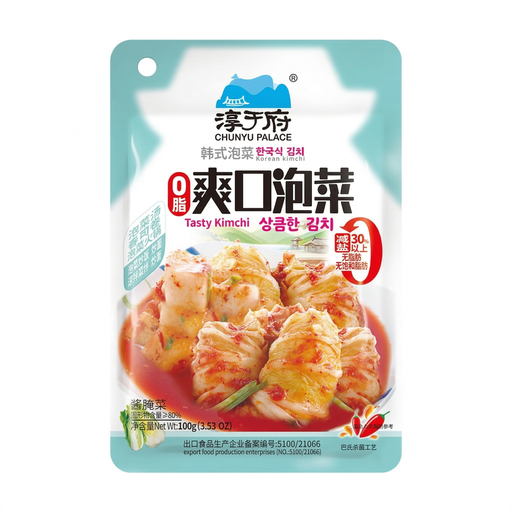
Why this fits the profile: The 100g pack is manageable for anyone trying kimchi for the first time or looking for small portions to go with rice and noodles.
The small net weight limits waste when you’re not sure how much you’ll use. The product information also states the presence of soya and fish as allergens.
Ready to eat, 100g and suitable as a side dish with porridge, rice and noodles.
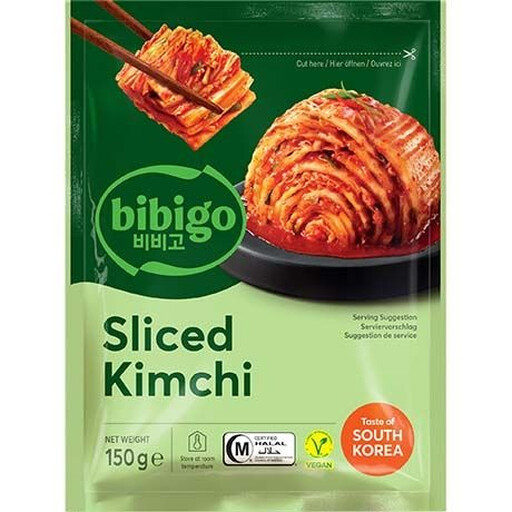
Why this fits the profile: This pre-cut Korean kimchi is designed for serving straight away and can also be used in hot dishes such as fried rice or soup.
The ingredients, nutritional values and allergens are clearly listed in the product information. The stated origin and storage method make comparison easier.
150g, pre-cut, ambient and, according to the product information, free from the 14 major EU allergens.
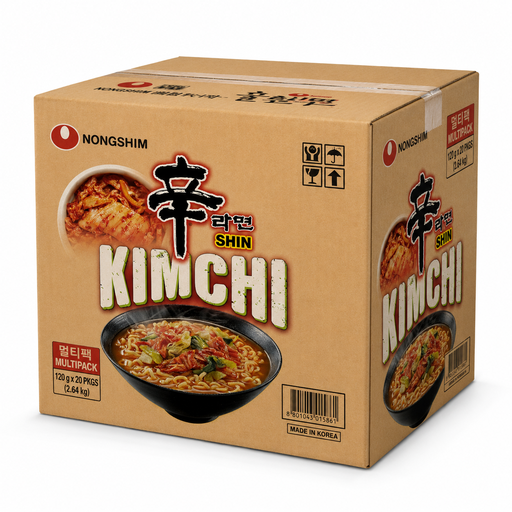
Why this fits the profile: The multipack is aimed at those who often make quick meals or snacks and want to keep a stock of kimchi noodles.
The packaging and portions are clear in advance. However, do note the listed allergens: gluten, soya, fish and mustard.
20 packs of 120g, with vegetable flakes and easy preparation for busy days.
We’ve put together a full, up-to-date list of products that fully meet these strict selection criteria and comply with current European safety regulations.
Serve kimchi as a small side dish with rice, a fried egg or grilled chicken. For a quick lunch, you can mix it with noodles and a little sesame oil. Spicy kimchi also works well in fried rice, soup or a wrap. Chinese pickled vegetables, such as snow vegetable or pickled mustard greens, go nicely with congee, dumplings and stir-fries.
With very salty products, try a small amount first. Liu Bi Ju Pickled Cabbage Shredded 500g, for example, states that rinsing before cooking can help reduce the saltiness. Then use the product according to the instructions on the pack.
No. The heat level varies by brand and recipe. Red pepper is common, but the amount and combination with sugar, acid and salt determine the final flavour. Start with a small pack if you don’t have much experience with spicy kimchi.
The unopened shelf life is stated on the packaging. After opening, you must follow the specific storage instructions. Some products need to be kept refrigerated and eaten quickly. A tin or ambient pack is practical before opening, but always check what applies after opening.
Kimchi is typically a Korean vegetable product made with Chinese cabbage, red pepper, garlic and ginger, among other ingredients. Chinese pickled vegetables include several types, such as pickled mustard greens, snow vegetable and pickled cabbage. They can be less spicy, but often taste salty and sour. The right choice depends on the dish and the texture you’re after.
