
Vandaag of morgen in huis

Kwaliteit gegarandeerd

Welkomstaanbiedingen ontgrendelen: GRATIS bezorging | Tot 80% korting | Gratis 30 dagen JoyPlus-proefperiode
Download de app
A dead battery always happens unexpectedly. On a cold morning, just when you're in a hurry, or in a remote parking lot. Waiting for roadside assistance is an option, but self-reliance provides peace of mind. A portable jump starter is the solution. It allows you to start a car with a dead battery in minutes, without the help of another vehicle.
However, the market is flooded with models that promise the world. As a Joybuy Product Recommendation Officer, I'm here to help you see through the marketing jargon and avoid a bad purchase. Pay close attention to the following pitfalls.
To make a good choice, focus on the specifications that truly matter. These are the three most important factors to check before you buy a jump starter.
The required cranking power depends on your engine. A diesel engine requires significantly more power than a gasoline engine of the same size, especially in cold weather.
Always check the manufacturer's specified maximum engine displacement (in liters) for both gasoline and diesel.
A portable jump starter is more than just a starting aid. Most models are also a power bank with jumper cables.
This is a non-negotiable point. A good car battery starter must come with 'smart' jumper cables with built-in safety features.
Based on these criteria, we have made a selection that suits different user profiles.
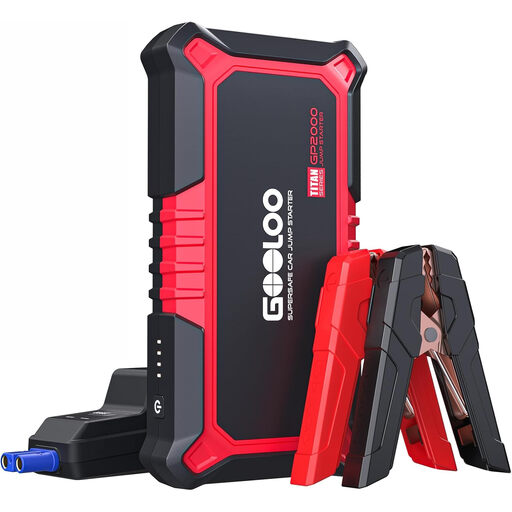
Why This Fits Their Persona: Perfect for most car owners with a standard gasoline or mid-size diesel car. This model is affordable, reliable, and powerful enough for the most common situations, without unnecessary frills.
This model offers a realistic peak power of 2000A with clear specifications (up to 8.0L gas/6.0L diesel), unlike models with exaggerated claims. The smart cable with 10 protections prevents the risks of cheaper, unsafe alternatives.
Excellent value for money. Compact and lightweight, it fits easily in the glove compartment. Equipped with all essential safety features.
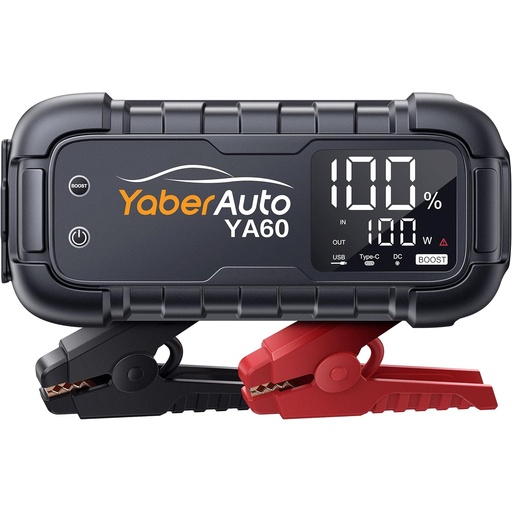
Why This Fits Their Persona: Ideal for owners of large diesel cars, RVs, vans, or boats. This profile needs absolute certainty and power to start a heavy-duty engine under any circumstances.
Delivers a very high peak power (8000A) that is genuinely suitable for large engines (up to 12.0L diesel). The 65W fast charging feature makes good on the 'power bank' claim by fully charging the device itself in 1.5 hours and also powering laptops.
Extremely powerful with 65W two-way fast charging. The 150W DC output can even power devices like a tire inflator or a portable cooler.
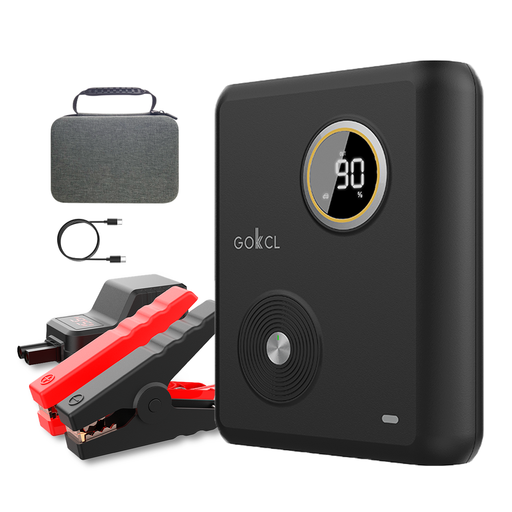
Why This Fits Their Persona: For those seeking the latest technology, minimal maintenance, and maximum durability. Perfect for leaving permanently in the car without worrying about charging or extreme temperatures.
Tackles the 'maintenance trap'. Where lithium jump starters need to be recharged every 3-6 months, this sodium-ion model has a manufacturer-claimed standby time of up to 5 years. Its performance is stable, even in extreme cold or heat.
Innovative sodium-ion technology with an extremely long standby time and lifespan (6,000+ cycles according to the manufacturer). Operates in a wide temperature range (-40°C to 80°C).
We have compiled a complete, up-to-date list of products that meet these strict selection criteria and safety regulations.
Most lithium-ion jump starters should be charged every 3 to 6 months to keep the battery in good condition, even if you don't use it. Always consult the manufacturer's manual for your specific model. Newer technologies, like sodium-ion, have a much longer standby time.
Yes, you certainly can. However, it is crucial that you choose a model with sufficient peak power (Amps) for your specific diesel engine. Diesel engines have higher compression and require significantly more power to start than gasoline engines, especially in cold weather. Check the jump starter's specifications to see if it is suitable for your diesel's engine displacement.
A modern, high-quality jump starter is safe for your car's electronics. Always choose a model with 'smart' jumper cables equipped with multiple protections, such as reverse polarity, short circuit, and over-voltage protection. These systems prevent damage from an incorrect connection and ensure you can use the car jump starter safely.
