
Vandaag of morgen in huis

Kwaliteit gegarandeerd

Welkomstaanbiedingen ontgrendelen: GRATIS bezorging | Tot 80% korting | Gratis 30 dagen JoyPlus-proefperiode
Download de app
Whether it's fresh orange juice for breakfast or a vegetable juice for a midday boost, the right juicer makes it effortless. But the search for the perfect appliance can be frustrating. The market is flooded with models promising the world. As a Joybuy Product Recommendation Officer, I'll help you cut through the marketing jargon and make a choice that fits your needs, without overspending.
Before you buy a juicer, it's important to recognise a few common pitfalls.
centrifugal juicer is ideal for hard fruit, while a slow juicer performs better with leafy greens. The wrong choice leads to a low juice yield and frustration.electric citrus press, this is completely excessive and a waste of energy. The power should match the type of juicer and what you intend to press with it.To avoid a bad purchase, it's wise to check three technical aspects. These determine whether a juicer is suitable for your requirements.
The technology behind the juicer is the most important factor. Each type has its own specialty.
electric citrus press is a practical choice for those who want to enjoy a fresh glass of juice daily without much hassle.A durable and easy-to-clean appliance will be used more often.
These specifications determine the speed and convenience.
vegetables and fruit needs more power (from 700W) than a slow juicer (150-250W) or a citrus press (25-160W). Match the power to the type and your intended use.Below are a few models that suit different user profiles, based on their objective specifications.
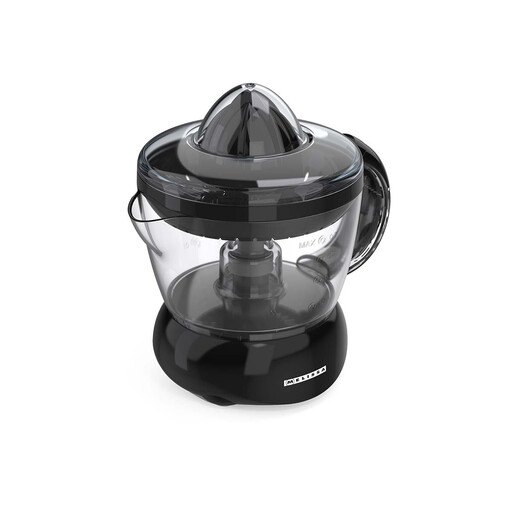
Why This Fits Their Persona: Ideal for those who want a quick glass of orange or lemon juice daily without a complex appliance. This model is compact, straightforward, and does exactly what it's designed for.
This is a dedicated citrus press. You're not paying for a "do-it-all" machine you don't need. The dishwasher-safe parts and simple design prevent the cleaning nightmare.
Two press cones: Suitable for both small (lime) and large (orange) citrus fruits. Compact: Takes up minimal counter space.
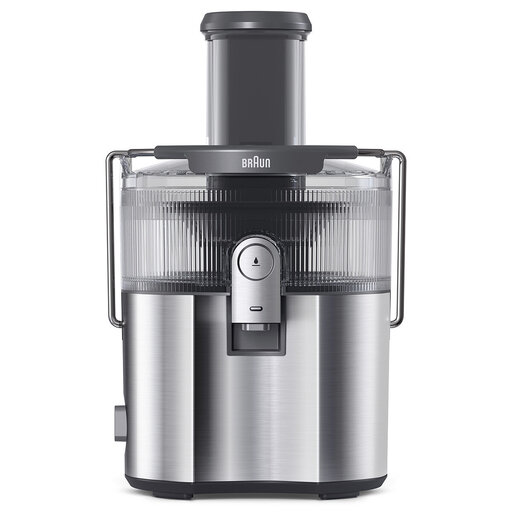
Why This Fits Their Persona: Perfect for families who need to make large batches of juice from hard fruits and vegetables quickly. Its powerful motor and large capacity make it a kitchen workhorse.
The high 1000W power rating is functional here, not just a marketing gimmick. It's necessary for efficiently processing hard vegetables. The dishwasher-safe parts keep cleaning manageable.
Powerful motor (1000W): Processes hard fruits and vegetables effortlessly. Large capacity: A 2-litre pulp container means you can juice longer without stopping.
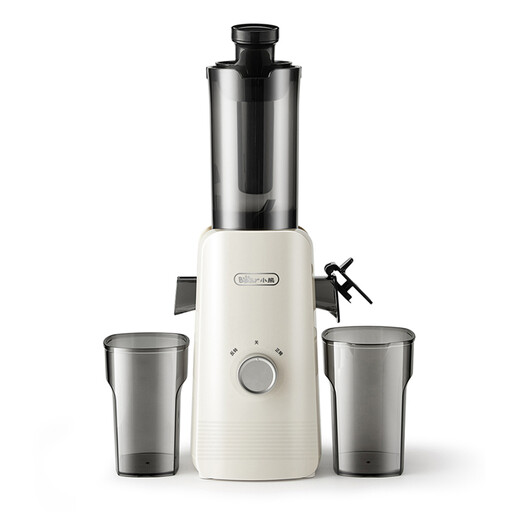
Why This Fits Their Persona: For the user who wants the highest possible juice yield, even from leafy greens. This `cold press juicer` operates slowly and quietly, fitting a health-conscious lifestyle.
This model bypasses the "do-it-all" myth by excelling at its specialty: achieving a high juice yield from a wide range of ingredients, including difficult leafy greens.
High juice yield: The slow-press technique extracts more juice from produce. Wide feed chute (80 mm): Requires less prep work, saving you time.
We have compiled a complete, up-to-date list of products that fully meet these strict selection criteria and safety regulations.
The golden rule is: clean it immediately after use. Rinse the parts under the tap right away to prevent pulp and sugars from drying and caking on. Use a brush for the sieve. Check if the parts are dishwasher-safe; this saves a lot of time.
A centrifugal juicer quickly produces a clear, thin juice that can sometimes be a bit foamy due to the high speed. A slow juicer often yields a thicker, more homogenous juice that retains more fibre. According to slow juicer manufacturers, their technique leads to less oxidation, which means the juice stays fresh longer.
Not effectively. A slow juicer is the best choice for fibrous ingredients like ginger and leafy greens such as spinach or kale. Its pressing mechanism can handle the fibres well and extracts a high juice yield. A centrifugal juicer struggles much more with these; the yield is often low, and much of the produce goes to waste.
