
Vandaag of morgen in huis

Kwaliteit gegarandeerd

Welkomstaanbiedingen ontgrendelen: GRATIS bezorging | Tot 80% korting | Gratis 30 dagen JoyPlus-proefperiode
Download de app
A glass of freshly squeezed juice in the morning sounds like the perfect start to the day. For many, the reality is different: an expensive juicer gathering dust in the cupboard after just a few uses. The reason? You often fall for marketing traps that make a device impractical for daily use. As a Joybuy Product Recommendation Officer, I'll help you see through the hype so you can choose a juicer you'll actually use.
Before you buy a juicer, watch out for these common pitfalls:
The term juicer is an umbrella term for different types of machines. The type determines what kind of juice you can make and how the process works.
Centrifugal Juicer: This type works with a fast-spinning grater that flings fruits and vegetables against a sieve.
Slow Juicer: This machine slowly crushes and presses the juice from produce using an auger.
Citrus Press: Specifically designed for juicing citrus fruits like oranges, lemons, and grapefruits.
Two specifications determine whether your new juicer will be an asset or a burden:
To help you choose, we've matched some popular models to different user profiles.
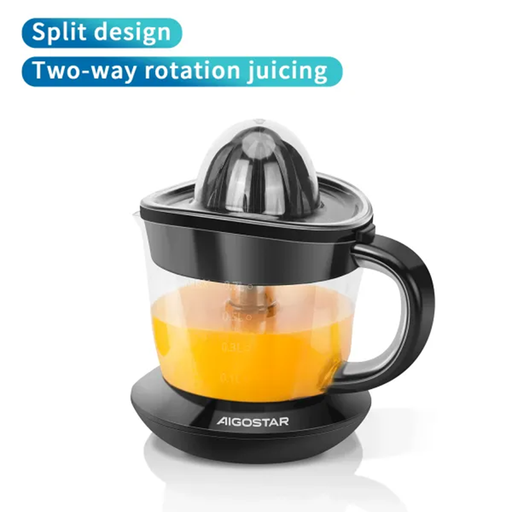
Why This Fits Their Persona: Ideal for those who want a fresh glass of orange or lemon juice daily without any hassle. No complex features, just a simple and affordable electric citrus press that does what it's supposed to do.
This is a pure citrus press. It avoids the "one-size-fits-all" pitfall, making it extremely easy to clean. The detachable parts and simple design counter the "hard to clean" myth.
Comes with two reamers for different sizes of citrus fruits. The two-way rotation ensures maximum juice extraction.
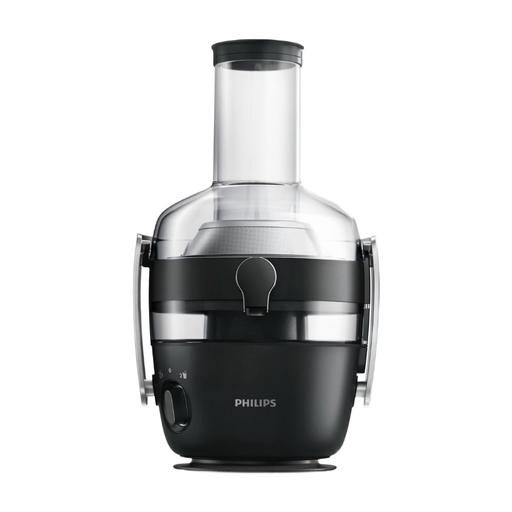
Why This Fits Their Persona: For families who want to make large quantities of juice quickly from both hard and soft ingredients. The extra-large 8 cm feed chute saves on prep time, and the powerful motor processes everything effortlessly.
This Philips juicer tackles the cleaning problem head-on with a pre-rinse function and a polished sieve that you can wipe clean with a sponge. The FiberBoost technology lets you choose the texture, which bypasses the "one-size-fits-all" pitfall.
The 8 cm XXL feed chute is a major advantage. Additionally, the integrated drip-stop ensures a clean countertop.
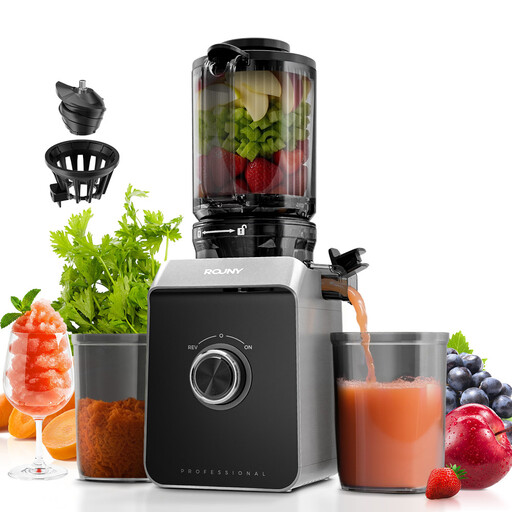
Why This Fits Their Persona: Perfect for the health-conscious user seeking the highest juice quality and yield. As a slow juicer, this model is ideal for juicing a wide range of ingredients, including leafy greens.
The filter-free design is a direct solution to the biggest cleaning problem with juicers: the clogged sieve. Rinsing under the tap is often sufficient. The massive 130 mm feed chute makes pre-cutting almost unnecessary.
The machine can also make ice cream from frozen fruit, which is a versatile bonus feature. The pure copper motor guarantees stable performance and a longer lifespan.
We have compiled a complete, up-to-date list of products that fully meet these strict selection criteria and UK safety regulations.
The golden rule is: immediately after use. Don't wait for the pulp and sugars to dry. Disassemble the parts and rinse them under warm water. Use the included brush for the sieve. When buying, choose a model with dishwasher-safe parts and a simple design, like a slow juicer without a filter or a simple citrus press.
A centrifugal juicer works quickly and produces a lighter, sometimes foamier juice. A slow juicer presses slowly, which, according to manufacturers, results in a fuller, more homogeneous juice with less foam and a higher yield, especially with leafy greens. The choice depends on your personal preference and the ingredients you use most often.
Generally, no. Most centrifugal and slow juicers are not designed to process hard, frozen material; this can damage the motor or the auger. Some specific slow juicers, like the ROUNY model above, have a special function to make a sorbet-like ice cream from slightly thawed, frozen fruit. Always check the manual for your specific model.
