
Vandaag of morgen in huis

Kwaliteit gegarandeerd

Welkomstaanbiedingen ontgrendelen: GRATIS bezorging | Tot 80% korting | Gratis 30 dagen JoyPlus-proefperiode
Download de app
When you’re looking to buy juice, the choice can feel overwhelming: from classic apple juice and orange juice to tomato juice, prune juice and Asian drinks with aloe vera. Yet an eye-catching pack tells you very little about what’s actually inside. If you only focus on flavour or a tempting deal, you could end up with a drink that’s too sweet, doesn’t suit how you’ll use it, or sits in the fridge too long after opening.
With this practical buying guide, you can compare juice on the points that really matter: ingredients, nutritional values, size and storage advice.
A fruit juice with no added sugar can still contain naturally occurring sugars. For example, Huiyuan apple juice lists 10.2 grams of sugar per 100 ml. According to the product information, the ingredients are water and concentrated apple juice. That doesn’t make it a sugar-free drink, but it is an option with no added sugar based on the stated composition.
So always check:
A 500 ml bottle is handy for on the go, but less practical if several people are drinking juice at home. On the other hand, a large-format juice can take up unnecessary space if you only have a glass now and then. Think about the number of people, how often you’ll drink it, and how long it keeps after opening.
With several aloe vera drinks, the difference is significant: some packs contain a single 500 ml bottle, while others come as a box of 20.
“Fresh”, “natural” or “refreshing” doesn’t automatically tell you about the nutritional value or how it’s made. Check the ingredients and the nutrition table. A product may contain fruit pulp, sweeteners, acidity regulators or preservatives. With international drinks, the ingredients and flavour profiles can also differ from standard Dutch fruit juice.
Look out for terms like juice from concentrate, “100% juice” or “fruit juice drink”. These are different product descriptions. A product made from concentrate can still have a clear fruit flavour, but it’s put together differently from freshly pressed juice.
Examples:
If you’re specifically looking for fresh and natural drinks, it’s worth checking the full ingredients list rather than just the front of the pack.
Always compare per 100 ml, not just per bottle. That way, you can fairly compare apple juice, tomato juice and aloe vera drink. Tomato juice generally contains less sugar than fruit juice, but it may contain salt. For example, the product information for g’woon Tomato Juice states 0.55 grams of salt per 100 ml.
With an organic prune juice like Zonnatura, it’s not just the organic label that matters, but also the nutritional value: 81 kcal and 14 grams of sugar per 100 ml according to the stated table. So organic doesn’t automatically mean low in sugar.
A litre carton works well for breakfast or family use. Small bottles are easier to take with you. Always check the label on arrival for the actual best-before date and storage advice. Many products need to be refrigerated after opening and used within the period stated on the pack.
For business customers, canteens or families, a box pack can be more cost-effective and practical. Just bear in mind the storage space and the total volume. A box of 20 bottles of 500 ml contains 10 litres of drink.
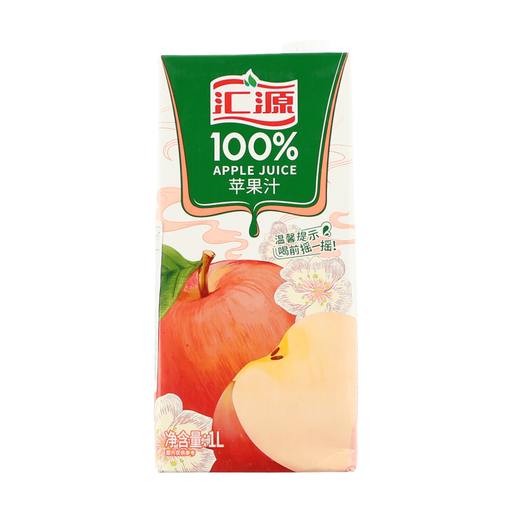
Why it fits this profile: A familiar apple flavour in a 1-litre pack, ideal for everyday use at home.
The ingredients list is straightforward: water and concentrated apple juice. The nutritional information makes the naturally occurring sugars clear.
1 litre content, 41 kcal per 100 ml and, according to the product information, no added sugar, preservatives or artificial colours.
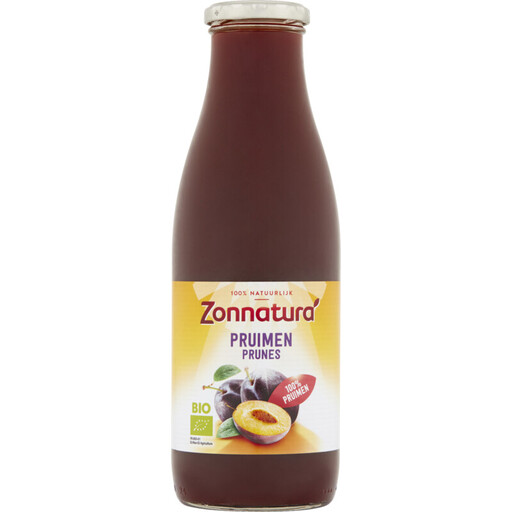
Why it fits this profile: For those who care about origin and want a distinctive plum flavour for drinking, muesli or desserts.
The product information lists organic plums and one main ingredient: plum juice obtained by water extraction. This makes the composition easy to check.
750 ml content, labelled organic on the product, and can be used as a drink or an ingredient.
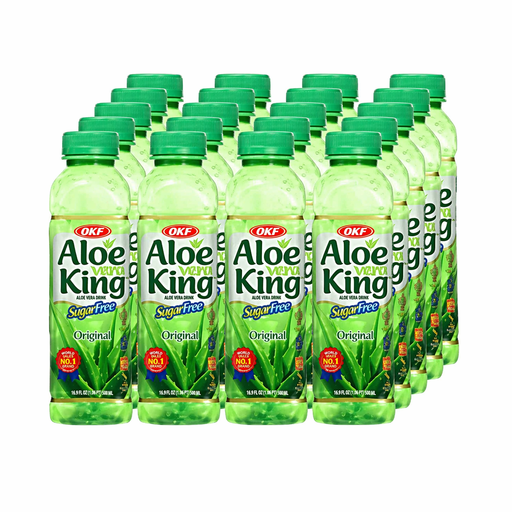
Why it fits this profile: A practical bulk pack for families, offices or fans of chilled Asian drinks.
The pack clearly states 20 bottles of 500 ml, and the nutritional information shows 0 grams of sugar per 100 ml.
20 individual portions, 500 ml per bottle and, according to the product information, 0 grams of carbohydrates and sugars per 100 ml.
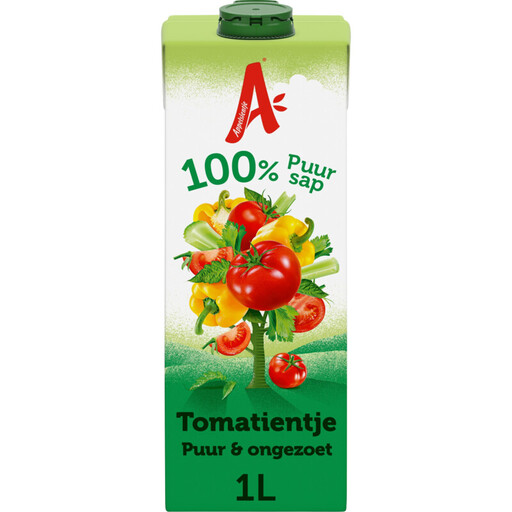
Why it fits this profile: For those who want a savoury drink alongside sweet fruit juice for lunch, brunch or drinks.
The product information lists tomato as the main ingredient and clearly states added salt. This lets you judge the savoury flavour in advance.
1 litre content, 17 kcal per 100 ml according to the product table, and no added sugar according to the product description.
We’ve put together a full, up-to-date list of products that fully meet these strict selection criteria and comply with current European safety regulations.
It varies from product to product. Check the ingredients list and the nutrition table. Huiyuan apple juice and Appelsientje tomato juice are offered with no added sugar according to the product information, but they do contain naturally occurring sugars. A sugar-free aloe vera drink states the sugar content per 100 ml separately.
Always follow the label on the specific product. Many fruit juices and aloe vera drinks need to be refrigerated after opening. Seal the pack tightly and use the drink within the stated period. For products with a short recommended usage period, a smaller size can sometimes be more practical than a litre carton.
A bulk pack can be handy if you drink juice regularly or have multiple users. Compare the price per litre and consider the storage space you’ll need. For occasional use, individual bottles can help avoid waste. Also check that all the packs have the same flavour and composition.
