
Vandaag of morgen in huis

Kwaliteit gegarandeerd

Welkomstaanbiedingen ontgrendelen: GRATIS bezorging | Tot 80% korting | Gratis 30 dagen JoyPlus-proefperiode
Download de app
Want to buy jelly sweets, but can no longer tell the difference between all the bags, cups and international snacks? Gummy sweets can be soft and chewy, while a jelly dessert may feel smooth and more like a drink. Packaging also does not always tell you enough about portion size, allergens or storage.
With this practical guide, you can focus on the information that really matters. This makes it easier to choose between fruit gums, fruit sweets, liquorice and Asian sweets, whether you are looking for something for yourself, your family, a party or a bowl of sweets to share.
A 400-gram bag is handy for a party, but less practical if you only want a small portion from time to time. Individual cups or bags make usage easier to manage. So do not just compare the total price; also compare the weight per pack and the number of portions.
Names such as fruit jelly, fruit gum or blueberry gummy often refer to the flavour. Check the ingredients list to see whether the product actually contains fruit juice, fruit purée or concentrate. For example, Powerbeärs Tetris Fruit Gum lists 20% apple juice from concentrate. In other products, the fruit flavour may come mainly from flavourings and colourings.
A gummy sweet often contains gelatine, pectin or other gelling agents and has a firm, chewy texture. Jelly in a cup can be much softer. A product such as Jele Double Jelly combines soft jelly with pieces for extra texture, according to its product description. So look at the description and ingredients, not just the product name.
Check the following before ordering:
Product information may change between packaging versions or import batches. Always use the current label text as your guide.
Sweets generally contain a lot of carbohydrates and sugars. The products mentioned range from approximately 302 to 382 kcal per 100 grams. Compare in particular:
A product with less sugar per 100 grams is not automatically the right choice for you, as flavour, sweeteners and texture also vary. For example, Keumkang Jelly B Konjac Jelly Lychee lists 3 kcal and 0 grams of sugar per 100 grams, while its flavour and texture differ from those of classic gummy sweets.
Store fruit gums and soft, chewy sweets in a cool, dry place, away from direct sunlight and moisture. Seal an opened bag properly. Jelly cups and jelly products designed to be consumed like drinks may have different instructions. Jele Double Jelly Lychee must be refrigerated after opening and used within the period stated on the packaging.
ABC Jelly Fruity Jelly Bar Assorted Ice Pops is a frozen product. It must remain frozen, must not be refrozen after thawing and should be kept refrigerated after thawing. So always check the delivery information carefully for chilled or frozen products.
Extra care is needed with jelly cups that have a firm or elastic texture when they are being given to young children. Jele Double Jelly states that the product is not suitable for children under 3 years of age due to the risk of choking. Always follow the warning on the packaging.
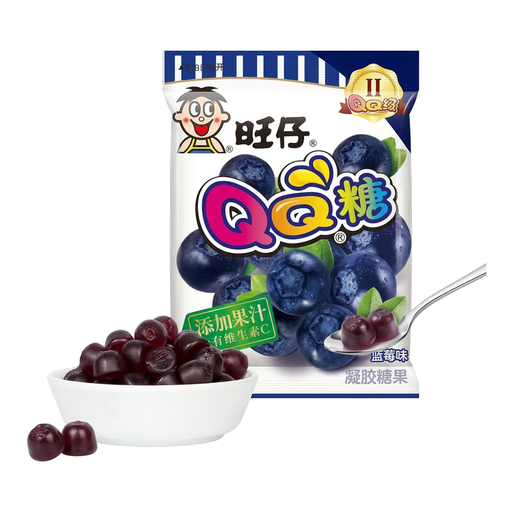
Why it suits this profile: The 70-gram pack is a manageable way to try blueberry jelly candy for the first time without immediately ordering a large bag.
The limited net weight makes the portion and total purchase clear. The product information lists maltose, sugar and gelatine, allowing you to check the ingredients.
70 g contents, a soft, chewy texture and blueberry flavour according to the product description.
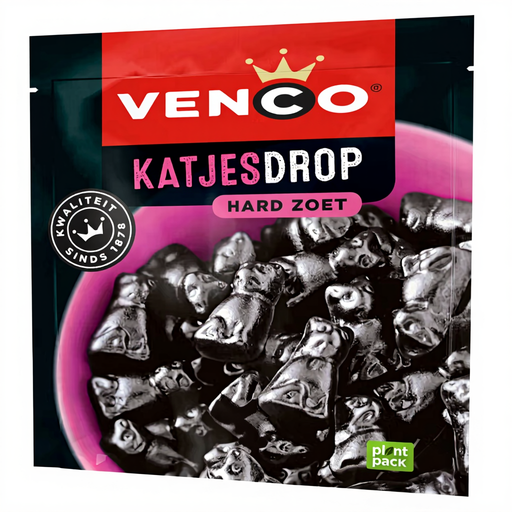
Why it suits this profile: Suitable for liquorice lovers looking for a distinctive choice with a firm, chewy bite and an intense liquorice flavour.
The product information specifies the texture, the percentage of liquorice root extract and the presence of sulphites. This allows you to assess the flavour and allergens in advance.
235 g contents, 5.4% liquorice root extract according to the product details and packaging made partly from plant-based plastic.
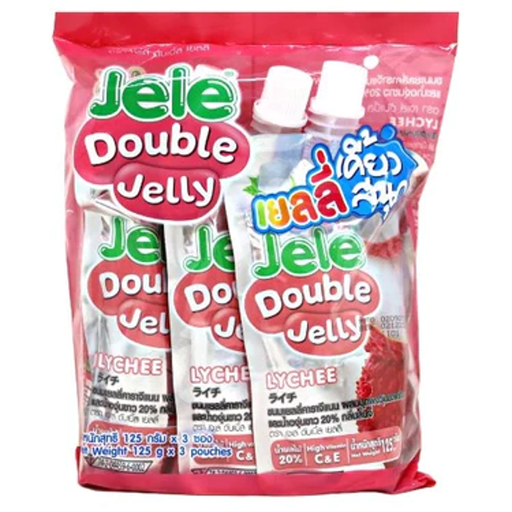
Why it suits this profile: The three cups are convenient for serving chilled, packing in lunch boxes or providing a small portion per person.
The product description makes it clear that these are jelly cups with a double texture, not traditional gummies. The product must be refrigerated after opening.
Three 125 g portions, lychee flavour, konjac powder and none of the 14 main EU allergens according to the product information.
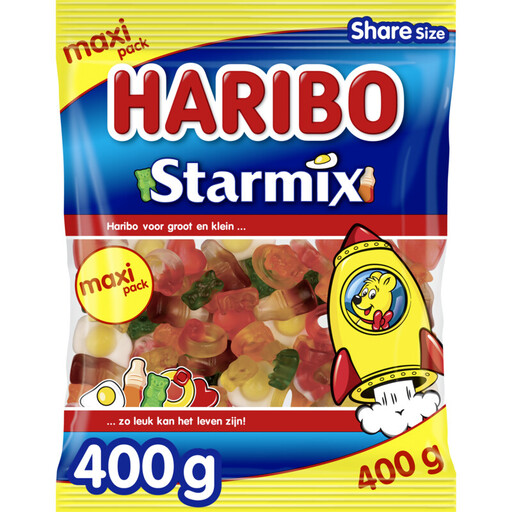
Why it suits this profile: The large bag is designed for sharing over several occasions and contains different shapes and textures, such as fruit gums, foam sweets and cola bottles.
The product information states that there are 16 portions and gives it a Nutri-Score of D. This makes the quantity and nutritional information clearer in advance than with an unspecified mix.
400 g contents, several sweet varieties and a suitable size for sharing according to the product description.
We have put together a complete, up-to-date list of products that fully meet these strict selection criteria and the applicable European safety regulations.
Gummy sweets are usually firmer and designed to be chewed. Jelly sweets can be softer, smoother or more pudding-like. The exact texture depends on gelatine, pectin, konjac or other gelling agents.
Check the best-before date on the packaging. Store unopened sweets in a cool, dry place away from direct sunlight. Once opened, they may have a shorter shelf life, particularly if the product needs to be refrigerated or is sensitive to moisture.
Check the net weight, ingredients, allergens, nutritional value, storage conditions and any age warnings. Also pay attention to the difference between products stored at room temperature, chilled products and frozen products. This helps ensure your purchase suits the way you plan to use it and prevents a pack from being left unopened.
