
Vandaag of morgen in huis

Kwaliteit gegarandeerd

Welkomstaanbiedingen ontgrendelen: GRATIS bezorging | Tot 80% korting | Gratis 30 dagen JoyPlus-proefperiode
Download de app
Japanese soup is handy for a quick lunch, a bowl of ramen, or an evening of nabe and hotpot. Yet the difference between products is significant. One pack contains portions you simply mix with hot water, while another Japanese soup base is intended to be diluted with water, vegetables, tofu, noodles or meat.
If you only look at terms like “authentic flavour” or “restaurant style”, you could end up buying a product that doesn’t suit the dish you have in mind. Pay particular attention to the preparation method, allergens and the type of broth. According to one brand’s product description, a flavour profile is no independent guarantee either; always check the ingredients list and nutritional values on the packaging.
An instant miso soup is usually packed per serving. You add hot water and have a bowl of soup in no time. A base for Japanese hotpot, ramen or sukiyaki often needs to be diluted first and topped up with other ingredients.
A large 750g bottle may seem good value, but it’s less practical if you only want to make a single bowl of soup. Conversely, a box of small portions isn’t the most logical choice for a dinner party with several people.
A plant-based Japanese soup base can be suitable for vegetarians or vegans, but that depends on the full ingredients list. Check for soya, wheat, sesame, fish, chicken and pork, among other things. Dashi broth, for example, may contain bonito, while a miso soup can also contain gluten or wheat through soy sauce or fried gluten.
If you have allergies, always check the current label. Online product information can change and isn’t always sufficient for a personal dietary choice.
Terms like “rich”, “creamy”, “spicy” and “umami” describe a product’s positioning, but they don’t tell you how much salt, sugar or flavour enhancers it contains. So look at the nutritional value per 100g or per 100ml. Also pay attention to the recommended dilution: a concentrated base can work out very differently per bowl than the value on the bottle suggests.
A 30g sachet may be intended for one to three servings, while a 750g bottle supports multiple meals. Look at:
For a quick bowl at the office, small instant packs are practical. For a family or a hotpot meal, a larger Japanese soup base is usually more sensible.
Miso is basically made from soya beans, rice and salt, but additions vary per product. Some varieties contain alcohol, bonito, tofu, wheat or gluten. Ramen and hotpot bases may also contain chicken, pork, sesame or wheat.
A product without artificial colours or preservatives isn’t automatically low in salt or suitable for every diet. Judge every claim against the ingredients list and nutritional information table.
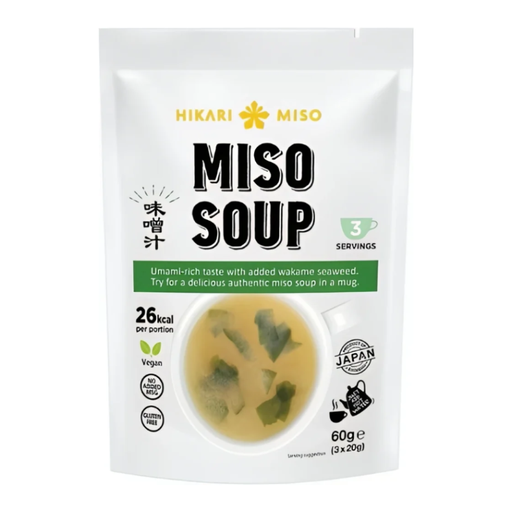
Why this suits the profile: The pack contains three servings and, according to the product information, is easy to prepare with hot water. That makes this instant miso soup suitable for a first introduction or a quick lunch.
The small size stops you from buying a large hotpot bottle for just a few bowls of soup. Do note: the description mentions bonito, so this isn’t a vegetarian choice.
Three servings, quick preparation and a base with miso, dried tofu, seaweed and spring onion according to the product information.
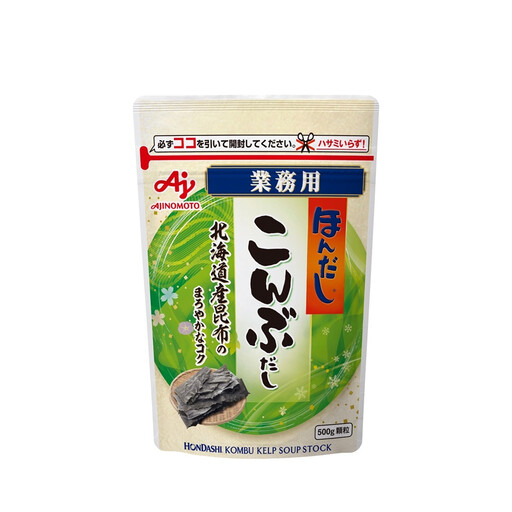
Why this suits the profile: According to the product description, this kombu-based stock is suitable for miso soup, clear soup, noodle broth, stir-fries and Japanese pasta.
The instructions state how many grams to use per type of dish. This lets you adjust the strength more precisely than with an unspecified broth.
500g, made with kombu powder and extract according to the description, and listed as allergen-free. Check the current label before purchase.
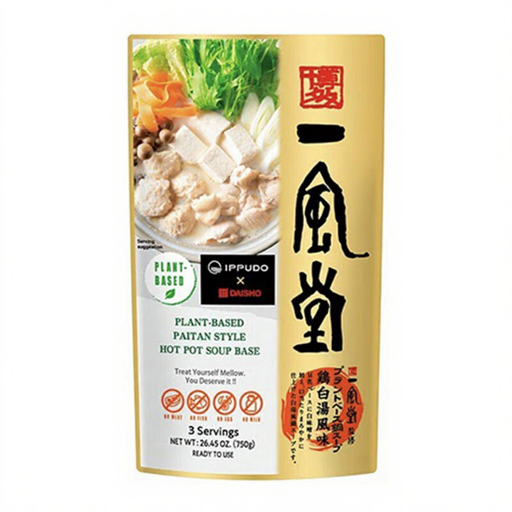
Why this suits the profile: According to the product description, this large Japanese soup base is intended for ramen, noodles, hotpot and sauces. The description positions this variant as fully plant-based.
The application is clearly broader than a single bowl of instant soup. Do check the current packaging if you follow a strict vegan diet or need to avoid allergens.
750g, plant-based positioning according to the product information and suitable for multiple Japanese dishes.
We’ve put together a full, up-to-date list of products that fully meet these strict selection criteria and comply with current European safety regulations.
Miso soup is made with miso paste and is often topped up with seaweed, tofu or spring onion. Dashi broth is a base or flavour enhancer that can be used for miso soup, noodle soup and stews, among other things. Dashi can be kombu-based, but it can also contain fish, such as bonito.
Follow the amount of water on the packaging. With many varieties, you add hot water directly to the sachet or bowl and stir until the paste or powder has dissolved. Feel free to add tofu, spring onion, mushrooms or noodles, but first check whether those ingredients suit your diet.
Unopened products should generally be stored in a cool, dry place away from direct sunlight. After opening, a bottle, sachet or jar must be sealed properly and used according to the label. Always check the stated date and do not use a pack if it is damaged.
