
Vandaag of morgen in huis

Kwaliteit gegarandeerd

Welkomstaanbiedingen ontgrendelen: GRATIS bezorging | Tot 80% korting | Gratis 30 dagen JoyPlus-proefperiode
Download de app
By the Joybuy Product Recommendation Officer
Are you looking to buy Japanese snacks for home, a party or as a gift? You’ll quickly come across dozens of colourful packets with flavours like matcha, strawberry, mango and chocolate. However, the packaging doesn’t always tell the full story. A small packet can be relatively expensive, for instance, while a product with an appealing flavour name may contain allergens you weren’t expecting.
In this guide, you’ll learn what to look for when choosing Japanese biscuits, Japanese sweets, mochi, gummies and other Asian snacks. This way, you can compare products based on verifiable information rather than just appearance or marketing claims.
Not every product on the Asian snack shelf is made in Japan. Some snacks are Japanese-style variants produced in Taiwan, China or another country. That’s not a problem, but it is relevant information if you’re specifically looking for Japanese snacks.
So always check:
For example, the Yuki & Love Dorayaki is a snack with Japanese inspiration, but Taiwan is listed as the country of origin. The Bamboo House mochi is also an Asian snack, with Taiwan as its origin. So the product category and flavour may be Japanese-inspired, while production takes place elsewhere.
A product with “matcha”, “strawberry” or “mango” on the front doesn’t automatically contain a high proportion of that ingredient. The Nikko Matcha Cookies, for instance, list 0.6% matcha in the ingredients list. The flavour is also built up with sugar, milk solids, almond powder and flavouring.
It’s also wise to check the composition of gummies. The Mikakuto UHA Kororo Muscat mentions concentrated fruit juice, but also contains gelatine and beef as allergen information. If you’re vegetarian or avoid gelatine, you’ll need to check this beforehand.
Pocky, wafers and gummies are often sold in compact packets. That’s handy for on the go, but always compare the price per 100 grams. A portion of 16.5 grams, like the Meito Pukupukutai wafer, can be suitable for a small snack, while a bag of mochi weighing 180 or 210 grams makes more sense for sharing.
Also pay attention to the best-before date and storage conditions. Biscuits and wafers should generally be stored in a dry place away from direct sunlight. After opening, an airtight container can help preserve the texture.
For consumers with an allergy, wheat, milk, soya, egg, nuts and sesame are key points to watch. They are common in Japanese biscuits, mochi and chocolate products.
Examples:
Product information on a website can change or be less detailed than the label. Always check the packaging before eating the product, especially if you have an allergy or food intolerance.
Don’t just compare the price per packet, but also the quantity and nutritional values per 100 grams. For example, the Nikko Matcha Cookies contain 582 kcal, 38 g of fat and 43 g of sugar per 100 grams according to the product information provided. The Kororo Muscat gummies list 267 kcal and 68.8 g of carbohydrates per 100 grams.
This data doesn’t say anything about personal suitability, but it does help you compare products objectively. A small portion pack can also be helpful if you want to limit the amount you eat in one sitting.
Think ahead about how you want to use the snack:
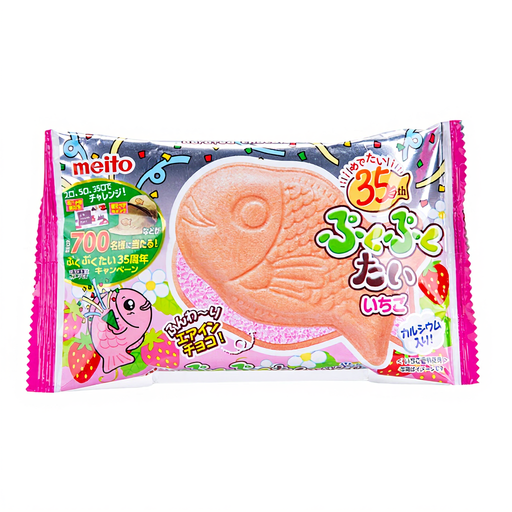
Why this suits the profile: The portion pack is ideal if you want to try a small amount of Japanese sweets or wafers first without buying a large bag straight away.
The net weight is clearly stated. You can compare the price and portion size with larger packets.
Chocolate-strawberry flavour, 16.5 grams per packet and clear information about wheat and milk.
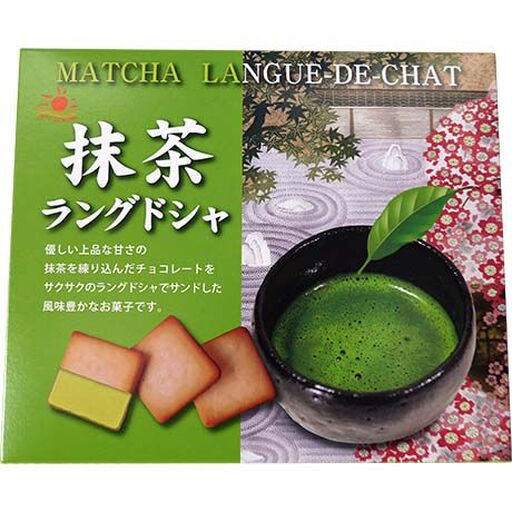
Why this suits the profile: These biscuits are aimed at shoppers looking for a pronounced matcha flavour to enjoy with tea or coffee.
The ingredients list states the matcha percentage. This means you know the flavour may also come from other components and flavourings.
90 grams per packet, matcha 0.6% and a product description that mentions suitable use with tea.
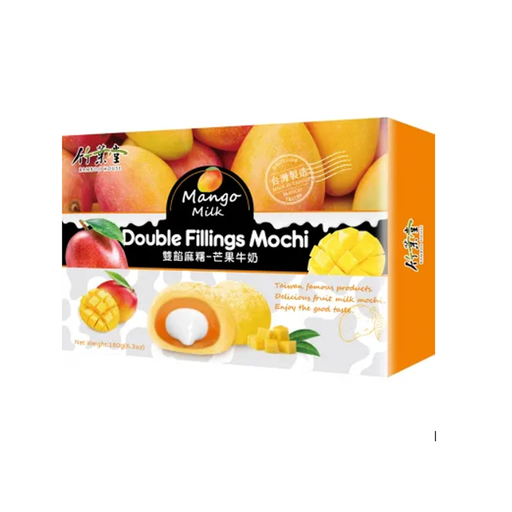
Why this suits the profile: The larger packet and individually wrapped mochi are practical for sharing, parties or regular snacking.
The 180-gram content and double filling are clearly described. After opening, airtight storage is needed to prevent the rice layer from drying out.
Mango and milky filling, individually wrapped and suitable for storage in a cool, dry place.
We’ve put together a full, up-to-date list of products that fully meet these strict selection criteria and comply with current European safety regulations.
Use this short checklist before you order:
You can buy Japanese snacks from specialist shops, some Asian supermarkets and online. Online, you’ll often find more varieties, such as Pocky, Hello Panda biscuits, dorayaki, Japanese gummies and different types of mochi. When ordering online, pay attention to the product information, origin and allergens.
The shelf life varies by product. Dry biscuits and wafers generally last longer than soft mochi or dorayaki. The official date is on the packaging. Store snacks according to the label, usually in a cool, dry place away from direct sunlight. Seal opened packets tightly.
A varied hamper often works well: combine buying Pocky, Hello Panda biscuits, matcha cookies, fruit gummies and mochi. Choose different flavours and textures, but check the allergens beforehand if the gift is intended for several people.
