
Vandaag of morgen in huis

Kwaliteit gegarandeerd

Welkomstaanbiedingen ontgrendelen: GRATIS bezorging | Tot 80% korting | Gratis 30 dagen JoyPlus-proefperiode
Download de app
Do you want to buy Japanese snacks, but find yourself faced with colourful packaging and flavour names that tell you little about what’s inside? In that case, comparing is more important than relying on appearances. Especially with Japanese crisps, nori crisps and spicy snacks, small differences in ingredients, origin and size can determine your purchase.
A selection of Asian snacks can include products from several countries. For example, TAOKAENOI Crispy Seaweed Japanese Sauce is listed as originating from Thailand according to the product information, while Tokimeki Chapz Chips are stated as made in Japan. The flavour name “Japanese sauce” doesn’t automatically point to the production location either.
If you’re specifically looking to buy Japanese snacks online, it’s a good idea to check:
“Wasabi”, “teriyaki”, “honey BBQ” and “pickled plum” mainly describe the flavour profile. They don’t tell you how much of the named ingredient is actually in the snack. Wasabi crisps, for instance, may contain wasabi powder and flavourings, while teriyaki crisps often rely on soy sauce powder, miso, sugar and flavour enhancers.
So always check the ingredients. That way, you’ll avoid ordering a very spicy snack when you were expecting a mild flavour.
Japanese potato crisps are often available in bags of 60 to 125 grams. A smaller size is handy for on the go or for trying several flavours. For a party, a larger pack might be more convenient, but check the price per 100 grams. Also look at the packaging after opening: some products are described as resealable, while others need to be sealed properly after opening to stay crunchy.
First, make a distinction between:
A snack doesn’t have to be made in Japan to suit your taste preferences. However, the origin is relevant if you specifically want to order a Japanese snack.
Use the flavour name as an initial guide, but check the composition and product description:
Spiciness is subjective. A product description might mention a “powerful” wasabi flavour, but that’s not a standardised measurement. If in doubt, start with a smaller bag.
Check the product page before ordering and the label when you receive it. Recipes and packaging information can change. Pay particular attention to:
Nutritional values vary from product to product. For example, Koikeya Potechi Wasabi Nori states 536 kcal and 1.2 grams of sodium per 100 grams. Yamaei Crunchy Nori Ten Chips Wasabi states 588 kcal and 2.8 grams of salt per 100 grams. So always compare the same unit, preferably per 100 grams, and not just the portion size.

Why this fits the profile: The lightly salted flavour is accessible if you’re trying Japanese snacks online for the first time. At 75 grams, the investment is manageable, and you can compare other flavours later.
The original variant avoids an unexpectedly strong chilli, wasabi or seaweed flavour. The product information lists potato, vegetable oil and salt as ingredients.
Classic flavour, 75 g per bag and, according to the product information, none of the 14 major EU allergens.
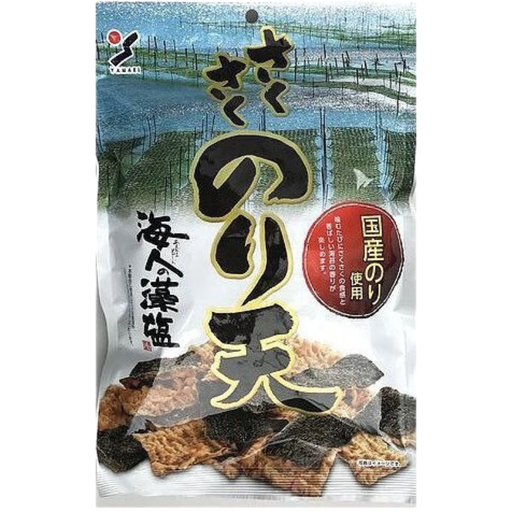
Why this fits the profile: This choice suits fans of a pronounced nori experience and a different texture from ordinary potato crisps.
The product description makes it clear that this is seaweed with a light tempura coating, not standard potato crisps.
70 g per pack, crunchy tempura preparation and a savoury nori and umami flavour. Contains wheat, egg and soya according to the listed ingredients.
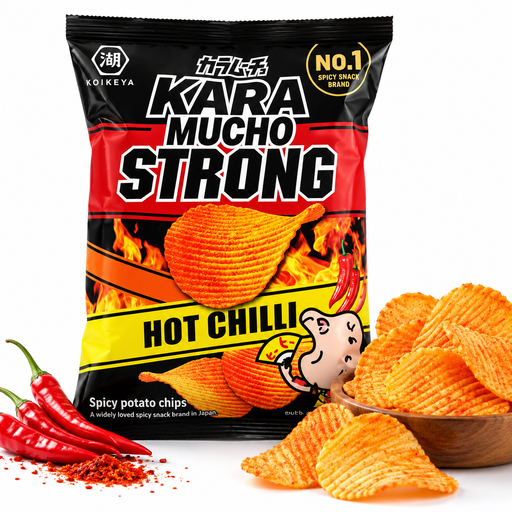
Why this fits the profile: The ridged shape and chilli seasoning are ideal for anyone deliberately seeking a spicy crisp option for snacking or sharing.
The product page explicitly mentions the spicy chilli flavour and warns that it may not be suitable for children. This makes the flavour expectation clearer.
60 g per bag, ridged potato snack and 525 kcal and 1.5 g salt per 100 g according to the product information.
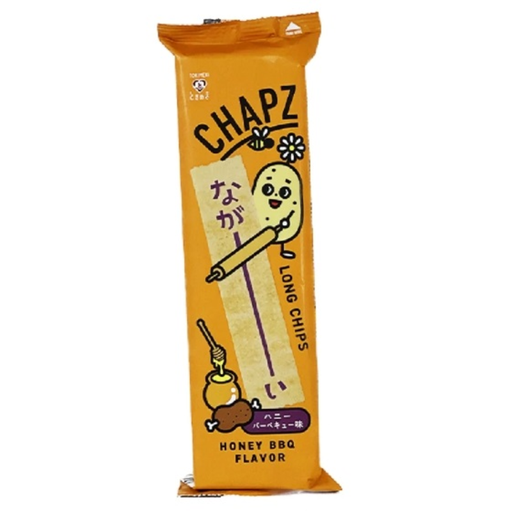
Why this fits the profile: Honey BBQ combines a sweet honey note with barbecue spices, making it a good match for eaters who find plain salted crisps too bland.
The product information explicitly mentions the combination of honey and BBQ. So you’re not buying an unspecified “special flavour”.
75 g per bag, potato base and a clear sweet-savoury flavour profile. The stated allergen information mentions wheat.
We’ve put together a full, up-to-date list of products that fully meet these strict selection criteria and current European safety regulations.
You can order Japanese snacks online from specialist ranges featuring potato crisps, nori crisps and other Asian snacks. Before purchasing, check the product origin, size, ingredients and allergen information. This makes it easier to see whether you’re choosing a snack from Japan or a product with only a Japanese flavour style.
Japanese potato crisps are made from potato and have a similar texture to traditional crisps. Nori crisps consist mainly of seaweed, sometimes with a crunchy layer of tempura batter. As a result, they are thinner and have a distinctly savoury seaweed profile. Yamaei Crunchy Nori Ten Chips is an example of this.
An unopened bag will generally remain fresh until the date on the pack, provided you store it in a cool, dry place away from direct sunlight. After opening, the crunchiness decreases due to exposure to air and moisture. So seal the bag carefully and consume the snack within a short time. The exact best-before information is on the packaging.
