
Vandaag of morgen in huis

Kwaliteit gegarandeerd

Welkomstaanbiedingen ontgrendelen: GRATIS bezorging | Tot 80% korting | Gratis 30 dagen JoyPlus-proefperiode
Download de app
When you buy international sweets and snacks online, you’re quickly faced with a huge selection. From Asian snacks and Japanese sweets to Turkish treats, chocolate pralines, gummies and biscuits: the packaging often looks tempting, but it doesn’t always tell you exactly what you’re getting. With a few simple checks, you can avoid a disappointing purchase and more easily choose something that suits the occasion, your company and your taste.
A 200g or 400g bag can seem attractively priced. For a family or party, that’s practical, but if you’re trying an unfamiliar flavour for the first time, a smaller pack might be wiser. So pay attention to the net weight, the number of servings and whether the items are individually wrapped.
Products labelled “chocolate”, “mango” or “raspberry” can vary by brand and country. Always check the ingredients list. A fruit flavour, for example, might be mostly sugar, glucose syrup and flavouring. With mochi, Japanese cake and Korean snacks, you may also find milk, soya, egg or wheat.
Soft cakes, mochi and jelly products sometimes need different storage to dry biscuits or gummies. Check the date on the packaging and follow the manufacturer’s storage advice. Some products need to be refrigerated after opening or eaten within a few days. A damaged seal or wrapper is a reason not to use the product.
For consumers in the UK, allergen information must be clearly shown on the label. Look out for:
A product may be described as vegetarian or vegan, but always check this against the actual packaging. For example, Bebeto Sour Blast Happy Raspberry states it is suitable for vegetarians and vegans, while Haribo Happy Cherries contains gelatine and is therefore not suitable for vegetarians or vegans.
The product’s form largely determines the eating experience:
Also consider the difference between the total weight and the individual portions. A pack with several small units is handy for lunchboxes, visitors or treats, whereas a large bag is better for a film night or party.
Use the per 100g table to compare products more fairly. Look at energy, fat, saturated fat, carbohydrates, sugars and salt. The nutritional information doesn’t tell you whether you’ll like something, but it does help you compare different types of sweet snacks side by side.
For example, the Milka Happy Birthday Milk Cream Pralines shows 567 kcal and 53g of sugar per 100g according to the product information. The Atom Japanese Banana Baum Cake lists 410 kcal and 28g of sugar per 100g. Figures like these make the difference between chocolate, cake and fruit gummies clearer than the front of the pack.
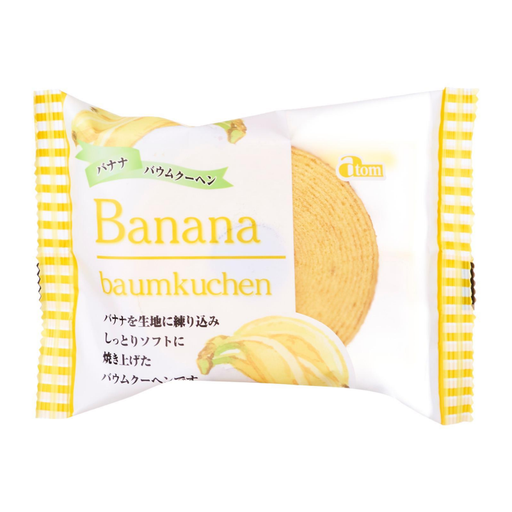
Why this fits the profile: The 80g portion is manageable for anyone trying Japanese cake for the first time. The cake is individually wrapped and can be enjoyed with tea, coffee or as a standalone sweet snack.
The small pack reduces the risk of an unfamiliar flavour going unused. Ingredients and allergens are listed on the product page and packaging.
80g, individually wrapped, soft layered texture and banana flavour according to the product description.
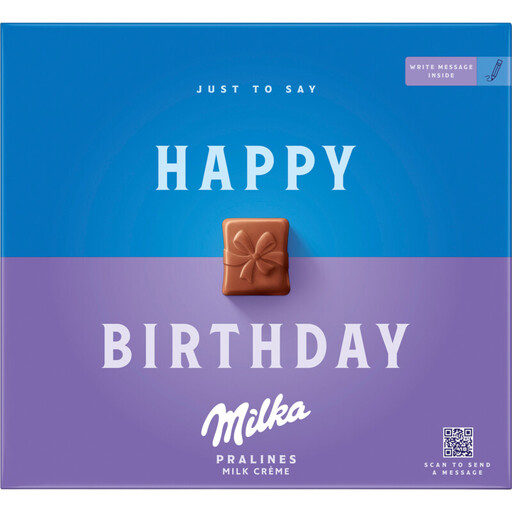
Why this fits the profile: This gift box is designed for a birthday or coffee moment. The packaging is resealable and includes space for a personal message.
The net weight and the count of 20 pralines are clear upfront. Do check the listed allergens, which include milk, soya and hazelnut.
110g, 20 milk chocolate truffles, 39% milk cream filling according to the product description and a resealable gift box.
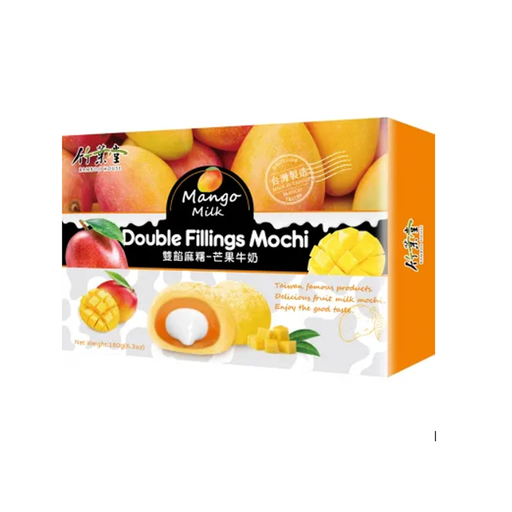
Why this fits the profile: The 180g pack and individual wrappers are ideal for sharing, tasting with several people or putting together an Asian snack selection.
The double filling and portion packaging make it clear what to expect. After opening, the mochi should be stored airtight to prevent the rice layer from drying out.
180g, mango and milk cream filling, individually wrapped and produced in Taiwan according to the product information.
We’ve put together a full, up-to-date list of products that fully meet these strict selection criteria and comply with current European safety regulations.
Choose a product with attractive packaging, clear portions and a flavour that is widely recognised. Chocolate pralines, a box of Orion Choco Pie or individually wrapped mochi are practical options. Check allergens and the remaining shelf life beforehand.
Always follow the label. Store unopened mochi in a cool, dry place, out of direct sunlight and away from heat. After opening, an airtight container may be needed; some varieties must be refrigerated and eaten within the stated period.
Check allergens, gelatine and age warnings. Jelly products can pose a choking hazard for young children due to their shape. Also give sweets in appropriate amounts and read the current product information before ordering.
