
Vandaag of morgen in huis

Kwaliteit gegarandeerd

Welkomstaanbiedingen ontgrendelen: GRATIS bezorging | Tot 80% korting | Gratis 30 dagen JoyPlus-proefperiode
Download de app
Do you want to buy international snacks, but find yourself overwhelmed by colourful packaging and unfamiliar brand names? Online, you’ll find a huge range of Asian snacks, Chinese snacks, Japanese snacks, Korean snacks, Turkish sweets and trusted Dutch products. The difference isn’t just about taste. Portion size, allergens, shelf life and nutritional information all determine whether a purchase is practical.
This guide helps you compare snacks using verifiable product data. That way, you can avoid ending up with a large pack that goes unused, a snack that doesn’t fit your diet, or a product that loses its texture while you’re on the go.
A box of twenty sachets or a 500g tub can be handy for a family, party or student house. For one person, though, such a pack might be far too big. Always check the net weight, the number of portions and whether the items are individually wrapped.
For snacks on the go, small sachets are often more practical. A multipack can still be a good option, because you can take individual portions without opening the whole pack.
Marketing terms don’t give you the complete picture of what’s inside. Look at the ingredients list and the nutritional values per 100g. A product with dried fruit, for example, may also contain sugar, glucose or maltose syrup. Candied snacks can list sweeteners, preservatives or sulphites.
Claims about traditional qualities or daily benefits come from the brand and shouldn’t be taken as established health facts. According to the product description for Haoxiangni, red dates and black sesame are linked to traditional Chinese eating habits; the product specification also lists the ingredients and nutritional values as standard.
Always check the allergen information before you buy. Many Asian snacks contain soya, milk, wheat, sesame or peanuts, for example. A product may also contain traces of other allergens due to shared production lines. For sweets and biscuits, colourings, gluten and milk ingredients can be relevant.
The information on the website may differ from the actual packaging. So when your order arrives, read the label, the warnings and the best-before date too.
Don’t just compare the price per bag or box – compare the quantity too. A 50g bag of dried mango is perfect for a small snack. A 360g pack with around twenty sachets makes more sense if you want to share or plan several snacking moments.
For sweet snacks, note the difference between a large sharing pack and individually wrapped portions. That determines how easily you can store and carry the product.
Look at the first ingredients on the list. These are usually listed in descending order of quantity. For Haitai Honey Butter Chips, the product specification states that the product is 89% potato; the flavour mix includes milk, wheat and soya.
For the Wei Long Konjac Snack, the ingredients include konjac flour, oil, starch, chilli and flavour enhancers. According to the product information, the mala flavour variant contains sesame and has 5.0g of salt per 100g. That makes the label especially important when comparing strongly spiced or savoury snacks.
Use the nutritional values per 100g to compare products fairly. A small pack isn’t automatically low in energy, sugar or salt. According to the product data, G’woon Peanut Flips contain 536 kcal and 1.34g of salt per 100g. The konjac variant contains 109 to 117 kcal per 100g, but the stated salt value varies by flavour.
Store most snacks in a cool, dry place away from direct sunlight. Seal opened packs tightly to keep crunchy products crisp for longer. Always check the date on the packaging; the shelf life can vary from batch to batch.
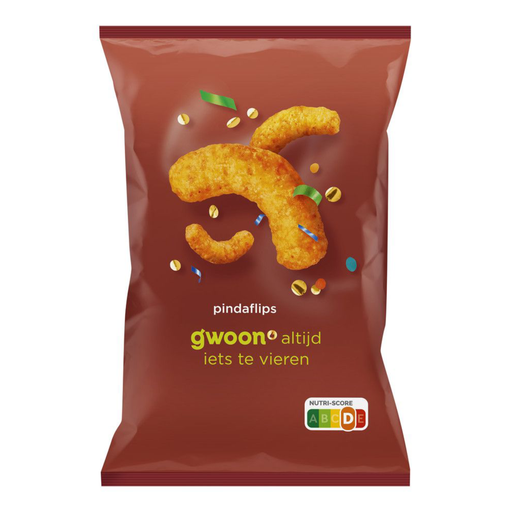
Why This Fits Their Persona: A familiar, shareable snack for anyone who wants to try international flavours without putting together a big selection straight away.
The 200g weight is clearly stated, and the ingredients list mentions peanut, milk and soya.
200g pack; 50% peanuts according to the product information; suitable for sharing.
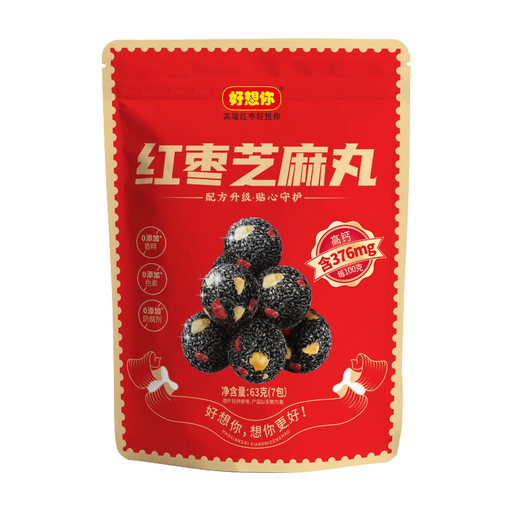
Why This Fits Their Persona: For anyone looking for a compact Chinese snack with a soft, slightly chewy texture and a combination of red date and black sesame.
The packaging states 63g and around seven to eight individual portions. Sesame is clearly listed as an allergen.
Approximately 21g per portion; 108 kcal per stated portion; ready to eat straight away.
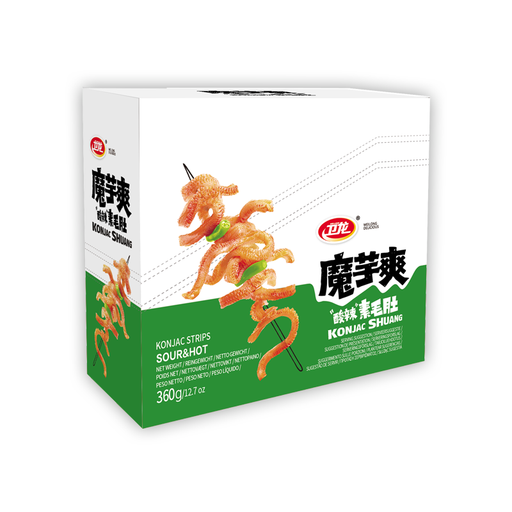
Why This Fits Their Persona: For fans of spicy, savoury snacks who want a stash for multiple snacking sessions or a group.
The box contains around twenty small sachets, so you don’t have to open the whole pack each time.
360g total; ready to eat; pronounced sour and spicy flavour according to the product description.
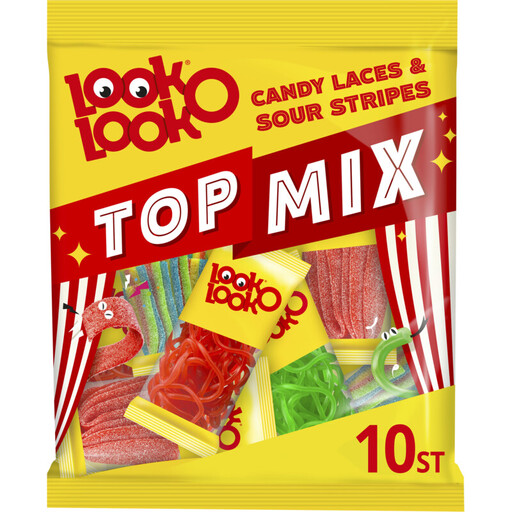
Why This Fits Their Persona: A practical choice for birthdays, film nights, treats and families who want to offer a variety of flavours.
Ten small portion packs make sharing easy and limit how long the whole bag is left open.
215g total; ten portions; a mix of liquorice laces and sour strips.
Other interesting options include Japanese snacks such as Glico Pocky Strawberry, Pocky Chocolate and Pocky Animal Sticks. For fruit lovers, MUSHAN BASE Dried Mango and crispy red date slices are good choices if you’re after a soft or crunchy texture. If you want to combine Dutch sweets with international flavours, Kanjers stroopwafels are a great pick. For a Turkish option, Titiz Candied Chestnuts are a compact choice; the ingredients list mentions chestnuts and white sugar.
Browse a current selection of candied snacks and compare packaging, ingredients, portions and flavour profiles before you order.
Choose a small or individually wrapped portion where possible. Also check whether the packaging seals well and whether the snack can withstand heat. Chocolate coatings can melt in a warm car or bag. Dried fruit, biscuits or individual portion packs are often easier to take with you.
That depends on the product. Check for allergens, spiciness, sweeteners and colourings. Be&Cheery King Plum, for example, lists sulphites and the colouring Allura Red; the packaging carries a warning about possible effects on activity and attention in children. Use the label as your guide and, if in doubt, choose a product with a simple ingredients list.
Store most products in a cool, dry place away from direct sunlight. Seal biscuits, crisps and dried fruit airtight. With multipacks, you can keep unopened sachets in stock and open one portion at a time. Always check the specific storage advice and the date on the packaging.
