
Vandaag of morgen in huis

Kwaliteit gegarandeerd

Welkomstaanbiedingen ontgrendelen: GRATIS bezorging | Tot 80% korting | Gratis 30 dagen JoyPlus-proefperiode
Download de app
Want to buy international beers, but finding it hard to tell the difference between the various countries, packaging formats and beer styles? A foreign beer can be appealing because of its origin, style or food pairing, but an eye-catching label does not always tell the whole story. Pay particular attention to verifiable information such as alcohol content, volume, packaging, ingredients and production date.
This guide will help you make a more informed choice from Japanese beer, Belgian beer, Thai beer, Vietnamese beer and Australian varieties, among others.
A tray of 24 bottles or cans is practical for a party or catering stock. For personal use, however, a large pack may be less convenient. Always check the total volume per pack and, if necessary, work out the price per 100 ml. For example, a 24-pack of 330 ml contains 7.92 litres of beer.
Words such as ‘premium’, ‘traditional’ or ‘authentic’ are not enough to compare two products fairly. Look at the beer style, alcohol content and ingredients. A pilsner is generally made differently from a tripel or stout. Taste descriptions can also vary from one brand to another.
When a brand claims that a particular brewing method creates a specific flavour, you should treat this as a brand claim. For example, according to Kirin’s product description, Ichiban Shibori is used to create a soft, clean taste. The verifiable information remains the listed recipe, alcohol content and format.
A product title may refer to a single bottle, while a similar product may also be available as a 4-pack, 6-pack or box of 24. Before checking out, check:
First, choose a style that suits the occasion:
A Japanese beer such as Kirin Ichiban, Sapporo or Asahi Super Dry falls into the lager category. Singha, LEO and Saigon Special are examples of Asian beers with a lager or pilsner profile. Belgian options such as Affligem Tripel, Tripel Karmeliet and Hertog Jan Tripel have a higher alcohol content and are better suited to relaxed drinking or enjoying with a meal.
Alcohol content partly determines how strong a beer is and helps you compare different products objectively. The range includes, for example:
Always check the label on the packaging delivered. Product information may vary by market or batch. Alcohol is intended only for people aged 18 and over. Do not drink if you still need to drive.
Canned beer is convenient for stocking up, parties and easy chilling. Bottled beer can be an attractive choice for a dinner or gift, but requires more space and careful transport. When placing an order, also consider the capacity of your fridge and the number of guests.
For a party, formats such as Kirin Ichiban 330 ml x 24, Singha 24 x 330 ml, Saigon Special 24 x 330 ml or Carlsberg 24 x 50 cl are sensible choices. To try a particular style, smaller packs such as Jupiler 6 x 250 ml, Coopers Pale Ale 6 x 37,5 cl or Tripel Karmeliet 4 x 330 ml are easier to manage.
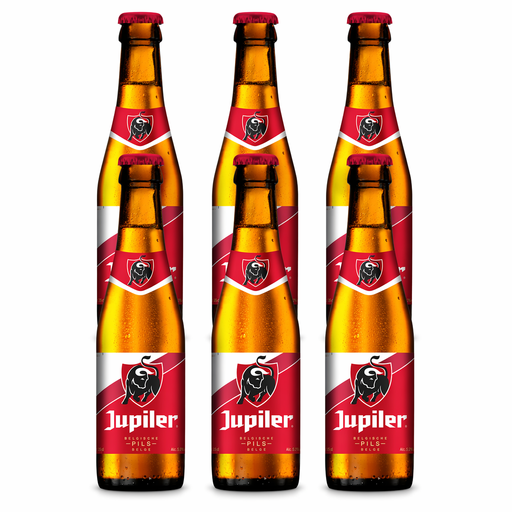
Why it suits this profile: The pack of six small bottles is ideal for trying Belgian beer at your own pace without immediately buying a large stock. The stated alcohol content is 5.2%.
The number of bottles and volume per bottle are clearly stated, making it easy to compare the pack with larger trays.
Belgian pilsner, 6 bottles of 250 ml and an accessible alcohol content of 5.2%.
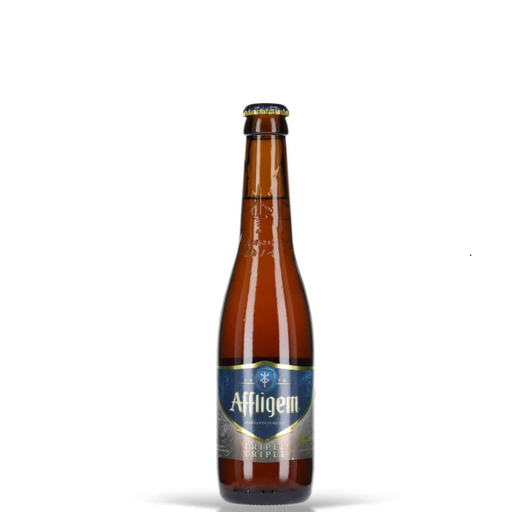
Why it suits this profile: According to the product description, this Belgian tripel is 9% ABV and has a fruity, spicy flavour profile. It is a good choice for anyone looking for a fuller speciality beer to enjoy with dinner or during a relaxed tasting.
The beer style, format and alcohol content are clearly stated. This means you do not have to rely on a general quality claim as your only selection criterion.
Tripel style, 300 ml bottle, 9% alcohol and stated presence of barley malt and gluten.
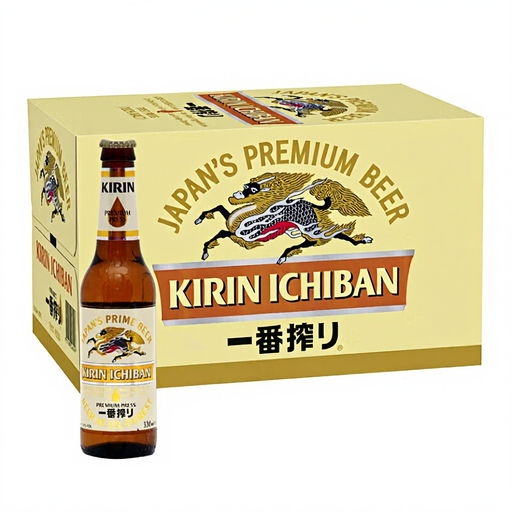
Why it suits this profile: The box of 24 330 ml cans is practical for parties, barbecues, catering or replenishing your stock. The product description states 5.0% alcohol and lists ingredients including barley malt, hops and rice.
The fixed number of cans and volume per item make the total quantity clear in advance. Always check the date and label again when the product arrives.
Japanese lager, 24 cans of 330 ml, 5.0% alcohol and suitable for sharing or keeping in stock.
We have put together a complete, up-to-date list of products that fully meet these strict selection criteria and the applicable European safety regulations.
Check the country of origin, beer style, alcohol content, volume, number of items, ingredients and allergens. Also check whether you are buying a single bottle or a multipack. For people with an allergy, the label on the packaging delivered is the deciding source of information.
Not necessarily. Japanese lagers such as Kirin, Sapporo and Asahi are listed at around 4.7 to 5.2% in the product information mentioned. According to the product information, Belgian tripels such as Affligem, Hertog Jan and Tripel Karmeliet are around 8.4 to 9%. The difference therefore mainly comes down to the beer style and brand you choose.
A tray or box of 24 is practical when you are expecting lots of guests and want to serve one style. Smaller beer packs are more convenient for a mixed tasting session. Work out the number of guests, desired servings and available fridge space in advance.
