
Same-day & Next-day Delivery

Quality Guaranteed

Unlock Your Welcome Offers: FREE Delivery | Up to 80% OFF | Free 30-day JoyPlus trial
Download the APP
If you want to buy international beer, you’ll find plenty of choice online: from Japanese beer and Thai beer to African beer, Polish beer and Mexican alcohol-free beer. That makes comparing options interesting, but also more challenging. An eye-catching label or well-known country of origin doesn’t tell you everything about the bottle, alcohol content, pack size or shelf life.
These practical checks will help you make a more informed choice for a dinner, party, gift or personal beer selection.
A beer from Japan, Kenya or Thailand may be authentic, but that doesn’t automatically mean it will suit your preferences. A lager is generally lighter and fresher than a stout or IPA. That’s why you should first look at the beer style, ingredients and alcohol content.
A case containing 24 cans may seem like good value, but it isn’t always the most practical choice if you want to try different flavours. For a first order, a smaller pack or a mixed beer selection from different countries may be more suitable. Also check whether the pack contains bottles, cans or individual units.
With beer from abroad, labels, nutritional values and product information may vary between markets. Before ordering, check:
For adults: drink responsibly and never drink if you still need to drive.
The alcohol content gives you an initial indication of intensity, but it doesn’t tell you everything about the flavour. A lager of around 4 to 5 per cent is often suitable with a meal or for a longer social occasion. A stout or IPA with 7 per cent or more will generally have a more pronounced character. Always check the current product packaging, as details on product pages may differ.
When you order speciality beer online, the beer style is a more useful filter than the country of origin alone. Consider:
A 330 ml bottle is practical for one person. A 500 ml can or bottle is better suited to a longer evening, but it also provides a larger serving. Multipacks are efficient for parties; for discovering foreign beer, a varied selection offers greater flexibility.
Pay attention to the differences between, for example, 4-pack, 6-pack, 12-pack and 24-pack. Also check whether the packaging includes a deposit. Chang Beer Classic, for example, includes information about a possible deposit amount; check the current offer and terms for details.
Many international beers contain water, malt, hops and yeast. This often means they contain barley or other gluten-containing grains. Junsui Yuzu Weisse, for example, lists wheat and barley malt. Sapporo lists rice as well as barley malt.
Store beer according to the instructions on the packaging: in a cool, dry place away from direct sunlight. Avoid major temperature fluctuations. Before drinking, check that the cap, crown cap or closure is undamaged.
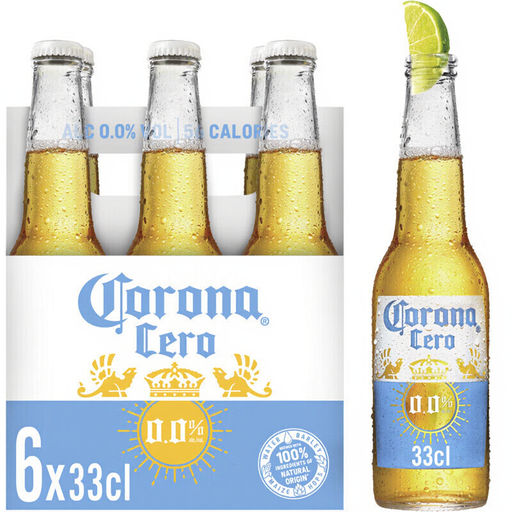
Why it suits this profile: A multipack of six bottles is a straightforward way to try Mexican alcohol-free beer for the first time, as well as for occasions when you don’t want to drink alcohol.
The alcohol content is listed as 0.0% and the pack size is clear: 6 x 330 ml. This means you’re not comparing products based solely on the brand or appearance.
0.0% alcohol, six 330 ml bottles and a product description that mentions serving with lime.
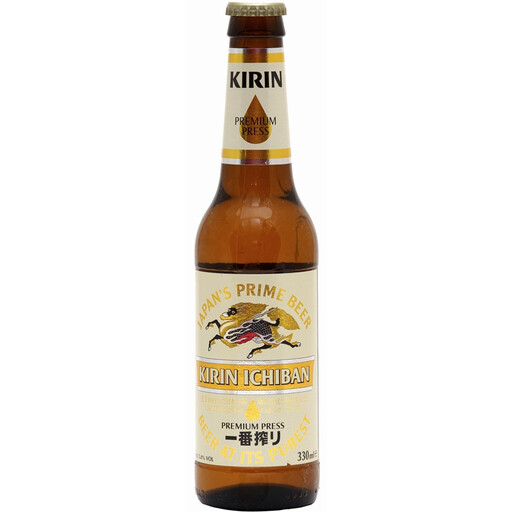
Why it suits this profile: This Japanese lager comes in a 330 ml bottle and is ideal for anyone looking for a compact serving with a meal or for a relaxed tasting.
The product information lists the alcohol content, size, ingredients and barley as an allergen. This makes it easier to make an informed choice.
5.0% alcohol, 330 ml per bottle and a short ingredients list containing water, barley malt, yeast and hops.
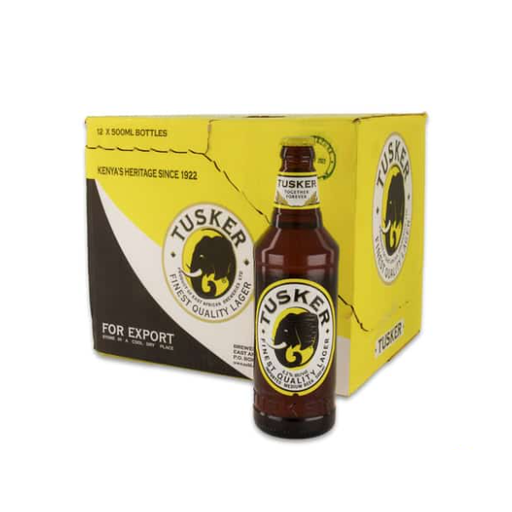
Why it suits this profile: The pack of twelve 500 ml bottles is practical for a larger group or an evening when you want to provide several servings.
The number of units, volume and alcohol content are visible in advance. This makes the total quantity clearer than with an unspecified beer selection.
4.2% alcohol, twelve bottles and 500 ml per bottle. The description mentions malt, clove and citrus flavour notes.
If you’re looking for Thai beer, you could consider Chang Beer Classic, Singha Beer Pilsner or LEO Beer. These products are available in 320 or 330 ml formats and their descriptions associate them with Asian dishes, barbecues and spicy meals.
For Polish beer, Tyskie and Żywiec Białe are relevant options to compare. Tyskie is listed with 5.6% alcohol; Żywiec Białe contains, among other ingredients, wheat malt, barley malt and coriander. Check the allergens before ordering.
For a darker speciality beer, you could look at Guinness 7.5% or Trio Extra Stout 7.2%. Brand India Pale Ale offers a Dutch IPA option with 7.0% alcohol. A mixed beer selection from different countries is useful when you want to compare countries and styles without immediately buying several large boxes of one type.
We’ve put together a complete, up-to-date list of products that fully meet these strict selection criteria and the applicable European safety regulations.
In particular, check the alcohol content, volume, packaging, ingredients, allergens and shelf life. Also check that the product description matches the information on the label when your order arrives.
That depends on the size, packaging and delivery costs. A multipack may offer a lower price per bottle, while individual bottles or a mixed pack carry less risk if you want to try a particular style first.
Follow the best-before or shelf-life information on the packaging and store the beer in a cool, dry place away from direct sunlight. Once opened, it’s best to drink the bottle or can straight away, as the carbonation and flavour can change quickly.
