
Same-day & Next-day Delivery

Quality Guaranteed

Unlock Your Welcome Offers: FREE Delivery | Up to 80% OFF | Free 30-day JoyPlus trial
Download the APP
If you want to buy international beer, you’ll quickly see a huge selection online: from Japanese beer and Thai beer to African beer, Belgian beer and alcohol-free options. But a striking label doesn’t always tell the full story. A product might be smaller than expected, a multipack could come in different packaging to the photo, and the alcohol percentage can vary between versions.
With this practical guide, you can focus on origin, volume, flavour style, packaging and the occasion you’re buying for. That way, you can order world beer online with confidence, without relying solely on marketing claims.
With international drinks, product photos sometimes show a bottle, can or multipack that doesn’t fully match the description. So always check:
For example, an order of 24 bottles of 320 ml is quite different to a box of 24 cans of 330 ml. With beer bottles, deposit and recycling information also matters. Check the product page and packaging before you order.
Words like “refreshing”, “premium”, “authentic” and “rich” are often descriptions from the seller or the brand. They don’t accurately predict how you’ll experience the beer. Instead, look at verifiable details:
According to the product information, Kirin Ichiban is a Japanese beer made with water, barley malt, yeast and hops. Sapporo is described as a lager with 4.7% alcohol and rice as an ingredient. These details help you compare far more than general flavour claims.
Alcohol-free beer can be a suitable alternative for occasions when you don’t want to drink alcohol. However, always check the stated percentage, nutritional values and allergens. Corona Cero is labelled as 0.0% alcohol according to the product information, while Kirin Free is listed as 0.0% vol. If in doubt, always read the label on the packaging you receive.
Alcoholic drinks are intended only for adults aged 18 and over. Please drink responsibly and do not drive after consuming alcohol.
The alcohol percentage doesn’t just determine the strength – it also gives context for your choice. A pilsner of around 4.7 to 5.2% is often a sensible choice for a meal or party. A stout of 7.2 to 7.5% has a more robust profile according to the product information. An IPA of 7.0% can have a pronounced hop bitterness.
Pay particular attention to the difference between:
For a party, the number of bottles or cans matters more than a single product photo. A pack of 6 x 250 ml is handy for a small tasting, while 20 x 50 cl or 24 x 320 ml is better suited to a larger group.
Also compare the price per litre. A larger pack isn’t automatically better value when you compare different volumes side by side. For a tasting, you might prefer to combine several individual beer bottles from different countries.
Most of the beers mentioned contain barley and therefore gluten. Tripel Karmeliet also lists wheat and oats among its ingredients. If you need to avoid allergens, it’s wise to check the full ingredients list on the packaging.
Store beer according to the product information in a cool, dry place, out of direct sunlight and away from large temperature fluctuations. Serving chilled can be appropriate for lager, pilsner and alcohol-free beer. Stronger stouts or tripels may be served differently depending on your preference. Always follow the serving advice on the label.
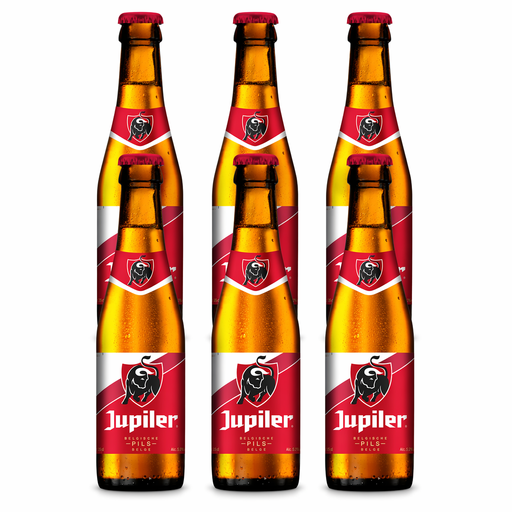
Why this suits the profile: The pack of six 250 ml bottles is manageable for anyone wanting to try Belgian beer without buying a large box straight away. The product information states 5.2% alcohol.
The number of bottles and the volume are clearly stated, so you don’t have to rely solely on the product photo.
Six individual beer bottles, pilsner style and an alcohol percentage of 5.2% according to the product information.
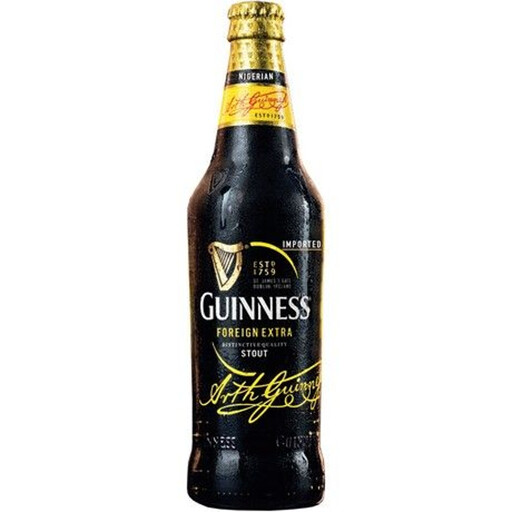
Why this suits the profile: This stout is designed for anyone looking for a darker beer with a higher alcohol percentage. The bottle contains 325 ml and the product information states 7.5% alcohol.
The alcohol percentage, bottle volume and Plato value are all stated, so you don’t have to base your choice on the brand name alone.
Stout style, 325 ml bottle and 7.5% alcohol according to the product description; contains barley malt and roasted barley.
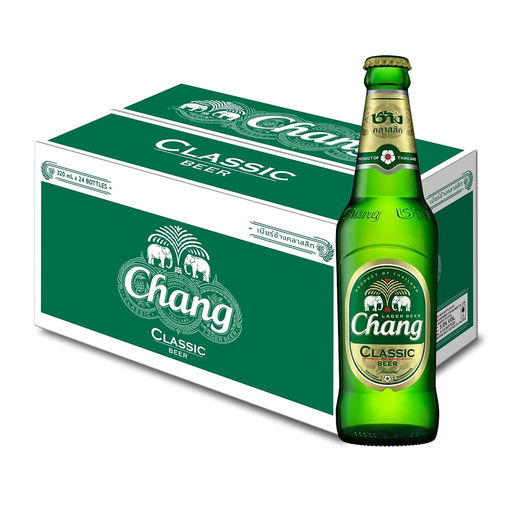
Why this suits the profile: A box of 24 units is ideal for a party, barbecue or dinner with Thai and other Asian dishes. The product information states 5% alcohol.
The multipack format and volume per unit are stated. On delivery, check whether the bottle or can packaging matches the label.
Thai lager, 24 x 320 ml according to the product name and 5% alcohol according to the product information.
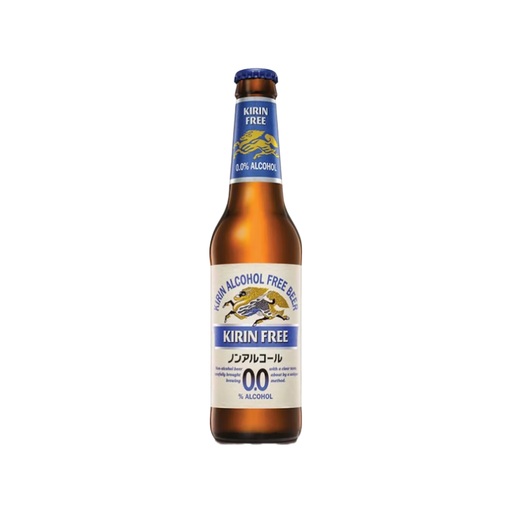
Why this suits the profile: This Japanese alcohol-free lager is ideal for anyone who wants to enjoy the flavour style of Japanese beer with a 0.0% variant according to the product listing.
The alcohol percentage is stated directly in the product name. Still check the bottle on delivery if 0.0% is a requirement for you.
330 ml bottle, Japanese lager style and 0.0% vol. according to the product information.
We’ve put together a full, up-to-date list of products that fully meet these strict selection criteria and comply with current European safety regulations.
First, check the country of origin, beer style, alcohol percentage and volume per bottle or can. Then look at the total number of units, ingredients, allergens, best-before date and storage advice. This way, you can fairly compare, for example, a Japanese lager with a Belgian speciality beer or an African beer.
Not always. The price per bottle can be higher due to import, packaging and transport, but a larger multipack can affect the price per litre. So compare the total volume, not just the price of the box. Also check any deposit information and delivery terms.
Store beer in a cool, dry place out of direct sunlight and avoid strong temperature fluctuations. Before drinking, check the seal and the label. Alcohol-free beer, pilsner, stout and speciality beer may have different serving preferences, so follow the instructions on the packaging.
