
Vandaag of morgen in huis

Kwaliteit gegarandeerd

Welkomstaanbiedingen ontgrendelen: GRATIS bezorging | Tot 80% korting | Gratis 30 dagen JoyPlus-proefperiode
Download de app
Would you like to buy international beer, but are unsure whether to choose Japanese beer, Asian beer, Polish pilsner or Belgian abbey beer? Then it is worth looking beyond an eye-catching label or the word ‘premium’. The key differences are often found in the alcohol content, beer style, pack size, ingredients and shelf life.
Packaging also makes a big difference for a barbecue, restaurant, party or relaxing evening at home. A single bottle is ideal for trying a flavour, while a 24-pack of beer is particularly practical when you are entertaining several guests. Use the points below to compare imported beer based on verifiable product information.
A product name may refer to either a single bottle or a box. Always check:
A product containing 24 bottles of 330 ml is not the same as 24 cans of 500 ml. For catering use or a large party, this calculation can affect your budget and available fridge space.
‘Premium beer’ is not a universal flavour category. A premium lager may be light and refreshing, while Belgian abbey beer often has a fuller, sweeter or more spiced flavour. So look at the beer style, alcohol content and stated flavour profile.
For example, lager or pilsner generally has an approachable, refreshing profile. According to the product description, an abbey beer such as Leffe may feature notes of vanilla, clove and malt. This suits a different occasion and meal from a light lager.
A brand may talk about tradition, popularity or international recognition in its own communications. A beer may, for example, be described by the brand’s own research as popular or characteristic of a particular country; this is not an independent quality assessment.
Pay particular attention to the information on the product page and packaging:
First choose the type of beer that suits the occasion:
A difference of a few percentage points affects the drinking experience and the amount of alcohol per glass. The selected products range from approximately 4.5% to 8.5% alcohol. Coopers Original Pale Ale is listed at 4.5%, Asahi at 5.2% and Leffe Tripel at 8.5%.
Do not compare the percentage alone; consider the format too. A 500 ml bottle at 6.6% contains more alcohol than a 330 ml bottle at the same percentage. Drink responsibly, take your personal circumstances into account and do not drive or operate vehicles after consuming alcohol.
Before ordering beer, check whether the packaging is suitable for your needs. A 330 ml bottle is convenient for individual servings; a box of 24 is more efficient for a barbecue, restaurant or party.
Most of the beers mentioned contain barley or barley malt and therefore gluten. Saigon Export and Saigon Special also list sulphites. Always check the label for the latest allergen information. Store beer in a cool, dry place, away from direct sunlight and according to the instructions on the packaging.
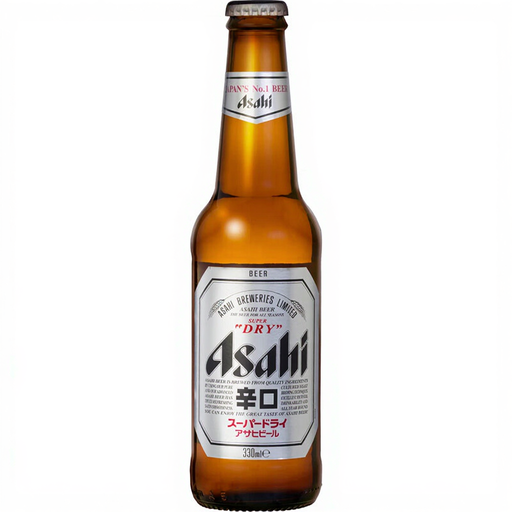
Why it suits this profile: A single 330 ml bottle is ideal for trying Japanese beer without committing to a large box.
The format and 5.2% alcohol content are clearly stated in the product information, so you can check the pack size and strength.
330 ml, 5.2% alcohol and ingredients including water, barley, yeast and hops.
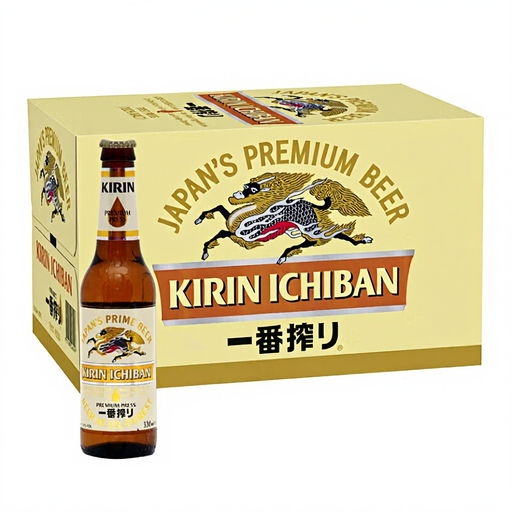
Why it suits this profile: The box of 24 cans provides a reliable supply of Japanese lager for meals and sharing.
The product page states both 24 x 330 ml and 5.0% alcohol, as well as barley as an allergen.
330 ml cans, 5.0% alcohol and, according to the product description, a refreshing flavour with a clean finish.
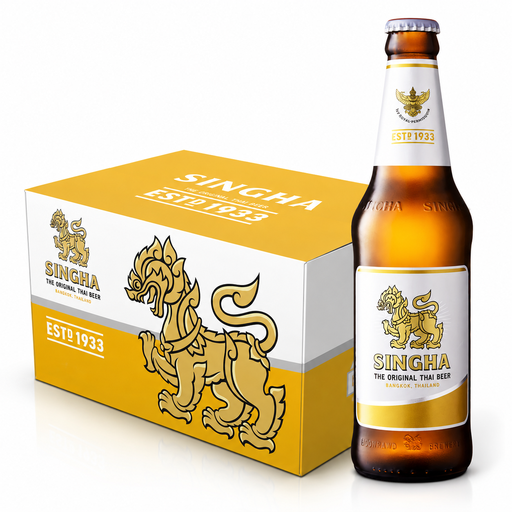
Why it suits this profile: A box of 24 bottles is practical for restaurants, parties, barbecues and fans of Thai beer.
The packaging, 330 ml volume per bottle and 5.0% alcohol content can all be checked in advance.
24 bottles, a pilsner profile with light bitterness and a product description that pairs the beer with Asian dishes.
We have put together a complete, up-to-date list of products that fully meet these strict selection criteria and the applicable European safety regulations.
Check the origin, beer style, alcohol content, volume per bottle and number of packs. Also look at the allergens, storage instructions and best-before information on the label. This helps you avoid unexpectedly receiving either a small tasting pack or a large box.
That depends on the price per pack, delivery costs and how much beer you will actually use. Divide the total price by the number of bottles or millilitres for a fair comparison. For a party or catering environment, a 24-pack may be more convenient logistically; for a first taste, a single bottle or 4-pack is often more flexible.
Store beer in a cool, dry and dark place, ideally without significant temperature fluctuations. Chill it before serving according to the product instructions. If seals or packaging are damaged, check the product information first and contact the seller if in doubt.
