
Vandaag of morgen in huis

Kwaliteit gegarandeerd

Welkomstaanbiedingen ontgrendelen: GRATIS bezorging | Tot 80% korting | Gratis 30 dagen JoyPlus-proefperiode
Download de app
Looking to buy international beer for home, a barbecue or a dinner party? A wide selection may seem helpful, but differences in cans, bottles, alcohol content and pack sizes can make choosing more difficult. If you focus only on the brand name or a striking label, you could end up paying for packaging that doesn’t suit the occasion, or choosing a beer that doesn’t pair well with your meal.
When buying beer from around the world, look out for these three common pitfalls:
Always check the stated alcohol content (vol%). This is usually shown on the label or in the product information. Pilsners and lagers are often lower in alcohol, while IPAs, stouts and tripels can be stronger.
Examples from the range:
Alcohol content is an objective way to compare beers. Descriptions such as ‘bold’, ‘premium’ or ‘rich’ are less specific and can mean different things from one brand to another.
Beer in cans is light, stackable and convenient for barbecues, picnics and larger parties. A 24-can case of Cass Fresh or a crate of Japanese lager is easy to share and takes up relatively little space.
Beer in bottles is better suited to a relaxed drink or a dinner party. Make sure you have a way to chill and store the bottles, though. Glass is heavier and more fragile than a can. So when ordering for home, the pack size and quantity are practical things to consider, as well as the beer’s country of origin.
A pack of 24 x 330 ml or 24 x 50 cl is best if you already know you enjoy that style. If you’re trying it for the first time, individual bottles or smaller packs make more sense.
Most standard beers in this guide contain barley malt and therefore gluten-containing grains. For example, Tyskie, Sapporo, Cass Fresh, Singha and Guinness list barley or barley malt in their ingredients. Always check the current product page and label before buying, as ingredients and labelling can change.
Recipes can vary too. Sapporo and Kirin list rice, along with water, barley malt, hops and yeast. According to the product information, Cass Fresh contains maize, among other ingredients. These details can help you compare beers, but they don’t tell you by themselves which one you’ll personally enjoy.
If you’re specifically looking for gluten-containing beer, browse the range of gluten-containing beers. If you have an allergy or intolerance, always use the packaging as your main source of information.
Serve stronger beers in a suitable glass and chill them according to the instructions on the packaging. Drink responsibly and remember that the legal minimum age is 18. Don’t drink if you’re going to drive.
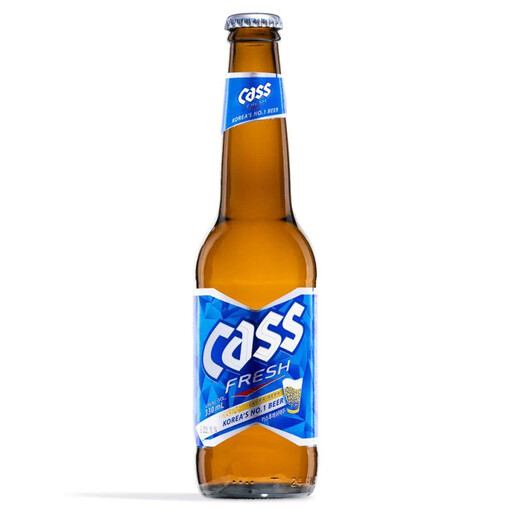
Why it suits this profile: A single 330 ml Korean lager is a practical choice if you want to try an Asian beer without buying a large case straight away.
The 4,5% alcohol content and 330 ml size are clearly stated, so you don’t have to rely on marketing language alone.
330ml size, 4,5% alcohol and, according to the product information, a light body with subtle malt and hop notes.
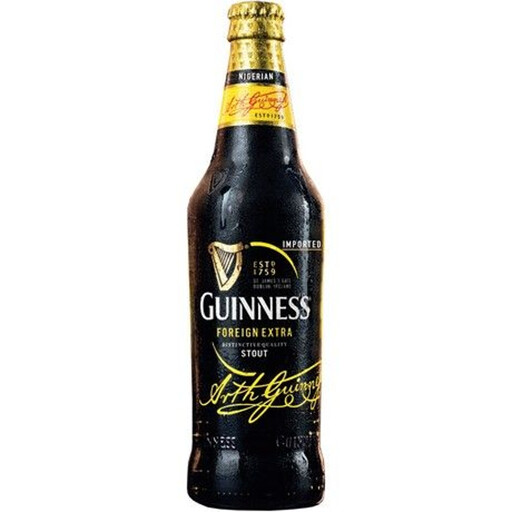
Why it suits this profile: A good choice if you’re looking for a darker, stronger beer to enjoy at your leisure or pair with savoury dishes and desserts.
The relatively high alcohol content and 325 ml bottle size are clear upfront, so you’ll know this isn’t a standard pilsner.
7,5% alcohol, 17,49 Plato and, according to the product description, notes of roasted malt, coffee and chocolate.
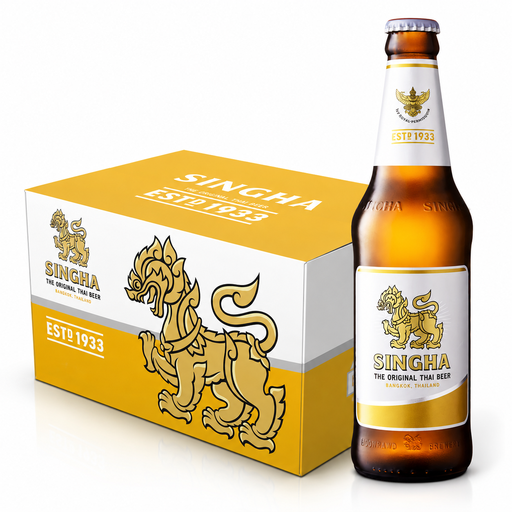
Why it suits this profile: The 24-bottle case is designed for parties and barbecues, and for fans of Thai beer who regularly serve the same style of lager.
The quantity, size and alcohol content are clearly stated, so you can choose the right amount for the number of guests and the occasion.
24 bottles of 330 ml, 5,0% alcohol and, according to the product information, a good match for Asian dishes and grilled meat.
We’ve put together a complete, up-to-date list of products that meet these strict selection criteria and the applicable European safety requirements.
A pack of 24 x 330 ml is practical if you’re expecting several guests and want to serve one style of beer. Individual bottles or cans offer more flexibility for a smaller gathering or a tasting. Check how much fridge space you have beforehand.
Store beer in a cool, dry place away from direct sunlight. Avoid large temperature fluctuations. Always check the packaging for the best-before date and any specific storage instructions. It’s best to drink an opened bottle or can straight away.
Start by comparing the beer style, alcohol content, volume, ingredients and allergens. An IPA, stout or tripel often has a higher alcohol content than a pilsner. Check that the flavour description suits your food or the occasion, rather than relying on terms such as ‘strong’ or ‘premium’ alone.
