
当日/次日达

品质保障

开启新人专享福利: 全场免邮 | 低至 2 折 | 免费试用 30 天 JoyPlus 会员
下载 Joybuy
Looking to buy international beer for home, a dinner party or a celebration? You can quickly find dozens of varieties from Poland, Thailand, Japan, Belgium and Africa. However, an eye-catching label or a story about centuries-old traditions says little about whether the beer suits your taste, company and budget.
The biggest disappointments usually come from three common pitfalls:
Confusing origin with flavour
Polish beer, Thai beer or Japanese beer does not automatically have one fixed flavour profile. Always check whether it is a lager, tripel, stout or fruit beer.
Overlooking the alcohol content
A 300 or 330 ml bottle can be stronger than expected. A tripel at 8,4% or a stout at 7,2% calls for different drinking plans than a lager of around 5%.
Failing to compare packaging and quantity
An individual beer bottle is convenient for trying something new. A box of 20 or 24 bottles is more practical for a party, but less suitable if you do not yet know whether you will enjoy the flavour.
Do not start with the country alone; start with the beer style. Lager is generally light and refreshing. A tripel often has a higher alcohol content and a fuller flavour profile. Stout is darker and is often associated with roasted malt notes.
When comparing products, look out for descriptions such as:
Flavour descriptions are not a guarantee: they are based on product information provided by the brand or seller. Use them as a guide and combine them with the alcohol content, ingredients and size.
Check the alcohol content for each product, not just for each beer style. The range includes, for example:
A higher percentage does not automatically mean that a beer is a better match for you. It is mainly relevant to the occasion and the amount you want to serve. Drink responsibly; alcoholic drinks are not suitable for minors or pregnant people.
Most of the products mentioned contain barley or barley malt, and therefore gluten-containing cereals. Tripel Karmeliet also lists wheat and oats, among other ingredients. According to the product information, Lindemans Kriek contains barley, wheat and cherry concentrate, among other ingredients.
Check the following before buying:
A product description may change. Always check the label when your order arrives, especially if you have allergies or specific dietary requirements.
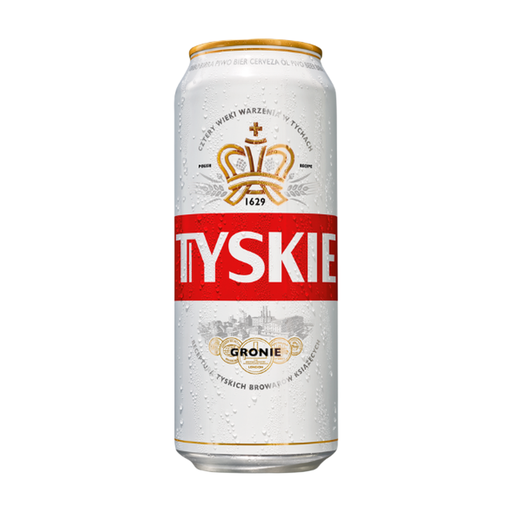
Why it suits this profile: The 50 cl bottle offers a straightforward introduction to Polish beer. The product description mentions a bright, light beer with hop, caramel and subtle fruit notes, and 5,6% alcohol.
The alcohol content and size are clearly stated, so you do not have to rely on the country of origin alone.
50 cl per bottle; 5,6% alcohol; ingredients include water, barley malt and hops.
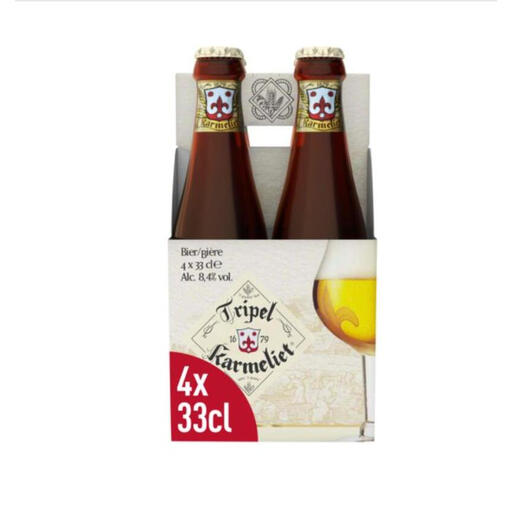
Why it suits this profile: If you are looking for a Belgian speciality beer from abroad, this four-pack contains 33 cl per bottle and has a stated alcohol content of 8,4%.
The four-pack means you do not have to choose a large box without being able to plan for multiple servings.
4 x 330 ml; 8,4% alcohol; ingredients include barley, wheat, oats, hops, herbs and yeast.
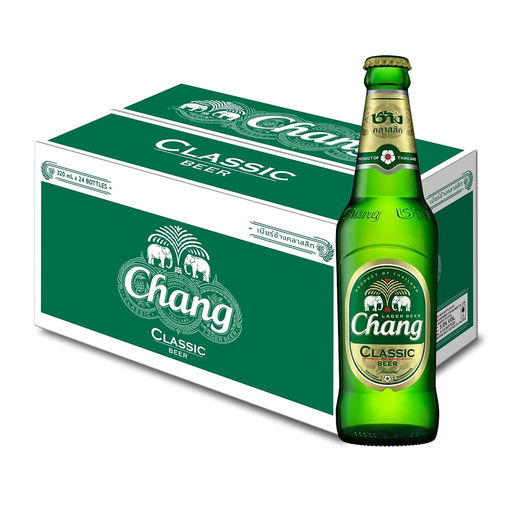
Why it suits this profile: The box of 24 x 320 ml bottles is designed for larger gatherings, barbecues and meals featuring Asian cuisine. The product information states an alcohol content of approximately 5%.
The number of bottles and individual size are clear in advance, making it easier to match your stock to the number of guests.
24 x 320 ml; approximately 5% alcohol; product information lists water, barley malt, hops and yeast.
For fans of world beer, there are more practical flavour routes to explore:
If you particularly need to avoid gluten, you can browse the gluten-containing beer range. Be sure to check the current ingredients on the label there too.
We have compiled a complete, up-to-date list of products that fully meet these strict selection criteria and the applicable European safety regulations.
First compare the beer style, alcohol content, volume and number of bottles. Then check the ingredients, allergens, storage advice and stated best-before information. This helps you avoid buying a large pack that does not suit your taste or the occasion.
That depends on the price per litre, delivery costs and how much you actually drink. A large pack can be useful for a party, while individual beer bottles or a four-pack may be more suitable for trying a new foreign beer first.
Store beer in a cool place away from direct sunlight. Avoid significant temperature fluctuations and follow the instructions on the packaging. Before opening, check that the bottle or closure is undamaged. This allows you to meet the practical storage requirements without making assumptions about the flavour or shelf life.
