
Vandaag of morgen in huis

Kwaliteit gegarandeerd

Welkomstaanbiedingen ontgrendelen: GRATIS bezorging | Tot 80% korting | Gratis 30 dagen JoyPlus-proefperiode
Download de app
Are you looking to buy international beer for a barbecue, dinner party, celebration, or simply to discover new flavours? You'll quickly come across dozens of options: Belgian beer, Japanese beer, Thai beer, Vietnamese beer, Korean beer and Polish beer. The differences aren't just about the country of origin. Alcohol content, packaging, ingredients and serving temperature all determine whether a beer suits your occasion.
When ordering online, pay close attention to the product information. An eye-catching label or a term like "premium lager" doesn't tell you much about taste or ease of use on its own. Below are the key things to check, along with some popular choices from the range.
A case of 24 cans or bottles can be handy for a party or catering setting, but it's less suitable when you just want to try a new flavour. Always check:
For a small dinner, a 4-pack is often more practical. For a barbecue or to stock up, beer in bulk packs can be more cost-effective and easier to manage.
A higher alcohol percentage doesn't automatically mean a fuller or better taste. A Belgian strong blonde ale at 8.5% drinks very differently from a light lager at 4.5% to 5.2%. So look at both the beer style and the alcohol content.
If you're after an accessible beer, look for pilsner or lager. For a more robust speciality beer, styles like strong blonde ale or tripel are relevant. Always drink responsibly and remember the legal minimum age of 18.
Words like "authentic", "traditional" or "premium" aren't a full description of the flavour. Check the ingredients, allergens and origin. Claims about popularity or product performance come from the product description or, where stated, from the brand's own research. They don't guarantee that you'll personally like the taste.
First, compare the alcohol by volume (ABV) and the bottle or can size. Here are some product details from the range:
The recommended serving temperature varies by product. According to the product information, Jupiler is served around 3 °C, while Delirium Tremens suggests a range of 3–6 °C. For many Asian lagers, the suggested temperature is around 4–6 °C. Chill bottles and cans in good time, but avoid large temperature fluctuations during storage.
Most regular beers in this selection contain barley malt and gluten. Check the label if you need to avoid allergens. Saigon Export Premium also lists rice and sulphites. Kirin Ichiban, Sapporo and several other lagers use rice or maize alongside barley malt.
Alcohol-free beer isn't always allergen-free. Heineken 0.0 doesn't list any of the 14 main EU allergens, while Corona Cero contains barley malt and gluten-containing grains according to the product information. So always check the current packaging.
Choose the packaging based on the occasion:
Also note the difference between bottles and cans. Cans are often easier to chill and transport. Bottles work well for a dinner or serving occasion where presentation matters.
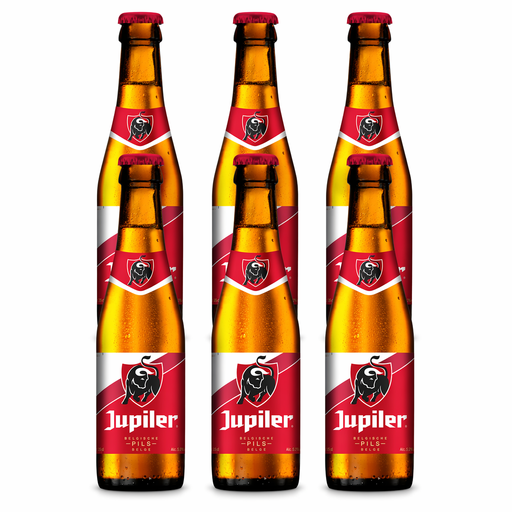
Why this fits the profile: A compact 6-pack of a well-known Belgian pilsner style. Handy for a first taste of Belgian beer or a small gathering.
The pack is smaller than many 24-packs, so you don't have to buy a large quantity straight away.
6 bottles of 250 ml; 5.2% ABV; serving suggestion around 3 °C.
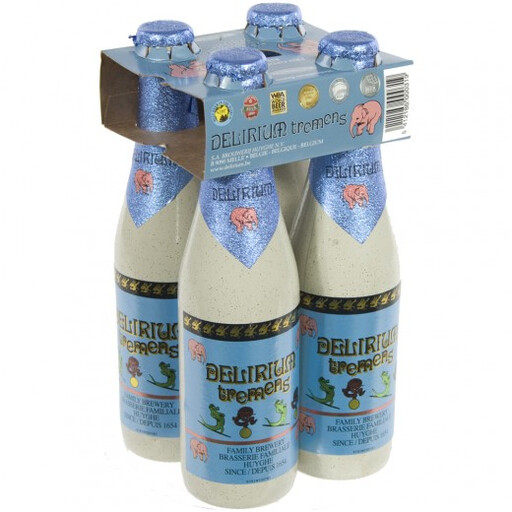
Why this fits the profile: A strong Belgian blonde ale for those who want a distinctive beer with a meal or as a special serving moment.
The alcohol content and beer style are clearly stated, so this product won't be mistaken for a standard lager.
4 bottles of 330 ml; 8.5% ABV; fruity tasting notes and a serving temperature of 3–6 °C.
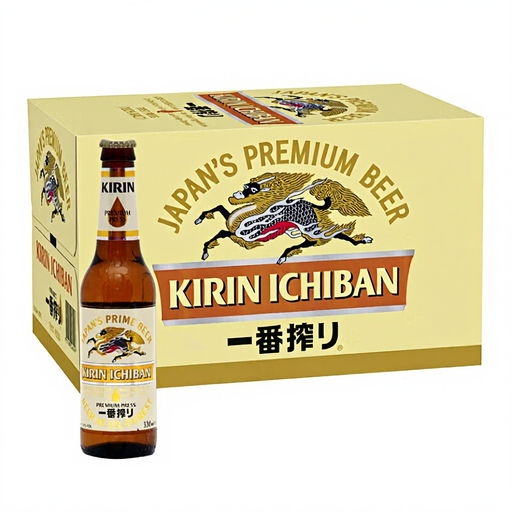
Why this fits the profile: A 24-pack of Japanese beer for parties, catering, dinners or anyone who regularly serves a neutral lager with different cuisines.
The box clearly states the quantity of 24 cans and the 330 ml volume, so you know exactly how much you're getting.
24 cans; 5.0% ABV; suitable for pairing with a wide variety of dishes.
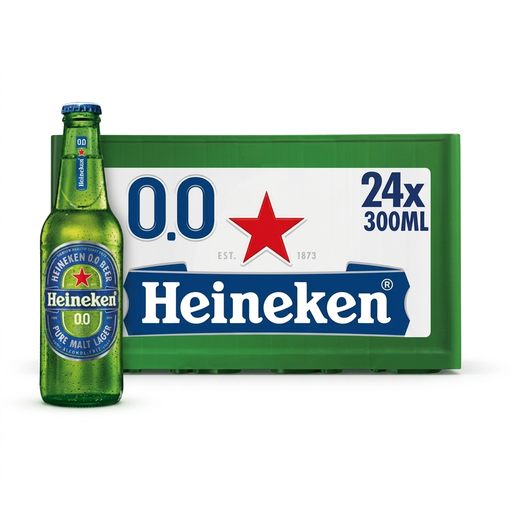
Why this fits the profile: An alcohol-free bulk pack for work, driving, parties or moments when you don't want to drink alcohol.
The 0.0% ABV is clearly stated in the product information. Always check the current packaging before purchase.
24 bottles of 300 ml; 0.0% ABV; storage advice on the product packaging.
We've put together a full, up-to-date list of products that fully meet these strict selection criteria and comply with current European safety regulations.
A light lager often works well with spicy dishes, grilled meat, seafood and snacks. That's why LEO Thai Lager and Saigon Export Premium are linked in the product information to Thai, Vietnamese and other Asian dishes. Kirin, Asahi and Sapporo are Japanese lagers that pair well with sushi, noodles, tempura and light meals.
For cheese, rich sauces or a more elaborate dinner, you could consider a Belgian speciality beer, such as Affligem Tripel. If you're after a fruitier profile, take a look at Lindemans Framboise; the product information states 2.5% ABV and a pack of 4 × 25 cl. For a larger bottle and a milder pilsner style, Lech Pils and Zubr are Polish options.
Compare origin, beer style, alcohol content, volume, ingredients, allergens and pack size in particular. Also check the best-before information and the recommended serving temperature.
A 24-pack can be practical when you're organising a party, barbecue, restaurant or regular stock. Compare the price per litre and check that you'll use the full quantity within the best-before date. For trying a new beer, a 4- or 6-pack is often more flexible.
Heineken 0.0 and Corona Cero are alcohol-free options in the range. Heineken 0.0 is listed with 0.0% ABV and Corona Cero likewise. Always check the label, especially if you need to avoid allergens.
