
Vandaag of morgen in huis

Kwaliteit gegarandeerd

Welkomstaanbiedingen ontgrendelen: GRATIS bezorging | Tot 80% korting | Gratis 30 dagen JoyPlus-proefperiode
Download de app
Are you looking to buy instant noodles online, but finding mostly the same packaging with different flavours and prices? Comparing by brand or product image alone isn't enough. The real differences often lie in portion size, preparation method, ingredients list and shelf life.
For students, busy families and heavy users, Asian instant noodles are a handy staple to keep in stock. However, there are a few common pitfalls when ordering online that can lead to a disappointing purchase.
A box of 30 or 40 portions can be ideal for a family, office or food service. But if you only eat noodles occasionally, such a pack takes up a lot of space and you might get bored of the flavour. Always compare the price per portion, not just the total price.
Also check the net weight. A pack of five 75g sachets is not the same as a box of five 90g sachets.
Names like chicken, prawn, Tom Yum or beef mainly describe the flavour profile. They don't automatically mean the product contains large amounts of that ingredient. Check the ingredients list. In some products, the flavour comes from herbs, flavourings or flavour enhancers.
For example, according to the product description, Indomie Instant Noodle Special Chicken contains 1% artificial chicken flavouring. The prawn variant lists an artificial prawn flavouring and states that the product may contain traces of crustaceans. That's useful information for your buying decision.
Not every instant meal works the same way. Some ramen noodles require you to boil the noodles in water. With cup noodles, you add boiling water. Mi goreng noodles are drained after soaking and mixed with sauce. An udon bowl, on the other hand, can be heated in the microwave.
So check beforehand:
Always follow the instructions on the packaging. Be careful with boiling water and do not consume a product if a sachet is damaged or leaking.
Wheat noodles often have a firm, springy texture and are common in ramen noodles, Japanese noodles and Indomie noodles. Rice noodles are an alternative if you're looking for a different texture. The Jub Jub Instant Rice Noodle Thai Boat 70g uses rice noodles and, according to the product description, is designed for a quick meal with a spiced Thai broth.
Udon noodles are thicker and softer. A product like Obento Sesame Teriyaki Udon Noodle Bowl contains a 240g portion with sauce, dried vegetables and sesame as a topping. This is a different eating experience from a small sachet of instant soup.
Choose a small pack if you want to try different flavours. A multipack of five is practical for regular use. For offices, catering or large households, a box of 30 or 40 portions may be more suitable.
Examples:
With bulk packs, it's wise to check the best-before date and storage space. Store dry products in a cool, dry place, away from direct sunlight and away from heat and moisture.
Always read the label before ordering, especially if you have food allergies. Many Asian instant noodles contain wheat and gluten. In addition, soya, celery, sesame, milk, egg, mustard, peanuts or crustaceans may be present, depending on the variant.
Also compare the nutritional values per 100g and per portion. These values aren't always directly comparable when one pack lists dry noodles and another lists the prepared product. Check the unit for salt or sodium on the label. The final nutritional value can also depend on how you prepare it.
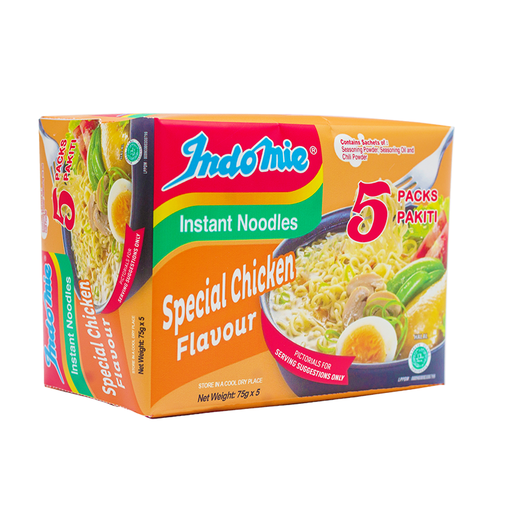
Why this fits the profile: A multipack of five portions is straightforward for students and households wanting to try a first stock of Asian instant noodles.
The packaging clearly states five sachets of 75g each. This makes it easy to calculate the price per portion rather than just looking at the box size.
Special Chicken flavour, five individual packs and preparation with boiling water.
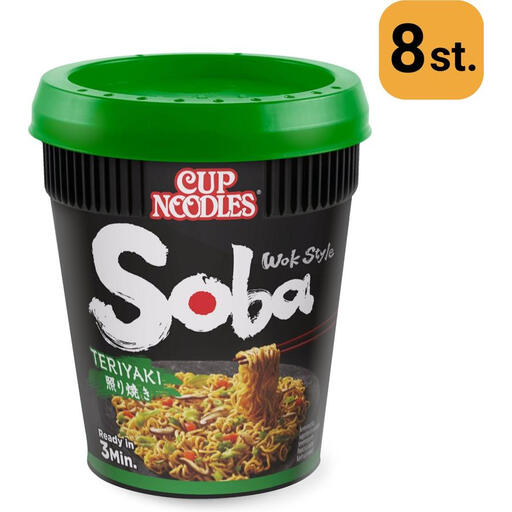
Why this fits the profile: The cup format and clear preparation steps make it ideal for use at the office, on the go, or when you have limited kitchen equipment.
The product description mentions a cooking time of around three minutes, a water line and a pour spout. This makes it clear in advance how the cup works.
Eight individual cups, teriyaki sauce and a preparation that only needs boiling water.
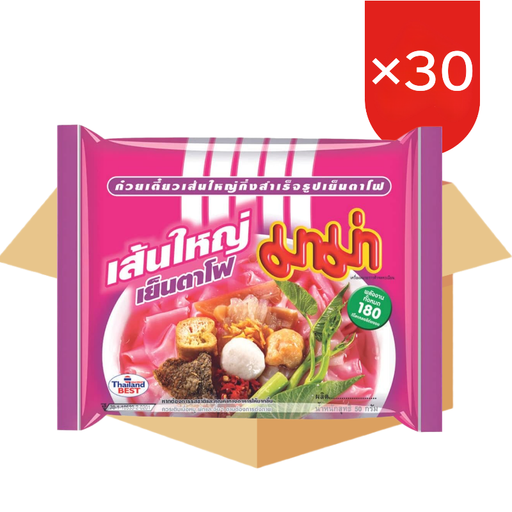
Why this fits the profile: The box of thirty portions is designed for heavy use, stock management and food service.
The number of portions and weight are clearly stated. This means you know exactly how much stock you're buying and can calculate the price per portion.
Thirty 50g portions, flat rice noodles and a preparation time of two to three minutes.
We've put together a full, up-to-date list of products that fully meet these strict selection criteria and comply with current European safety regulations.
Dry instant noodles generally have a long shelf life, but the exact date varies by product. Always check the best-before date on the packaging. Store the noodles in a dry, cool place away from direct sunlight. Once opened, seal the pack well and use it as soon as possible.
Cup noodles are practical when you only have boiling water and a spoon available. Sachets are often more flexible and can be prepared in a pan. For home use, a multipack of sachets can be better value; for the office, school or on the go, a cup can save time.
Mi goreng noodles are not eaten as a soup. You soak or boil the noodles, drain the water and mix them with the included sauce and seasonings. The Indomie Mi Goreng Stir-Fry Noodles 5x80g is an example of this. Check the allergen information for this product: according to the product description, it contains wheat and soya.
