
Vandaag of morgen in huis

Kwaliteit gegarandeerd

Welkomstaanbiedingen ontgrendelen: GRATIS bezorging | Tot 80% korting | Gratis 30 dagen JoyPlus-proefperiode
Download de app
Instant noodles are a lifesaver on busy workdays, in student kitchens, and for a quick lunch at the office. However, a packet can sometimes be misleading. A big, appetising picture on the front doesn’t automatically mean you’re getting a generous portion. Preparation time, spiciness, and nutritional information aren’t always listed in the same way either.
The main pitfalls to watch out for with instant noodles are:
The type of noodle determines the texture and how you use it:
Also consider whether you want a soup variety, a dry stir-fry variety like mi goreng, or a meal with sauce. For dry noodles, you usually need to drain the cooking water; with ramen, the broth stays in the bowl.
Don’t just compare products by the packaging; compare them by weight per portion and the number of portions. A 90 g cup is practical for on the go, while a box like Vifon Hu Tieu Nam Vang contains 30 sachets of 60 g each. That can be handy for stocking your cupboard, but less suitable if you want to try a flavour first.
With multipacks, also consider storage space and shelf life. Store dry instant noodles in a cool, dry place away from direct sunlight. For products with a best-before date, the date on the packaging applies; check it upon receipt.
Use the nutritional information table to compare products objectively. Pay particular attention to:
The values are not always given on the same basis. For some products, the information is per 100 g; for others, it’s per prepared or stated portion. Therefore, only compare figures that use the same reference.
According to the product information, Samyang Korean BBQ Cream Pasta contains, among other things, wheat, milk, and soya. Nissin Japanese Soba Cup Classic lists wheat, buckwheat, and soya, and may contain traces of egg, milk, fish, and sesame. If you have an allergy, the current labelling is what you should rely on.
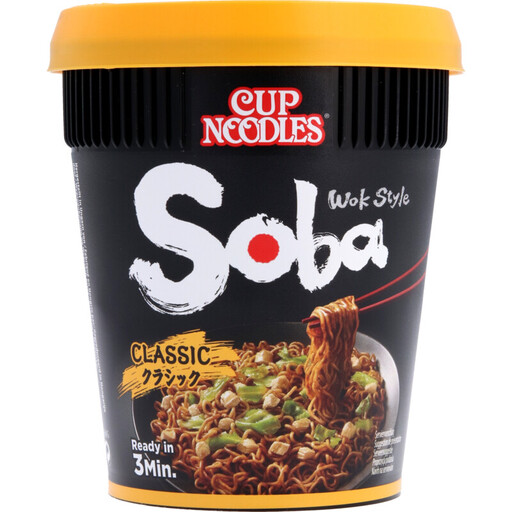
Why this fits the profile: This cup is neatly portioned and, according to the product information, ready in three minutes. The yakisoba sauce is stirred through the noodles rather than eaten as a soup.
The 90 g weight and preparation time are clearly stated. This makes it easier to judge beforehand whether you’re buying a snack or a full meal.
Cup format, three-minute preparation, and a dry sauce variety with chicken pieces and dried cabbage.
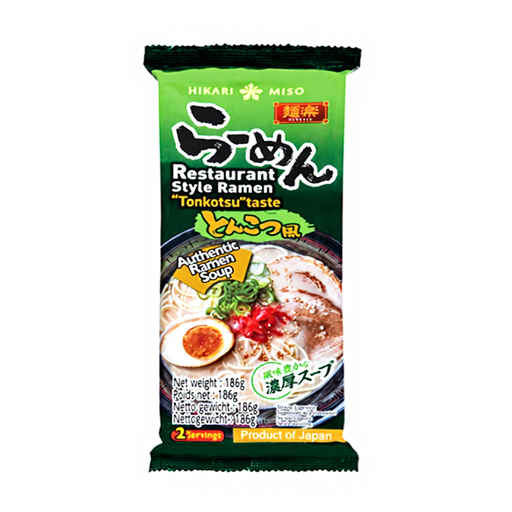
Why this fits the profile: The packaging contains ramen with miso and tonkotsu flavour, a weight of 186 g, and a product origin listed as Japan.
The information explicitly states the noodle type, soup base, allergens, and storage instructions. This makes comparing much easier than relying solely on the product image.
186 g per pack, miso base with tonkotsu flavour, and a clear listing of wheat and soya as allergens.
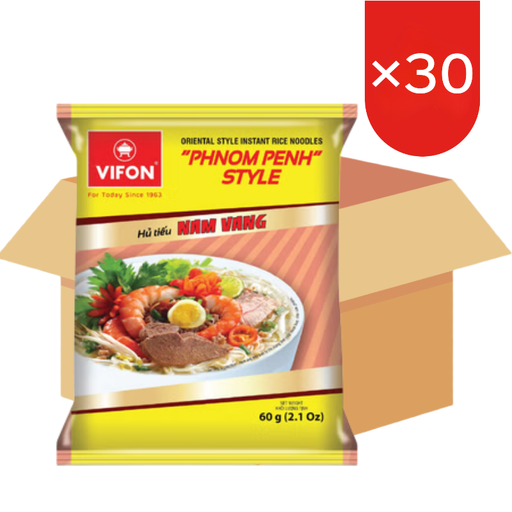
Why this fits the profile: The box contains 30 portions of 60 g each. This suits households, offices, or fans of Vietnamese rice noodles who want to stock up regularly.
The total net weight of 1.8 kg and the breakdown of 30 x 60 g make the stock quantity easy to check.
Rice noodles, dried vegetables, and a Vietnamese spiced broth; ideal for bulk buying.
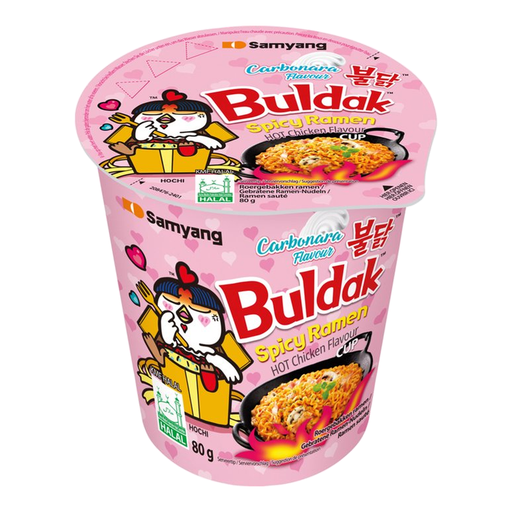
Why this fits the profile: According to the product description, this Korean cup combines spicy chicken seasoning with a creamy carbonara flavour and is designed for preparation with hot water.
The flavour and allergens are clearly stated. The 80 g portion prevents you from expecting a large meal.
Handy cup format, Korean spicy flavour, and a combination with carbonara pasta; contains wheat, milk, and soya.
We’ve put together a full, up-to-date list of products that fully meet these strict selection criteria and comply with current European safety regulations.
Always follow the instructions on the packaging. For cups, the standard preparation is often: open the lid, add boiling water up to the indicated line, wait a few minutes, and add a sachet of seasoning if needed. For mi goreng, you drain the water after soaking. Rice noodles or luosifen may need to cook for longer.
Dry instant noodles are generally suitable for storage at room temperature, as long as the packaging remains sealed, dry, and undamaged. The exact shelf life is stated on the packaging. For opened products, follow the storage instructions. Konjac noodles may need to be refrigerated after opening and used within a limited time.
That depends on the portion size and composition. A portion of 80 or 90 g may be a snack or light meal for some people. If you like, add vegetables, an egg, or another topping, but first check the ingredients and allergens. An udon bowl of 240 g or a larger meal pack offers a different quantity than a small cup.
