
Vandaag of morgen in huis

Kwaliteit gegarandeerd

Welkomstaanbiedingen ontgrendelen: GRATIS bezorging | Tot 80% korting | Gratis 30 dagen JoyPlus-proefperiode
Download de app
Instant noodles are handy for a quick lunch, a late-night snack, or stocking up a student kitchen. However, one pack can be quite different from another. A pot of noodles isn't automatically a full meal, a spicy flavour doesn't tell you much about the ingredients, and a large multipack is only good value if you actually enjoy eating that flavour.
Joybuy's Product Recommendation Officer helps you extract the key information from product descriptions. This way, you can compare instant noodles on preparation, ingredients, allergens, portion size and packaging, without relying solely on eye-catching marketing claims.
A pack weighing 180 to 197 grams might seem generous, but the weight can be a combination of noodle block, sauce, vegetables, vermicelli and seasoning sachets. So always check the net weight and the nutritional values per 100 grams. With a box of 12 pots, the total weight matters more than just the name “family pack”.
Some products carry “halal food” or “egg-free version” in the product name. That's useful information, but always check the ingredients list and allergen declaration on the product page and packaging. For example, the Yang Zhang Gui varieties state they are egg-free, yet they contain wheat, soya and sometimes sesame. If you strictly buy halal, it's wise to also verify the certification or official product information provided.
Terms like “non-fried” describe a product characteristic, but they don't automatically mean the complete meal aligns with your dietary goals. Look at salt, fat, saturated fat and portion size. Among the different ramen noodles, the nutritional values vary widely. Moreover, if you add the entire sauce and seasoning sachets, the nutritional value of the prepared meal changes compared to the noodle block alone.
Most noodles in a pot or bowl only need boiling water. However, the instructions do differ:
A pot is practical for the office, a train journey or a student room. A bag with individual portions is usually more convenient when you want to combine the noodles with vegetables, egg or meat alternatives.
Ramen noodles and many Chinese noodles are made from wheat flour and contain gluten. Egg noodles also contain egg and often have a yellow colour and firm bite. Examples include Sum & Sam Chinese Egg Noodles and Soubry Chinese Egg Noodles. These products are suitable for stir-fry dishes or soup, but they are not an egg-free choice.
Rice noodles and vermicelli are often made from starch, such as sweet potato, tapioca or corn starch. Some instant pots combine wheat noodles with vermicelli for different textures. If you have allergies, always check the full packaging: a product with vermicelli may still contain wheat, soya or sesame.
Spicy noodles often contain separate sachets of sauce, vinegar, oil, vegetables and seasoning. This gives you more control over the flavour. Start with part of the spicy sauce if you like, and add more later. Also look out for warnings such as “contains sweeteners” and check the allergens: several Yang Zhang Gui products list wheat, soya and sesame.
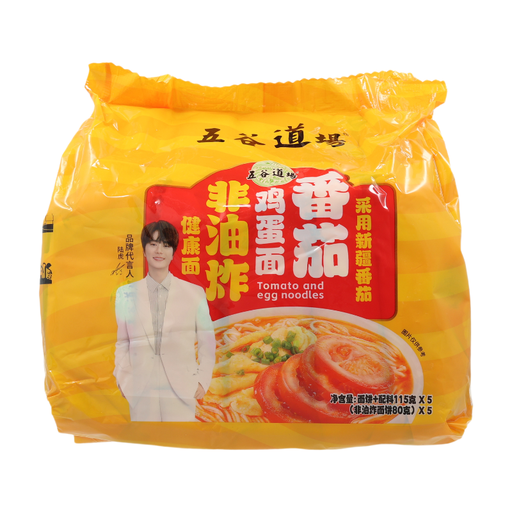
Why this suits the profile: Five individual portions of 98 grams are manageable for anyone wanting to try instant noodles without buying a large box straight away. The tomato and egg flavour is less specific than a very spicy variety.
The packaging states five portions, a preparation time of around 3 to 4 minutes, and the allergens wheat, soya and egg.
Non-fried wheat noodles, five individual packs and a clear preparation method.
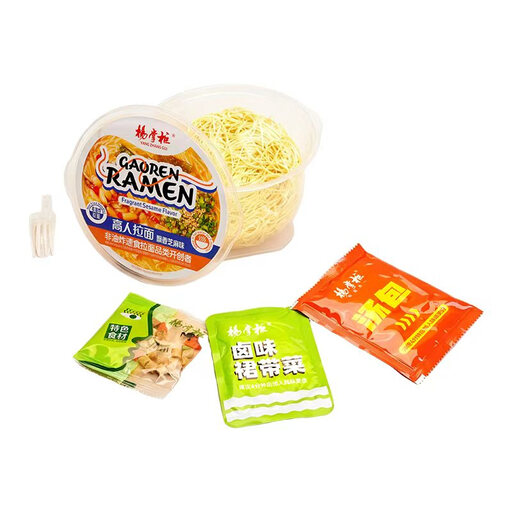
Why this suits the profile: This pot combines noodles, sauce, vegetables and a peanut pack. That suits users looking for multiple flavour and texture elements in one portion.
The product information explicitly lists gluten, sesame and peanut. This means you can check the allergens in advance rather than relying only on the flavour name.
Non-fried noodles, pot preparation and multiple flavour components. According to the product listing, this variety carries the halal food label; check the packaging for current certification information.
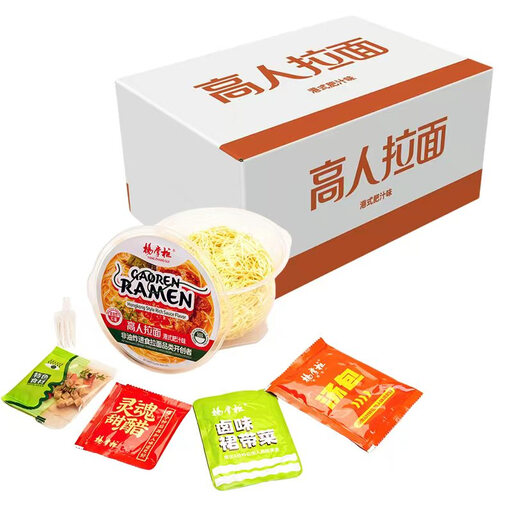
Why this suits the profile: A box of twelve pots is practical for a household, office supply or regular use. According to the product information, preparation takes 4 to 6 minutes.
The number of portions and total weight of 2,160 grams are clear upfront. The product information also lists the allergens wheat, soya and sesame.
Twelve individual pots, Hong Kong-style rich broth and preparation with hot water, no pan needed.
We've put together a full, up-to-date list of products that fully meet these strict selection criteria and comply with current European safety regulations.
Want to turn a quick pot of noodles into a more substantial dish? Then add ingredients that suit the type of noodle:
For those who cook from scratch more often, dried products such as Grand'Italia Penne All'Uovo, Sum & Sam Chinese Egg Noodles or Shou Tao Whole Egg Noodles might be more interesting than a pot. These products do require a pan and extra ingredients, but they offer more freedom with portions and preparation.
Open the pot, add the noodles and the indicated sachets, and pour in hot water up to the fill line. Close the pot and leave the noodles to stand, usually for 3 to 6 minutes. Always follow the preparation instructions on the packaging and stir well before eating.
The best-before date is on the packaging. Store unopened instant noodles in a cool, dry place, away from sunlight, heat and moisture. Do not use damaged packaging. Once opened or prepared, the product information recommends consuming it immediately.
That depends on the format and contents. A single pot often contains sauce, vegetables and several sachets, and is convenient on the go. A multipack can be better value per portion, while regular dried noodles are usually cheaper if you add your own stock, vegetables and toppings. So always compare the price per portion, not just the price of the pack.
