
Vandaag of morgen in huis

Kwaliteit gegarandeerd

Welkomstaanbiedingen ontgrendelen: GRATIS bezorging | Tot 80% korting | Gratis 30 dagen JoyPlus-proefperiode
Download de app
If you’re looking to buy instant noodles, you’ll quickly come across dozens of brands, flavours and pack sizes. The difference isn’t just in the colour of the packaging. Allergens, cooking method, portion size and the number of sachets all determine whether a product suits your needs.
For students, fans of Asian cuisine and households that want a quick meal, Asian instant noodles can be a practical choice. However, there are a few common pitfalls that often lead to a disappointing purchase.
A flame symbol, red colour or words like “hot” don’t always give a reliable indication of the heat. Samyang Buldak ramen and some Korean ramen are known for their pronounced chilli flavour, while a product with tom yum or chilli can also taste sour, spicy or savoury.
Instead, look at the product description and check whether the sauce or chilli powder is added separately. With some products, you can use only part of the seasoning to make the flavour milder.
A pack of five sachets might seem good value, but sachets vary in weight. A 5-pack of 70 g is not the same as a 5-pack of 140 g. Always check:
For occasional use, a small noodle multipack is often convenient. For a student house, catering or hospitality, a box of 20 or 30 pieces can be more practical. If you’re looking for instant ramen wholesale, it’s also worth considering storage space, turnover rate and allergen information.
“Shrimp”, “chicken” or “beef” doesn’t automatically mean there’s a large amount of that ingredient inside. The composition may contain flavouring, flavour enhancers or a small percentage of powder. According to the product information, the Indomie Shrimp variant contains 0.3% artificial shrimp flavouring, for example. MAMA lists shrimp powder and crustaceans in its allergen information.
So always read the ingredients list and allergens on the actual label. Product information online can change; the packaging you receive is what counts.
There’s a clear difference between noodle soup, dry stir-fried noodles and cup noodles. Indomie noodles such as Mi Goreng are drained after boiling and then mixed with sauce and seasoning. With soup noodles, the seasoning stays in the cooking water. A cup variant is usually designed for hot water and a few minutes of waiting.
Also check the amount of water needed and the cooking time. Nongshim Shin Ramyun uses around 550 ml of water and roughly 4.5 minutes of cooking time, according to the product information. MAMA variants can be prepared by adding hot water and waiting 3 to 4 minutes.
Many instant noodles contain wheat or gluten. In addition, soya, milk, celery, egg, fish, peanuts, sesame and crustaceans are common. Samyang Carbonara lists gluten, soya and milk, among others. Nongshim products may contain additional allergens depending on the variant, including fish or celery.
If you have an allergy, always check the current label. A product description is no substitute for the allergen information on the packaging. Also watch out for marketing terms like “vegetarian”: check the ingredients and cooking instructions before making a choice.
Instant noodles are mainly intended as a quick meal or snack. The nutritional value varies by brand and portion. In the product information provided, the energy content of various variants ranges from around 400 to 500 kcal per 100 g. The salt content also varies.
So compare the values per portion and per 100 g. Bear in mind that a sachet of seasoning or sauce is part of the total nutritional value. You can add vegetables, egg or other ingredients to the noodles, but follow the cooking instructions and store any leftovers safely.
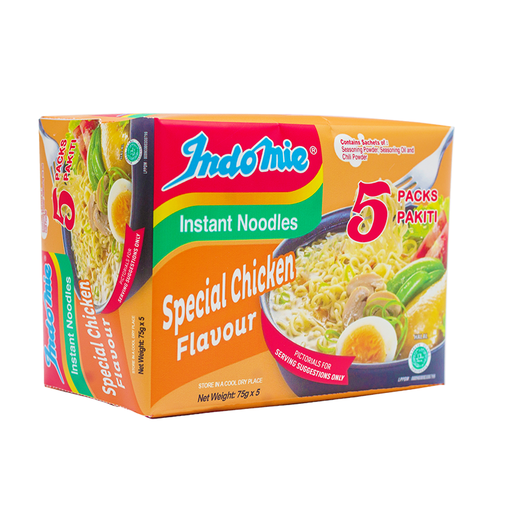
Why this fits the profile: A straightforward multipack with five portions for students, a small household or anyone wanting to try a classic chicken flavour first.
The number of packets and weight per sachet are clearly stated. The flavour is chicken, without you having to buy a large box straight away.
5 x 75 g; chicken seasoning; contains wheat and celery according to the product information.
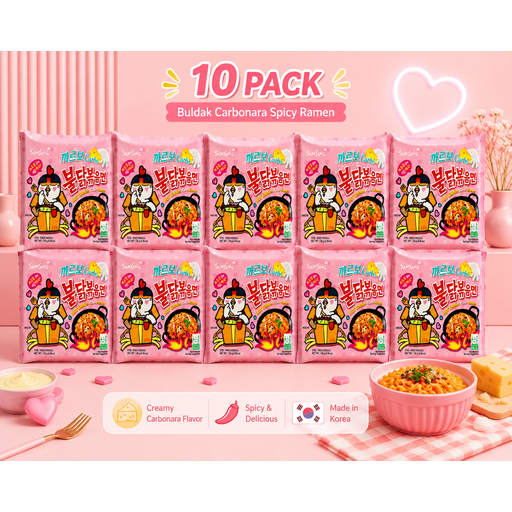
Why this fits the profile: For fans of a generous noodle portion with a creamy carbonara-style flavour profile and pronounced chilli.
The packaging states the portion size of 130 g and the allergens present. The seasoning can be added to taste according to the instructions.
10 x 130 g; powder with milk and mozzarella components; 423 kcal and 2.6 g salt per 100 g according to the product information.
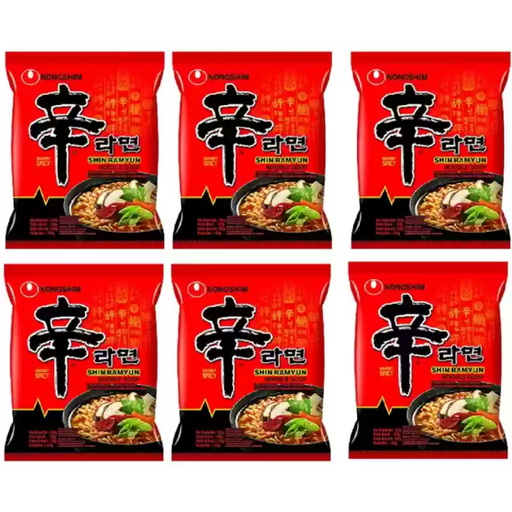
Why this fits the profile: A Korean ramen option for anyone looking for a full, spicy broth and a larger portion.
It’s a clear 6-pack with portions of 120 g. The cooking instructions mention around 550 ml of water and 4.5 minutes of boiling.
Korean origin; 6 x 120 g; broth with chilli, garlic and dried vegetables according to the product information.
For a larger stock, there are also boxes with 20 or 30 portions, such as Nongshim Kimchi, MAMA Shrimp or Acecook Tom Yum Shrimp. With quantities like these, pay extra attention to the best-before date, storage conditions and allergens. Store instant noodles in a dry, cool place away from direct sunlight. Do not use damaged sachets or cups.
We’ve put together a full, up-to-date list of products that fully meet these strict selection criteria and comply with current European safety regulations.
Follow the instructions on the packaging. Depending on the type, you add hot water to a cup, boil the noodles in a pan or drain them after cooking. With dry variants like Mi Goreng, the seasoning and sauce are mixed in after draining.
The relevant date is printed on the packaging. Store unopened products in a dry, cool place away from direct sunlight. Check the packaging when you receive it and do not use any product where a sachet is leaking or damaged.
That depends on personal preference and tolerance for chilli. Start with a variant where the chilli sauce or powder is separate, so you can adjust the amount. Also always check the allergens and cooking warnings on the label.
