
Vandaag of morgen in huis

Kwaliteit gegarandeerd

Welkomstaanbiedingen ontgrendelen: GRATIS bezorging | Tot 80% korting | Gratis 30 dagen JoyPlus-proefperiode
Download de app
Are you looking to buy instant noodles for a quick lunch, a simple evening meal, or to stock up for the office? The choice might seem straightforward at first. However, cup noodles, bowls and multi-packs vary greatly in flavour, portion size, preparation method and allergens.
A striking packet doesn't always tell the full story. So it's worth paying close attention to the information on the label and how you plan to use the noodles.
Product names with words like "spicy", "hot" or "fire" suggest a bold flavour, but they don't give a fixed measure of heat. A Korean ramen with chilli can taste quite different from spicy noodles with Thai herbs or a Chinese beef soup.
If you'd rather not take a risk, go for a chicken, miso or mild vegetable flavour. If you love strong flavours, look at Korean noodles such as Shin Ramyun, kimchi noodles or Samyang Hot Chicken. When in doubt, check the ingredients list for chilli, red pepper and spicy seasonings.
A cup of around 65 to 80 grams is handy for on the go, at school or as a snack. A bowl of roughly 100 grams or more usually contains a larger portion. A product description might call it a "filling meal", but the actual nutritional value and portion size are on the label.
Also note the difference between nutritional values per 100 grams and per portion. Some products list the salt content per 100 grams, while the whole pack contains more. If you eat instant noodles regularly, it's a good idea to compare labels across different products.
Cup noodles and ramen cups are usually designed for boiling water. A bowl may sometimes need a larger amount of water, for example 400 to 500 ml. Other varieties, such as udon noodles in a portable bowl, are meant for the microwave.
Never use a cup in the microwave unless it's clearly stated on the packaging. Always follow the preparation instructions on the actual product. Packaging and recipes can change; the information on the pack takes priority over an online product page.
A multi-pack of instant noodles isn't automatically better value. Compare the price per cup or per 100 grams, and check whether you'll use all the portions within the use-by date.
Most Asian instant noodles contain wheat and therefore gluten. In addition, soya, sesame, fish, shellfish, milk, peanuts and egg are common. This applies, for example, to:
Check the bold allergens on the packaging. "May contain traces of" is also relevant if you have an allergy. The name "chicken" or "beef" doesn't always tell you whether actual meat ingredients are present. For that, look at the ingredients list.
Most cup noodles are ready after about three to five minutes with boiling water. Some udon bowls need just two to three minutes in the microwave. Check:
A product with several sachets can offer more layers of flavour, but also requires more steps. For the office, a simple cup is often more practical than a bowl with sauce, oil and vegetable sachets.
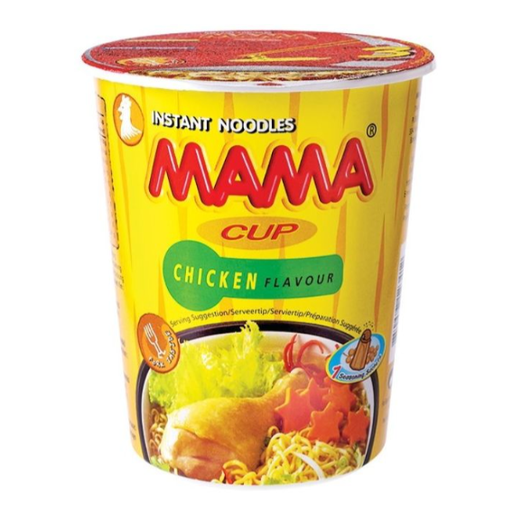
Why this fits the profile: The cup is straightforward and, according to the product instructions, is prepared with hot water in about 3 to 5 minutes. That makes it a good choice for a first taste of Asian instant noodles.
The preparation steps are clear: add seasoning, fill with boiling water and leave to stand. The cup is not intended for the microwave, so you can easily follow the instructions.
70 grams per cup, chicken seasoning, dried vegetables and preparation without a pan. According to the product information, this variant contains wheat and soya.
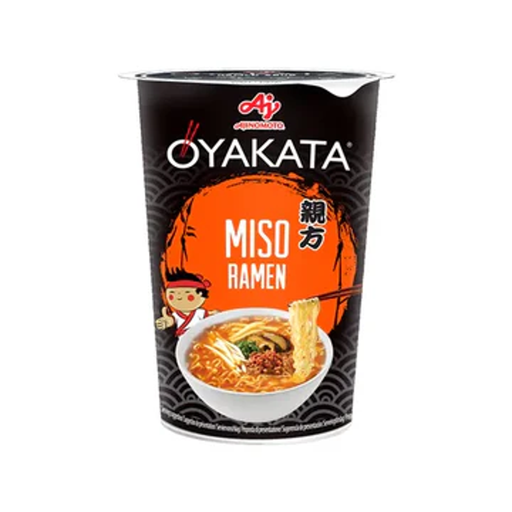
Why this fits the profile: This cup is aimed at fans of a savoury miso base and a Japanese ramen style, without having to buy a large pack.
The flavour direction is clearly stated as miso ramen. Do check the actual packaging if you want to avoid specific allergens.
66 grams per portion, miso base, dried vegetables and preparation with hot water. The product information lists wheat and soya as allergens.
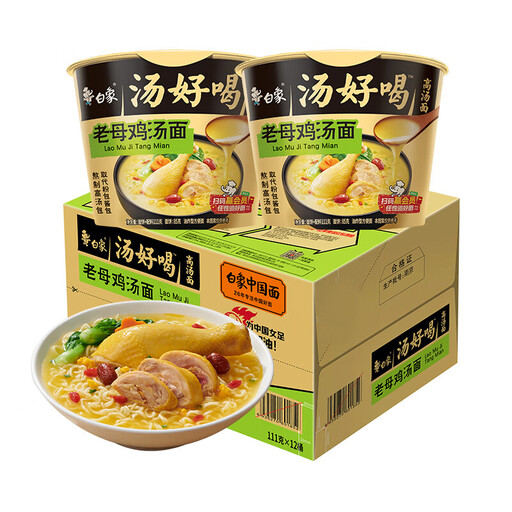
Why this fits the profile: The box contains 12 cups of 107 grams, making it suitable for a household, office or store cupboard where a quick meal is needed regularly.
The portion size and number of cups are clear upfront. You can calculate the price per cup rather than just looking at the box price.
12 individual cups of 107 grams, chicken soup flavour and, according to the product information, non-fried noodles. Contains wheat and soya.
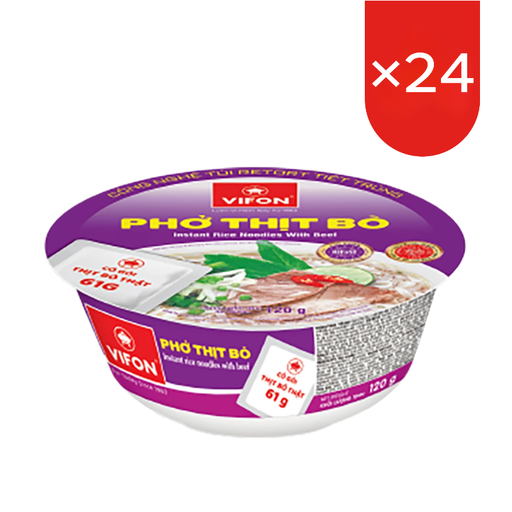
Why this fits the profile: This Vietnamese pho variant combines rice noodles with beef seasoning and is packed in 24 cups. That's practical for an office or a larger stock.
The product information mentions rice noodles and a preparation time of about 3 to 5 minutes. Check the salt content and allergens before buying in bulk.
24 packs of 60 grams, rice noodles, pho seasoning and beef flavour. The product information lists wheat gluten in the dried vegetables, among other things.
We've put together a full, up-to-date list of products that fully meet these strict selection criteria and comply with current European safety regulations.
A cup or bowl can be the base of a quick meal. Try adding spring onion, sweetcorn, pak choi, a boiled egg or leftover chicken. With spicy noodles, you might not need to use the whole seasoning sachet. For miso ramen or chicken noodles, mushrooms and spring onion work well with the existing flavour.
Bear in mind that extra ingredients will change the total preparation time and nutritional value. Store unopened products in a cool, dry place away from direct sunlight. Check the use-by date before use and don't use any packaging that is damaged.
Check the date on the packaging and follow the manufacturer's storage instructions. Keep instant noodles dry, away from heat and moisture. Once opened, seasoning or noodles can lose quality more quickly, so prepare an opened portion straight away.
Yes, as long as there's a kettle and a heatproof surface available. Check that the cup is prepared with boiling water and don't put it in the microwave. A resealable bowl or pot can be more convenient if you need more water or have several sachets to add.
That varies by product. Compare the price per cup or per 100 grams and take into account delivery costs and use-by dates. A box of 12 or 24 portions is especially practical when several people in the household or office will actually eat the noodles.
