
Vandaag of morgen in huis

Kwaliteit gegarandeerd

Welkomstaanbiedingen ontgrendelen: GRATIS bezorging | Tot 80% korting | Gratis 30 dagen JoyPlus-proefperiode
Download de app
Do you want to buy instant noodles, but feel overwhelmed by the sheer number of flavours, packaging types and preparation methods? On the Dutch market you’ll find Korean noodles, Thai instant noodles, Indonesian noodles, rice noodles and udon noodles, among others. The differences aren’t just about taste. Preparation time, allergens, portion size and salt content can also vary widely.
As a Joybuy Product Recommendation Officer, I filter product information based on practical points. That way, you can avoid buying an attractive-looking packet that doesn’t actually suit your eating preferences or the occasion you have in mind.
Terms like “hot”, “spicy” and “Buldak” give you a clear idea, but the experience differs from person to person. Some products come with separate sachets of chilli powder, chilli oil and sauce, so you can partly adjust the amount. With other varieties, the seasoning mix is already combined.
So always check the preparation instructions, and don’t automatically add all the sauce or oil at the start. Especially with spicy noodles like Samyang Buldak Carbonara or Sichuan-style wide noodles, the flavour can be intense.
Many instant noodles are ready after soaking for three to five minutes. Other products need to be boiled or drained well after soaking. Rice noodles and udon noodles also have a different texture to fried wheat noodles.
So check whether you need a bowl, pan, colander or extra cooking time. This is particularly important if you’re eating at the office, in a student room, or during a busy workday.
A product might look like a creamy, chicken, prawn or sesame variety, while the ingredients list also mentions milk, soya, wheat, celery, peanuts or shellfish. If you have allergies or intolerances, always check the actual packaging. Product information on a website can change, and the packaging may contain more details.
A halal logo must also appear on the packaging or product page. For example, when looking at a halal instant noodles multipack, check the specific certification information rather than just relying on the flavour name.
In the EU, the fourteen main allergens must be clearly labelled. Pay particular attention to gluten from wheat, soya, milk, sesame, peanuts, celery and shellfish.
Bamboo Tree Rice Vermicelli Bun Toui is described in the product information as gluten-free and contains rice, tapioca, water and salt according to the listed ingredients. Farmer Brand Rice Stick Noodle 3 mm lists rice flour as an ingredient and states that it contains none of the fourteen main EU allergens. Always check the packaging if you need to eat strictly gluten-free.
A sachet of 55 or 70 grams is mainly suitable as a snack or light meal. A multipack of five is more convenient if you regularly eat the same flavour. For households or store cupboards, larger packs – such as a box of twelve cups or a case of thirty sachets – are more practical.
Also compare the nutritional values per 100 grams rather than just per pack. In the product information provided, salt levels range from very low in some plain rice noodles to several grams in seasoned instant noodles. The seasoning sachets often determine a large part of the flavour and the salt content.
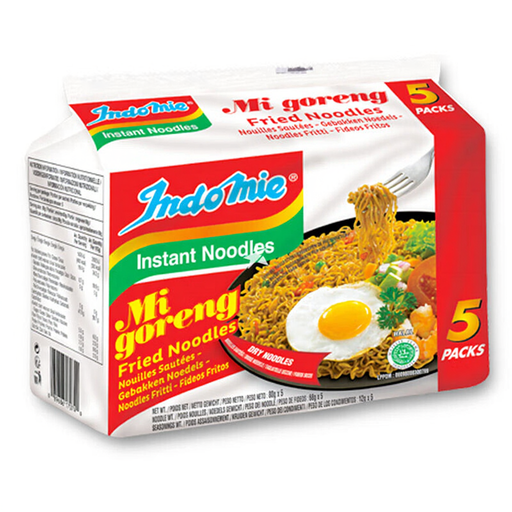
Why this fits the profile: A pack of five portions is a manageable way to try Indonesian noodles without committing to a large box. The noodles are soaked, drained and mixed with the included seasonings.
The preparation method clearly states that you drain the water. Do check the ingredients: this product contains wheat, soya and sesame.
5 x 80 grams; dry preparation without soup; separate oil, sauce and seasoning components.
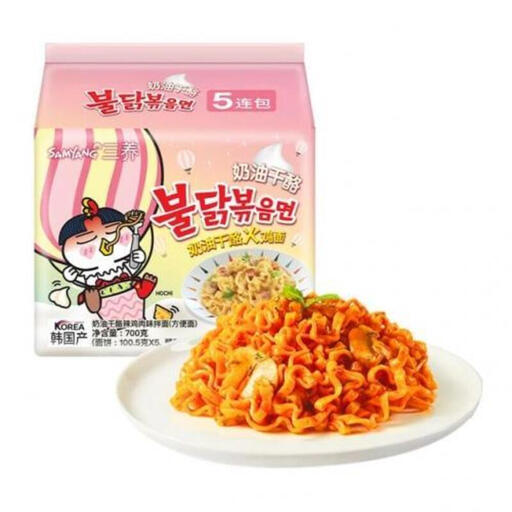
Why this fits the profile: These Korean noodles combine a creamy carbonara flavour with chilli and come as a multipack of five portions. According to the product information, this variety is halal certified.
The sauce and powder are added separately, so you can follow the preparation steps. Please note: this product contains gluten, soya and milk.
5 x 140 grams; cooking time of approximately 2.5 minutes according to the product instructions; halal mention in the product information.
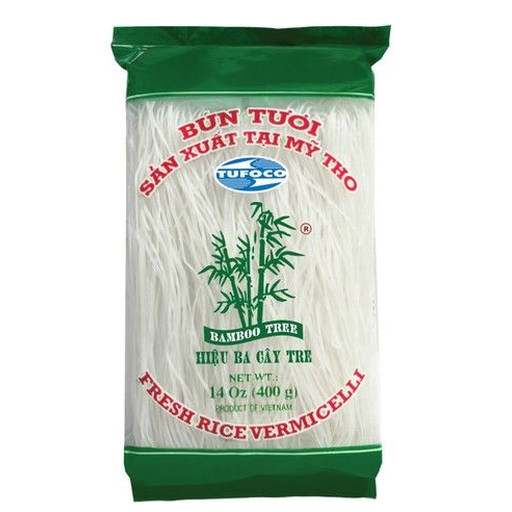
Why this fits the profile: This rice vermicelli is ideal for bun bowls, salads and other dishes where you add your own broth, herbs, vegetables or protein sources.
There is no pre-mixed seasoning sachet that you have to use. You decide the herbs and amount of salt yourself. Always check the current packaging with each purchase.
400 grams; gluten-free according to the product information; ingredients based on rice, tapioca, water and salt.
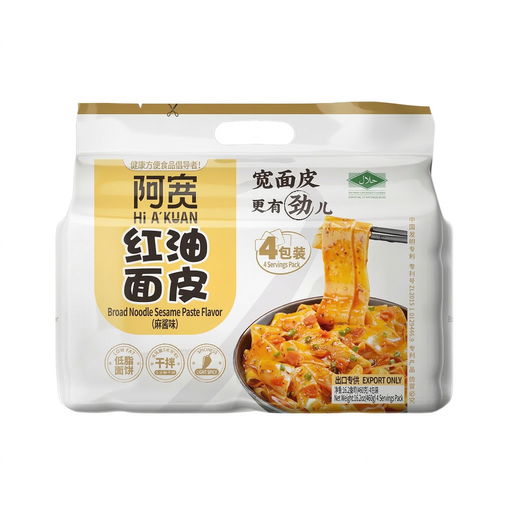
Why this fits the profile: The wide, chewy noodle sheets are designed for consumers who want more texture than thin ramen noodles offer. The pack contains individual portions.
The preparation instructions mention approximately 500 ml of boiling water and a resting time of four to five minutes. Allergens such as wheat, soya and sesame are listed.
460 grams; non-fried noodle sheets according to the product description; sesame paste, seasoning powder and chilli oil packed separately.
We’ve put together a full, up-to-date list of products that fully meet these strict selection criteria and comply with current European safety regulations.
Always follow the instructions on the packet. Usually you add boiling water and wait three to five minutes. With some ramen noodles, you need to boil the noodles in a pan. Mi Goreng is drained after soaking and then mixed with sauce and seasonings.
Store unopened packs in a cool, dry place away from direct sunlight. The exact best-before date is on the packaging. Once prepared, eat instant noodles straight away. Do not store cooked noodles if the packaging advises against it.
Not as standard. Many wheat noodles contain gluten. Only choose gluten-free rice noodles if this is clearly stated on the packaging, and also check for warnings about cross-contamination. Bamboo Tree Rice Vermicelli Bun Toui and Farmer Brand Rice Stick Noodle are listed as gluten-free options in the product information; check the current packaging before use.
