
Vandaag of morgen in huis

Kwaliteit gegarandeerd

Welkomstaanbiedingen ontgrendelen: GRATIS bezorging | Tot 80% korting | Gratis 30 dagen JoyPlus-proefperiode
Download de app
If you’re looking to buy instant noodles, you’ll quickly come across dozens of varieties: Korean ramen, Indonesian instant noodles, Chinese soup noodles and spicy sauces with flavours like chicken, cheese or carbonara. The packaging often promises an intense taste and quick preparation. Yet there are a few points where shoppers regularly make the wrong choice.
A striking image of chillies doesn’t automatically mean the flavour will suit you. Some spicy instant noodles combine heat with sweet, creamy or savoury notes. Samyang Buldak ramen, for example, often comes with a sauce you mix into the noodles, whereas standard chicken ramen is mainly broth-based.
So look at the flavour description and preparation method. If you want soup, choose a product with a soup base. For a drier, more intense meal, stir-fry noodles are a better fit.
A multipack may seem good value, but the number of portions and the weight vary considerably. Five packets of 130g are not comparable to five packets of 75g. Always check:
For a student or a small household, a five-pack can be more practical. If you eat noodles regularly or want to stock up for several people, you might consider a bulk pack of instant noodles.
Instant noodles often contain wheat and soya. Creamy varieties may also include milk ingredients. Some products also mention celery, sesame or possible traces of other allergens. So read the label on the packet you receive, especially if you have a food allergy.
Also check the best-before date and storage instructions. Products should generally be stored in a dry place at room temperature, away from heat and direct sunlight. If there’s an offer with a short shelf life, it’s wise only to order what you’ll use within that period.
First, decide what you’re looking for:
Also check whether you need to drain the water. With some Buldak varieties, you cook the noodles, drain most of the water, then stir the sauce through. With soup noodles, the cooking water remains part of the dish.
A packet of 130g to 145g is generally a more generous individual portion than a packet of 70g to 75g. A box of 30 or 40 packets is especially interesting for heavy users, shared households or a store cupboard with plenty of space.
Don’t just look at “5-pack” or “full case”; check the exact contents. For example, the Samyang Habanero Lime pack contains five packets of 135g, totalling 675g. The Bai Xiang chicken noodles are available as a five-pack, but also as a box of twelve packets.
The nutritional values vary by recipe. In the product information provided, for example, the values range from around 392 to 550 kcal per 100g, depending on the product and packaging. The salt content also varies considerably.
Use the nutrition table to compare products, but don’t treat it as a health assessment. In particular, check for:
The information on the packaging is what counts. Product packaging and ingredients may be updated.
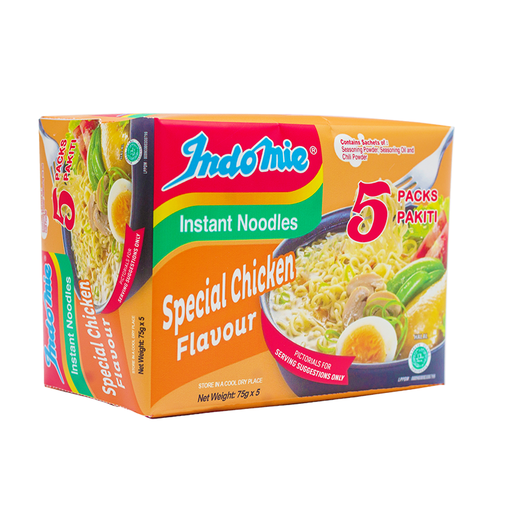
Why this fits the profile: The five-pack with 75g portions is straightforward for anyone trying Indonesian instant noodles for the first time or who doesn’t want to buy a large stock straight away.
The number of packets and weight per packet are clearly stated. The chicken seasoning is less focused on extreme heat than many fire chicken varieties.
Five individual portions, chicken flavour and an EU pack with allergen information based on wheat.
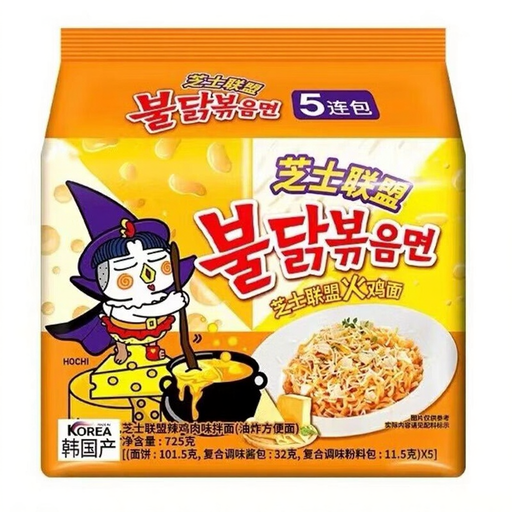
Why this fits the profile: This choice is aimed at fans of Korean ramen who want a hearty noodle, spicy sauce and a distinct cheese element.
The product information lists both the spicy sauce and the cheese and milk ingredients. This means you can check the flavour profile and allergens in advance.
Five portions of 145g; the product contains mozzarella cheese powder and a separate sauce component, among other things.
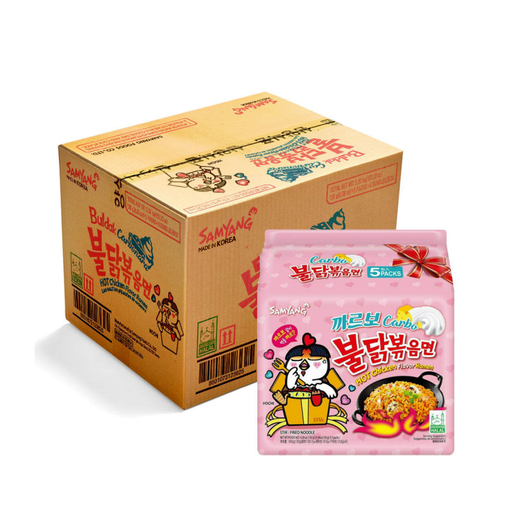
Why this fits the profile: A box of forty packets suits households, offices, student houses or fans who often make carbonara ramen.
The contents aren’t hidden behind just a multipack label: it’s 40 packets of 130g. Just check that you can use the stock in time.
Large stock, hearty noodles and a preparation method with sauce and powder for a creamy-spicy result.
We’ve put together a full, up-to-date list of products that fully meet these strict selection criteria and current European safety regulations.
Always follow the instructions on the packet. With a soup variety, you usually add boiling water and leave the noodles to stand for a few minutes. With stir-fry noodles, you cook the noodles first, drain most of the water, then stir the sauce through. If using a microwave, only use a packet that’s suitable for it and take note of the stated wattage.
Feel free to add vegetables, egg or spring onion as a flavour accent. Bear in mind that extra ingredients will change the total nutritional value and portion size.
The shelf life varies by product and batch. Check the best-before date on the packet. Store unopened noodles in a dry place at room temperature, away from direct sunlight. If the shelf life is short, a smaller multipack is often more practical than a bulk pack.
“Ramen” usually refers to Japanese or Korean noodle products, but the exact recipe varies by brand. Korean ramen often has thicker noodles and a powerful sauce. Ordinary instant noodles, such as some Chinese or Indonesian varieties, may have a lighter soup base or dry seasoning instead.
That depends on your taste and tolerance for hot spices. The label “spicy” doesn’t indicate a standardised level of heat. If in doubt, start with a chicken or cheese flavour product and don’t use all the sauce at once. Also always check the ingredients and allergens on the label.
