
Vandaag of morgen in huis

Kwaliteit gegarandeerd

Welkomstaanbiedingen ontgrendelen: GRATIS bezorging | Tot 80% korting | Gratis 30 dagen JoyPlus-proefperiode
Download de app
Are you looking to buy instant noodles for a quick meal at home, in the office or during a study session? The choice might seem straightforward, but packaging can hide important differences. A bowl described as “rich broth” tells you very little about the salt content, while “extra large” doesn’t automatically mean the portion will suit your appetite.
When it comes to Asian instant noodles, pay particular attention to three common pitfalls:
The net weight gives you a better comparison than the size of the packaging. The Bai Xiang Chicken Noodle Soup contains 107 grams, while the NongShim Big Bowl Tempura Udon Soup contains 111 grams. A larger package can therefore mean more space for the bowl, not necessarily a much bigger meal.
Also look at the preparation method:
For a busy morning or office environment, ramen noodles with a short preparation time can be practical. If you’re after more texture, look at udon instant noodles, which are generally thicker and firmer.
The ingredients list will tell you whether the noodle cake contains palm oil, for example, and how the product is made. Lamianfan Spicy and Sour Beef Noodles and Lamianfan Lanzhou Beef Noodles are described in the product information as non-fried noodles. That’s a verifiable product characteristic, but it doesn’t in itself mean the meal is better suited to every diet.
Also compare the nutritional values per 100 grams. Examples from the available product information:
These values aren’t directly comparable to a full bowl, because the net weight and preparation method differ.
For fans of Chinese instant noodles, chicken broth, pork bone broth, Lanzhou-style beef and spicy-sour broth offer different directions. With Korean ramen, you’ll more often encounter bold spices, chilli and savoury broths. According to the product description, NongShim Tempura Udon has thick noodles and a broth with bonito extract. The product contains fish and wheat among other ingredients.
If you’re looking for instant noodles with chicken, you could consider the Bai Xiang Chicken Noodle Soup. For instant noodles with beef, there are the two Lamianfan varieties among others. With the spicy options, look out for ingredients such as chilli, pickled ginger, mustard greens and sesame. “Spicy” is also a flavour description; the actual intensity can be experienced differently by each person.
A good noodle soup in a bowl shouldn’t just look nice. Pay attention to capacity, lid, ease of handling and maintenance. A bowl with a lid is practical for steeping, but check whether the manufacturer provides information about microwave, oven and dishwasher use. With ceramic, these properties are sometimes explicitly stated; with stainless steel, different usage rules apply.
A bowl of 1.2 litres offers room for soup, noodles and extra ingredients. A 1.5 litre model is more interesting if you like to add vegetables, egg or dumplings. Also check the dimensions, because deep ramen bowls can take up more cupboard space than shallow ones.
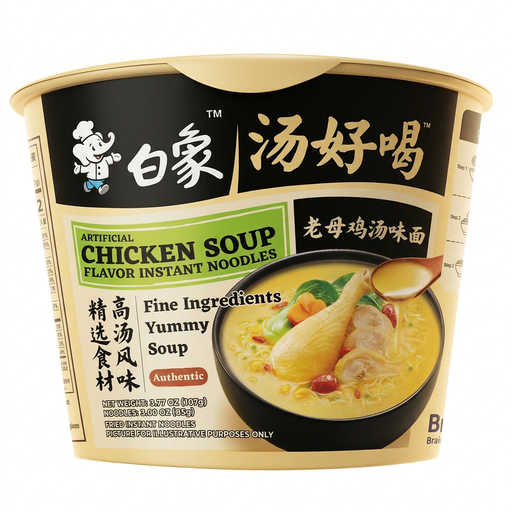
Why this fits the profile: A straightforward bowl portion with a familiar chicken broth flavour and a clear preparation time of 4-5 minutes.
The weight, ingredients, allergens and nutritional values are listed in the product information, so you don’t have to rely solely on the front of the packaging.
107 grams; chicken broth flavour according to the product description; bowl packaging for home, work or on the go.
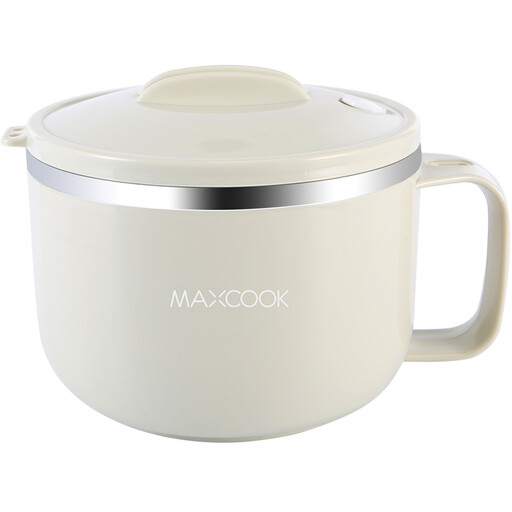
Why this fits the profile: Aimed at those looking for a reusable ramen bowl with a lid and room for a generous portion.
The 1.2 litre capacity is more concrete than a vague description like “extra large”. Do check the specific care instructions before purchase.
304 stainless steel according to the product name; 1.2 litre capacity; supplied with a lid.
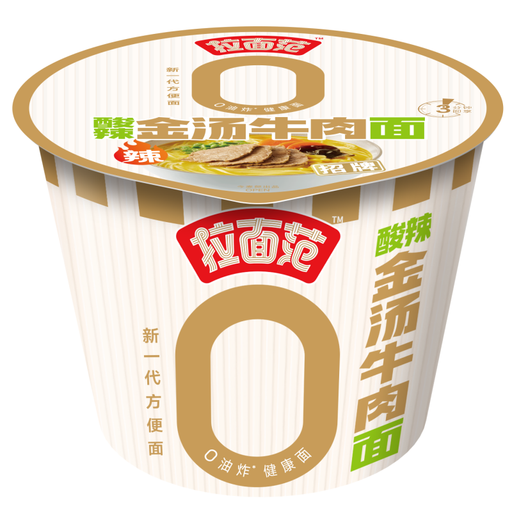
Why this fits the profile: For those who want a spicy-sour flavour, consider non-fried noodles important and like to add extra ingredients.
The product information lists the three sachets, the 3-minute preparation time, the weight and allergens such as wheat, soya and sesame.
128 grams; non-fried noodles according to the product description; vegetable sachet and soup sachet included.
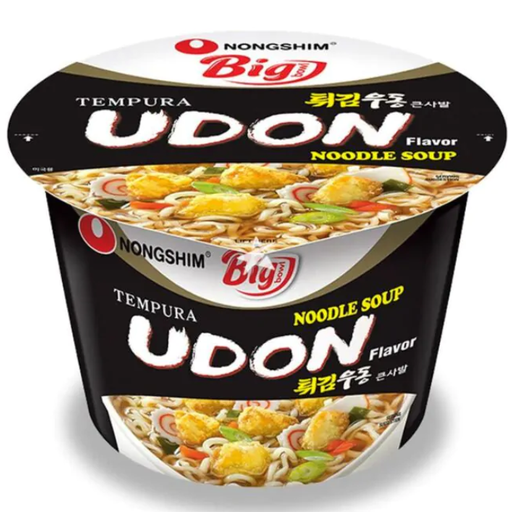
Why this fits the profile: A practical choice for those who want thick udon noodles, seaweed and a broth with bonito extract all in one bowl.
The product description mentions the noodle style, fish ingredients and nutritional values. This allows you to assess flavour and allergens in advance.
111 grams; thick udon noodles according to the product description; tempura, seaweed and spring onion elements mentioned.
We’ve put together a full, up-to-date list of products that fully meet these strict selection criteria and comply with current European safety regulations.
Place the noodle cake and any vegetable or seasoning sachets in the bowl. Add boiling water up to the indicated line, cover the bowl and wait for the time stated on the packaging. With some varieties, you add the soup base only afterwards. Do not use a microwave unless it is explicitly stated on the packaging or bowl.
The best-before date is on the packaging, often on the lid or the underside of the bowl. Store instant noodles in a cool, dry place, away from direct sunlight and moisture. Do not use a packet if it is damaged, and check the date again before stocking up.
A bowl can work out more expensive due to the packaging and convenience: you don’t need a separate dish. A packet can be more interesting if you buy several portions at once and use your own pan or noodle bowl at home. So compare the price per portion, the net weight and the included ingredients.
