
Vandaag of morgen in huis

Kwaliteit gegarandeerd

Welkomstaanbiedingen ontgrendelen: GRATIS bezorging | Tot 80% korting | Gratis 30 dagen JoyPlus-proefperiode
Download de app
Instant noodles are handy for a quick lunch, a simple evening meal or as a store-cupboard staple. However, Asian instant noodles vary widely in preparation, portion size, ingredients and flavour intensity. A striking packet or a term like “extra spicy” doesn’t always tell you what you’re actually buying.
If you’re looking to buy instant noodles with purpose, it’s worth first recognising three common pitfalls.
A pot or bag weighing 110 g isn’t automatically a full meal for everyone. Check the net weight and see whether the nutritional values are given per 100 g or per portion. A multipack, for example 4 x 110 g, makes it much clearer how many individual meals you’re getting.
For families or people who eat noodle soup more often, a pack containing 5 or 12 portions can be more practical. A large pack is only good value if you use the noodles within the stated shelf life.
Japanese soba noodles are traditionally made with buckwheat. However, with some instant varieties, the noodle is largely or entirely made from wheat. Nissin Soba Teriyaki, for example, states that the noodles in this product are made from wheat. So if you’re specifically after the taste or texture of buckwheat, you must always read the ingredients list.
The difference is also important with rice noodles and glass noodles. Rice sticks are usually made from rice flour and water, whereas vermicelli is often made from mung bean starch. This affects the texture and how you prepare them.
“Spicy” can refer to chilli, Sichuan pepper, oil or a combination of these. Sichuan noodles often deliver not just heat, but also a tingling or numbing sensation in the mouth thanks to Sichuan pepper. Also check the nutritional information. In the product details, salt values per 100 g can vary noticeably.
With many products, the seasoning, oil, sauce and vegetables come in separate sachets. This means you can start with just part of the spicy oil or seasoning powder. That makes the flavour much more adjustable than if everything is already mixed in.
Start by choosing based on the texture you want:
Check whether you need boiling water, a pan or a microwave. Many pot products are suitable for preparation with hot water, whereas wok noodles are usually boiled for about two minutes and then drained. Dry broad noodles may need soaking for five to six minutes.
Always follow the instructions on the packet. Some products need to be drained after soaking before the sauce is added. Other varieties are intended to keep the cooking water as a base for noodle soup.
Wheat, soya, sesame, peanut, milk, egg and shellfish are common in seasonings. So read the label carefully, especially if you have allergies or if you’re looking for vegetarian instant noodles. “Vegetarian” should not be assumed from the product name alone; check the ingredients and allergen information.
Also note the difference between dry noodles and prepared values. The stated nutritional information may apply per 100 g of the dry product or per prepared portion. The packaging of the product you receive is the definitive guide, as labels and ingredients can change.
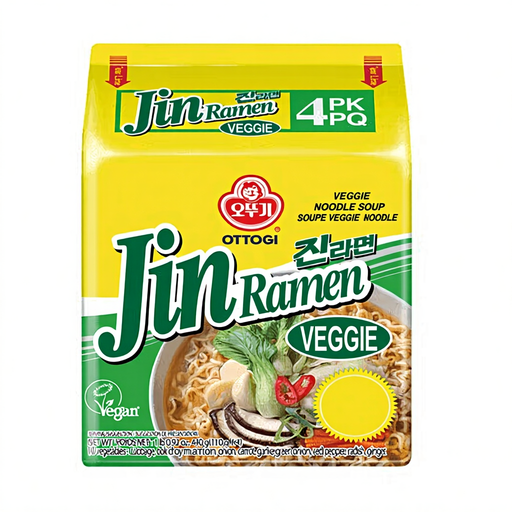
Why this fits the profile: This multipack gives you four separate portions for lunch, dinner or stocking up a student kitchen. The product description mentions noodles, soup base and dried vegetables all in one pack.
The number of portions and the weight are clearly stated. Do check the allergens before purchase: the product information lists wheat and soya, with possible traces of other allergens.
Four portions per pack; vegetarian product variant according to the product name; suitable as noodle soup.
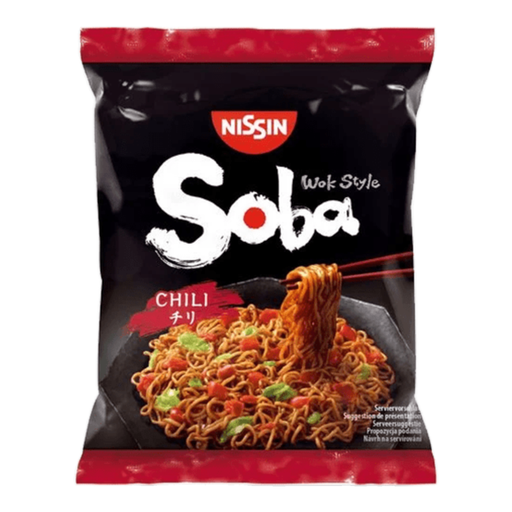
Why this fits the profile: For anyone after a specific Japanese style and chilli flavour. The product information lists wheat and buckwheat flour and a portion size of 110 g.
The ingredients make it clear that buckwheat is present. Still check the preparation instructions and allergens: gluten and soya are listed.
Buckwheat in the noodle base; chilli flavour; bag pack of 110 g; according to the product description, free from artificial colours and preservatives.
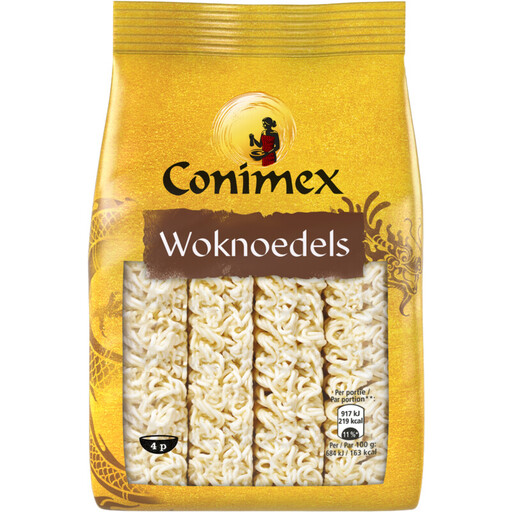
Why this fits the profile: This pack is designed as a base for a stir-fry and, according to the product information, serves 3 to 4 people. That suits families or anyone preparing multiple meals.
The intended use is clear: boil for two minutes, drain and add to a stir-fry. So it’s not a product you’d accidentally use as a ready-to-eat noodle soup.
248 g per pack; ready in two minutes; vegetarian according to the product description; made in the Netherlands according to the stated information.
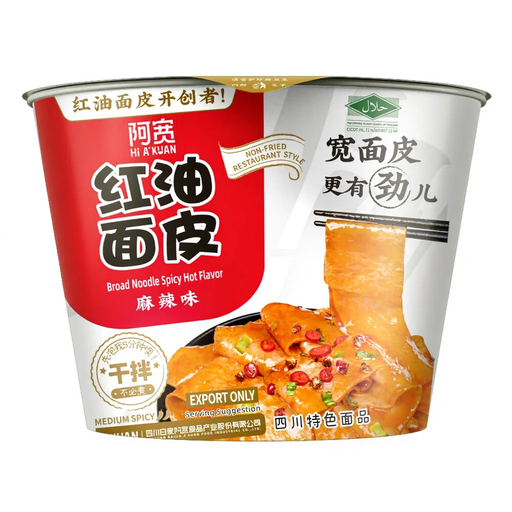
Why this fits the profile: The broad, thin wheat noodles are combined with chilli oil and Sichuan pepper. The instructions ask for five to six minutes of soaking, then draining and mixing.
The sauce and oil are separate, so you can adjust the amount. The allergen information lists wheat, soya, sesame and mustard.
Broad noodle texture; separate chilli oil, vinegar and seasoning sachets; preparation without a pan according to the product instructions.
We’ve put together a full, up-to-date list of products that fully meet these strict selection criteria and comply with current European safety regulations.
It varies by product. With instant ramen, you usually pour boiling water over the noodles and leave them for a few minutes. Wok noodles are often boiled briefly and then drained. With dry noodles that come with a sauce, you sometimes need to remove all the water before adding the seasonings. Use the preparation method on the packet as your guide.
Check the best-before date on the packaging and store unopened products in a dry, cool place away from direct sunlight. Multipacks and large bags are convenient, but don’t buy more than you can reasonably use within a reasonable time. Once opened, seal the packaging well. Do not use a product with damaged packaging.
That depends on the portion size and what you add. A portion of noodles mainly provides carbohydrates and often comes with a seasoning that is relatively high in salt. Add vegetables, egg, tofu or another suitable topping if you want a more substantial dish. For vegetarian or halal choices, always check the current ingredients list and allergens on the label.
