
Vandaag of morgen in huis

Kwaliteit gegarandeerd

Welkomstaanbiedingen ontgrendelen: GRATIS bezorging | Tot 80% korting | Gratis 30 dagen JoyPlus-proefperiode
Download de app
Need a quick, warm meal after a long day? Instant noodles are often the first thing that comes to mind. But anyone searching online for buy instant noodles is met with an overwhelming selection. The packaging promises a feast, but the reality can sometimes be a disappointment. As a Joybuy Product Recommendation Officer, I'll help you see through the marketing fluff and make the right choice.
Before you fill your digital shopping cart, it's wise to consider a few common pitfalls:
quick meal.To avoid a bad purchase, it's helpful to focus on a few objective characteristics. These specifications are usually listed right on the packaging or in the product description.
Not all instant noodles are created equal. The preparation method and noodle type define the experience.
noodle soup.Japanese noodles like soba (buckwheat) or udon (thick wheat noodles). These often have a different texture and are sometimes prepared as a stir-fry instead of a soup.Look beyond generic terms. Search for specific ingredients that define the flavour profile.
Korean ramen is known for its spicy and sour flavours, often from gochujang (chilli paste) and kimchi. Spicy noodles from Japan or China often use chilli oil or Sichuan pepper for a different kind of heat.Always check the net weight. A portion under 80 grams is typically a snack. From 100-130 grams, you can consider it a light meal, especially if you add some ingredients yourself.
Below are some popular choices, tailored to different needs and preferences. This selection is based on their product specifications.
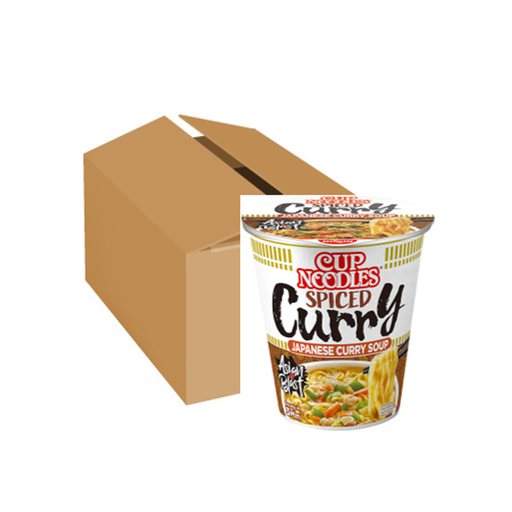
Why This Fits Their Persona: Perfect for students or young professionals seeking a reliable, quick, and flavourful snack. No fuss with pots and pans, ready in 3 minutes.
The "Japanese Curry" flavour is specific and recognisable. As a cup variant, the expectation is clear: a simple, quick noodle soup without the extras from the serving suggestion.
A classic from Nissin noodles. The mild, savoury curry broth is approachable, and the 67-gram portion is suitable for a snack.
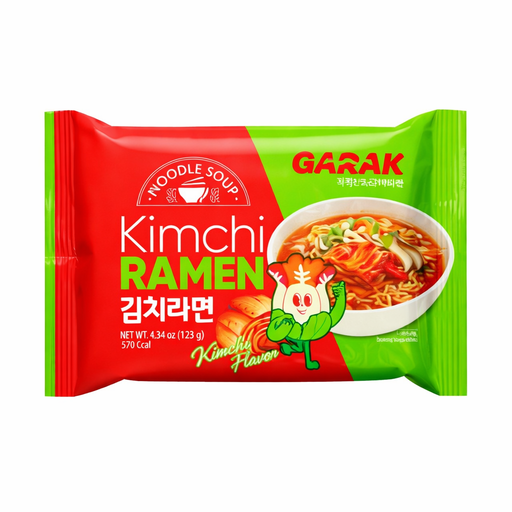
Why This Fits Their Persona: For those looking for an authentic Korean ramen experience with a robust, spicy, and sour kick. This is more than just a simple snack.
The name "Kimchi Ramen" is very specific. It promises the characteristic flavour of fermented cabbage, which avoids the vague "spicy" pitfall. The package also contains flakes of dried kimchi.
A generous portion of 130 grams that can serve as a full meal. The noodles must be cooked in a pan, which provides an opportunity to add your own extras.
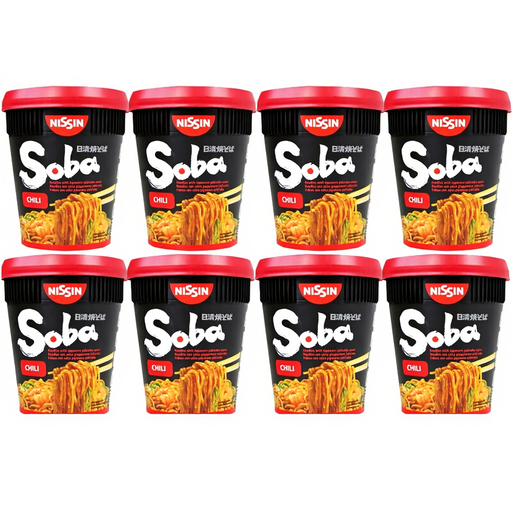
Why This Fits Their Persona: For those who want something different from the standard noodle soup. This cup combines the convenience of instant noodles with the unique taste and texture of Japanese yakisoba (stir-fried noodles).
This product specifies "Soba" and "Chilli," letting you know you're getting buckwheat noodles with a spicy sauce, not a soup. The unique strainer lid makes the preparation method clear.
A complete stir-fry meal in a cup, including a sachet of sauce and dried vegetables. The soba noodles offer a firmer bite than standard ramen.
We have compiled a complete, up-to-date list of products that meet these strict selection criteria and comply with current regulations.
The easiest way to upgrade your noodle meal is by adding fresh ingredients. Think of a soft-boiled egg, some finely chopped spring onions, or a handful of bean sprouts. For extra texture and flavour, you can also use ready-made toppings, like the Fan Sao Guang Crispy Shredded Vegetables.
Although the names are similar, there are differences. Japanese noodles or ramen often have a broth that has simmered for hours, with subtle flavours like miso, shio (salt), or tonkotsu (pork bone). Korean ramen (ramyeon) is known for a more direct and often spicier flavour, with a base of chilli and frequently kimchi. The noodles in Korean varieties are also typically a bit thicker and firmer.
That depends on the portion size and your appetite. A standard 60-70 gram cup is usually not enough for a full dinner but works well as a lunch or snack. For a more filling meal, it's better to choose a larger pack (100 grams or more) and supplement it with vegetables or a protein source.
