
Vandaag of morgen in huis

Kwaliteit gegarandeerd

Welkomstaanbiedingen ontgrendelen: GRATIS bezorging | Tot 80% korting | Gratis 30 dagen JoyPlus-proefperiode
Download de app
A cup of instant milk tea is quick to prepare, but not every product works the same way. Some packs contain only milk tea powder, while others include a sachet of sugar and a topping. Portion sizes, sweetness levels and preparation methods also vary considerably. If you only look at an attractive packet or the term bubble tea, you could end up choosing a product that doesn't suit your everyday needs.
Many products are based on creamer, sugar, tea extract or instant tea powder, and milk solids. That’s quite different from a drink made solely with fresh milk and tea. So always check the ingredients list and look out for allergens such as milk and sometimes soya.
The amount of tea also varies from product to product. The 3:15PM Sun Moon Lake Milk Tea, for example, lists 15% black tea and 4% oolong tea. Other varieties simply state “instant black tea powder” or “matcha powder” without giving a comparable percentage.
If you’re looking for milk tea with tapioca pearls, you might expect chewy pearls. However, some products contain coconut jelly, red beans or mango pudding. The JENI PLAYB Bubble Tea Cups include tapioca pearls, while several Xiang Piao Piao cups come with a separate sachet of coconut jelly.
So check before you buy:
A product designed for 150 ml of hot water will be much more concentrated than a mix for 350 ml. Too much water can result in a weak drink; too little water makes the flavour sweeter and fuller. For cold preparation, you may need hot water first to dissolve the powder.
Follow the instructions on the label. Some products require water at a minimum of 85 °C. Also, don’t use milk instead of water with an instant mix unless you’ve first checked that the powder is intended for that.
For a classic Taiwanese milk tea, original, taro or wheat varieties suit a creamy, sweet taste. A Japanese milk tea often has a more pronounced black-tea character and a softer milk profile. According to the product information, Nittoh Royal Milk Tea uses black tea, milk solids and individual sachets.
If you prefer a fresher or more floral option, look at:
Bear in mind that terms like “premium”, “authentic” or “rich flavour” can be marketing language. Base your choice mainly on the ingredients, amount of tea, portion size and preparation instructions. Descriptions about brand performance come from the brands themselves and are not automatically independently verified product features.
A box with lots of individual sachets is handy for the office or daily use. Xiang Yue Milk Tea Taro Flavor, for example, contains 30 sachets of 22 grams, while Goldkili Milk Tea is sold as a 180-gram pack. A cup of 64 to 85 grams is a good way to try a flavour first.
Don’t just compare the price of the pack; also compare:
The nutritional values on the pack are usually given per 100 grams of powder or product. That isn’t always the same as one prepared cup. So check the serving size when you’re comparing products side by side.
Instant milk tea can contain milk powder, sodium caseinate, whey protein or non-dairy creamer. “Non-dairy creamer” doesn’t automatically mean the product is free from milk. Read the allergen information carefully, especially if you have a milk or soya allergy.
Also look out for sweeteners, preservatives and colourings. The information on the product page is a useful first check, but the packaging remains the definitive source for the current ingredients list, shelf life and legal labelling.
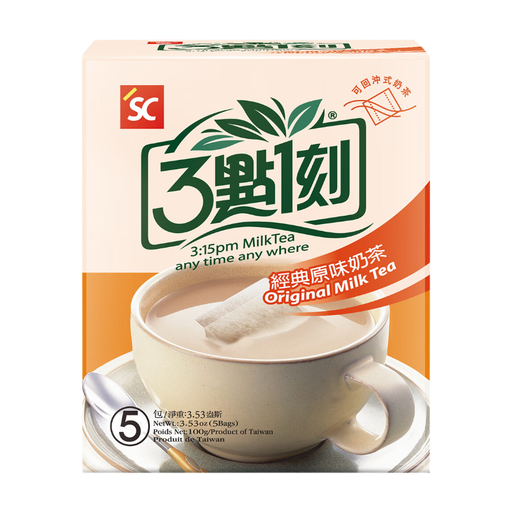
Why this fits the profile: The pack contains five sachets of 20 grams each. That makes it easy to try a classic instant milk tea first without buying a large stock straight away.
The portions are clearly defined and there’s no loose topping that could unexpectedly be missing. Do check the listed allergens: milk and soya.
Five individual sachets; preparation advice of around 150–180 ml hot water; suitable for home or the office.
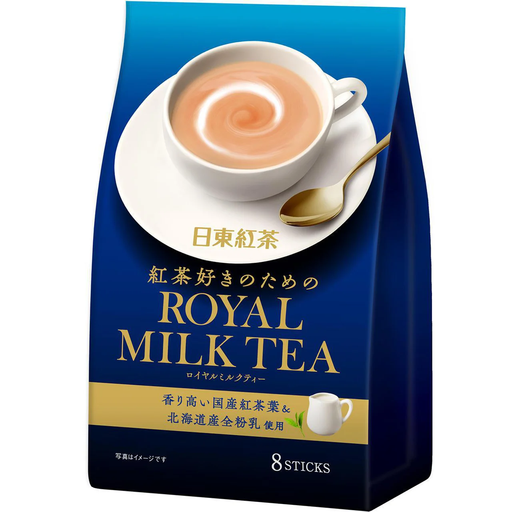
Why this fits the profile: The individual sachets are practical for anyone who wants to store and take along a Japanese milk tea with a clear tea component.
The portions are stated per sachet. The ingredients list mentions milk and soya, which avoids confusion around creamer and allergens.
Individual pouches; black tea as an ingredient; 59 kcal per sachet according to the product information.
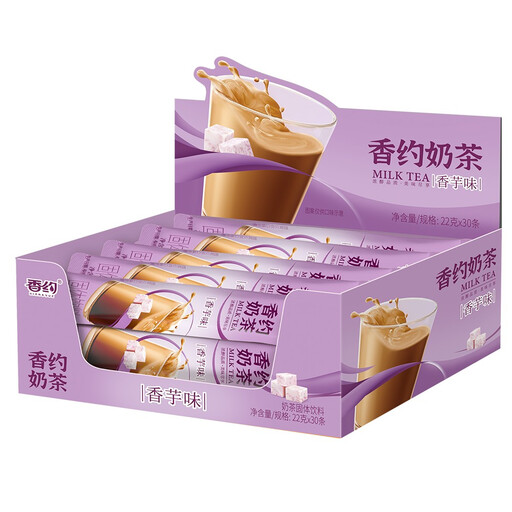
Why this fits the profile: The large pack with 30 servings suits households, student houses or offices where taro milk tea is made regularly.
The number of servings and the amount of water are clearly stated. No topping is included, so you know exactly what you’re buying.
30 individual servings of 22 grams; prepared with 150 ml hot water; ideal for keeping in stock at home or the office.
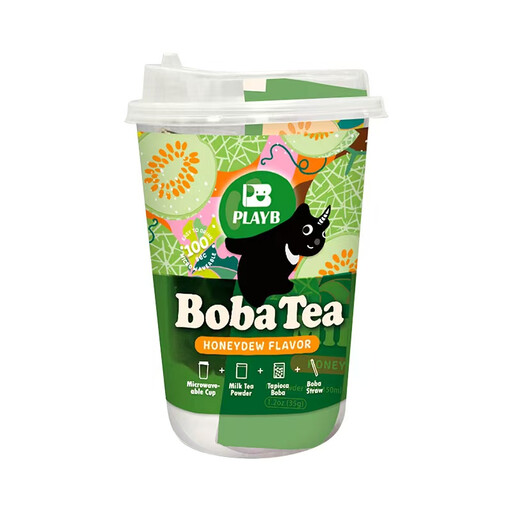
Why this fits the profile: This cup combines honeydew milk tea powder with tapioca pearls and is designed for those who care more about the topping than a large bulk pack.
The product information lists tapioca starch in the topping. This makes it clear that it’s not a plain milk tea without extra texture.
Tapioca pearls included; honeydew flavour; net weight of 85 grams; suitable as a single serving.
We’ve put together a full, up-to-date list of products that fully meet these strict selection criteria and comply with current European safety regulations.
First, check the instructions on the pack. Many powders are prepared with around 150 ml of hot water, while some artisan-style varieties use 350 ml. Add the powder, sugar and any toppings as directed, and stir until the mixture has dissolved.
You can with products that explicitly say so. With Xiang Piao Piao Jasmine Flavor Milk Tea, for example, you first use 80 ml of hot water and then add ice. Don’t automatically use cold water, as the powder may not dissolve as well.
According to the product information, unopened products can often be stored for around twelve months, but the date on the pack is what matters. Store milk tea powder in a cool, dry place away from direct sunlight. A prepared drink and opened toppings are best used straight away.
