
Vandaag of morgen in huis

Kwaliteit gegarandeerd

Welkomstaanbiedingen ontgrendelen: GRATIS bezorging | Tot 80% korting | Gratis 30 dagen JoyPlus-proefperiode
Download de app
A sachet of instant milk tea might seem straightforward: add hot water, stir, and you're done. Yet products vary greatly in flavour, portion size, sugar content, toppings and preparation. If you only look at an attractive packet or the word "authentic", you could end up buying something that doesn't suit your preferences.
These pointers will help you make a more targeted choice from milk tea powder, bubble tea and other varieties.
A box may contain a lot of grams, but the portion size differs from product to product. A 250 g packet, for example, might yield around 7 to 8 cups, whereas individual sticks have a fixed amount per serving. So compare:
For an office or family, individual sachets are handy. If you regularly make milk tea at home, a larger bag of milk tea powder gives you more flexibility with your own dosing.
Many instant drinks contain a non-dairy creamer made with ingredients such as glucose syrup, vegetable oil and sodium caseinate. The latter is a milk protein and doesn't automatically mean the product is vegan. Always check the ingredients and allergens on the packet.
If you want a plant-based drink, look for a clear statement that the product contains no animal ingredients. Still check the actual packaging, especially if you have allergies or food intolerances.
A cup with coconut jelly or a bubble tea kit with tapioca pearls adds more texture, but it's not always just a case of adding hot water. Tapioca pearls usually need to be prepared according to the instructions. Some products require boiling; others just need hot water.
Also pay attention to the portion of toppings. A drink with syrup, sugar and jelly can be significantly sweeter than plain instant tea. With children, it's wise to supervise when a product contains pieces or pearls.
For most instant milk teas, the recommended amount is around 150 ml of hot water. Xiang Piao Piao Classic Wheat Flavor Milk Tea, for example, uses 150 ml of water above 85 °C. The mango variant requires 200 to 250 ml of water at 80 to 85 °C. That difference affects the intensity of the flavour.
Check before you buy:
A product with separate sachets for powder, sugar and topping gives you more control over the sweetness. That's practical when several people are using the same packet.
Read the ingredients list rather than just the front of the packet. Look out for milk, whey, sodium caseinate, soya and other allergens. Product information can vary by flavour. Xiang Piao Piao taro flavour, for instance, contains milk, while JENI vegan milk tea powder is described as containing none of the 14 main EU allergens.
Also check for:
A fruit flavour doesn't automatically mean there's a lot of fruit in it. Xiang Piao Piao Mango Pudding Milk Tea does list mango purée and apple juice concentrate, with a fruit juice content of at least 15% in the mango pudding. That applies to the topping, not necessarily to the whole drink.
Compare nutritional values per 100 grams and per portion. A product with 80 g of powder and toppings isn't directly comparable to a 15 g sachet. The Xiang Piao Piao taro milk tea lists, per 80 g, 45.9 g of sugars. The 3:15PM Rose Fruit Milk Tea states around 69 kcal and 9.5 g of sugar per 15 g sachet.
The nutritional information for JENI Bubble Tea Cup Mix is partly estimated according to the product details, because official data from the manufacturer is missing. Treat such figures as a guide and always check the label on the packaging before you buy.
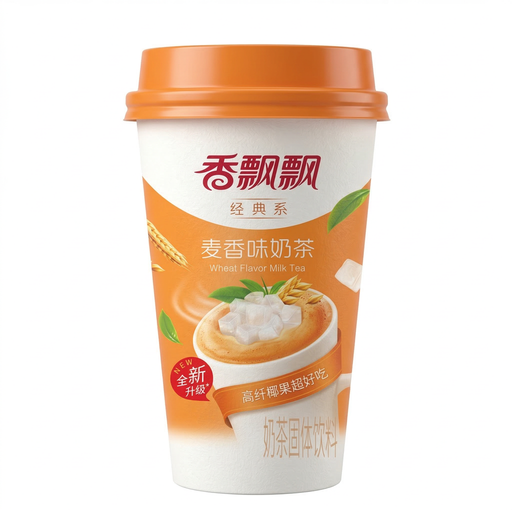
Why this fits the profile: A single cup with milk tea powder, a sugar sachet and coconut jelly is straightforward for a first taste of Asian milk tea. It's designed to be made with 150 ml of hot water.
The portion and included components are clearly described. You don't need to buy a separate topping, but you can adjust the sugar to your own taste.
Wheat malt flavour, 80 g per cup, separate sugar sachet and coconut jelly. Contains milk.
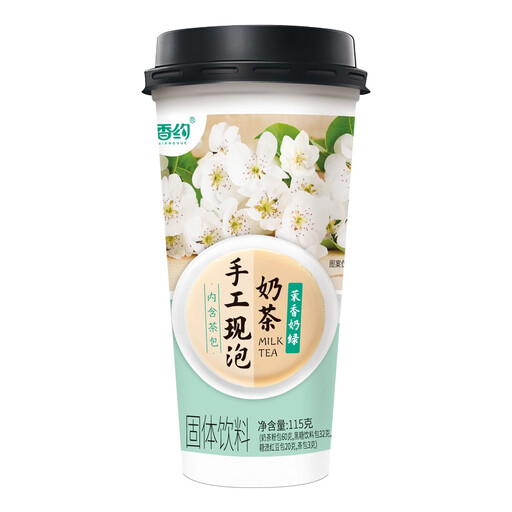
Why this fits the profile: For those who want a layered preparation with jasmine tea, milk tea powder, red beans and brown sugar syrup.
The packaging specifies the components and the order of preparation. So you know the jasmine flavour comes from both instant tea and a tea bag.
115 g, 350 ml preparation volume, 5% instant jasmine tea and 17% sweetened red beans. Contains milk.
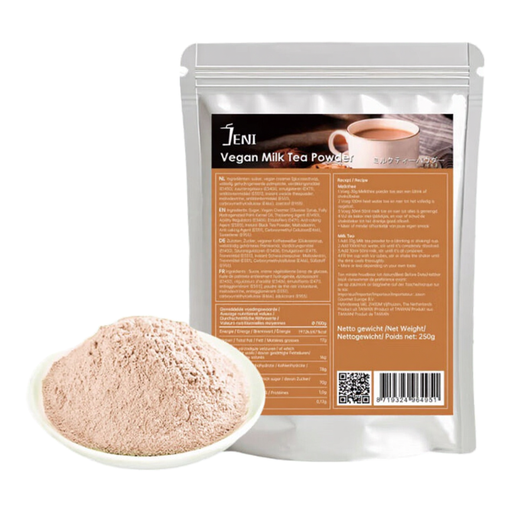
Why this fits the profile: Handy for frequent users, plant-based households and anyone who wants to vary the recipe with water or plant-based milk.
The product description explicitly states a vegan composition and around 7 to 8 cups per packet. That makes it more suitable for regular use than individual cups.
250 g powder, suitable for bubble tea, lattes, smoothies and baking. According to the product information, it contains none of the 14 main EU allergens.
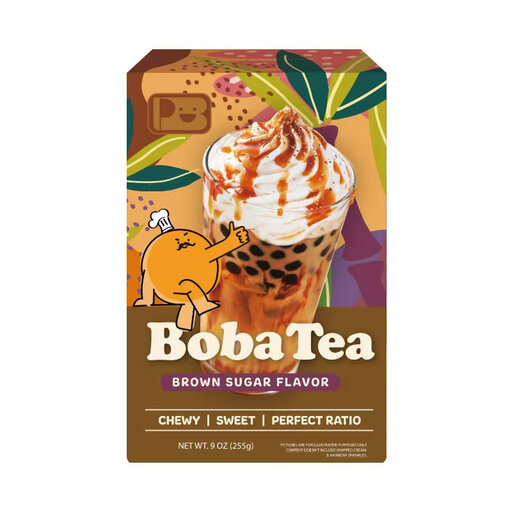
Why this fits the profile: A practical choice for an evening with friends or family, with three separate kits and a brown sugar flavour.
The contents aren't limited to powder: the kit lists tapioca pearls, a tea base and brown sugar syrup. Prepare the pearls fully according to the instructions.
3 kits, total 255 g, with tapioca pearls, tea base and syrup. Suitable for serving with ice.
We've put together a full, up-to-date list of products that fully meet these strict selection criteria and current European safety regulations.
Alongside classic milk tea, there are several varieties:
Store opened powders in a dry, cool place away from direct sunlight. Seal the packet tightly and drink prepared drinks with toppings preferably straight away.
Put the powder or the contents of the sachet into a mug, add the amount of hot water stated on the label and stir until everything is dissolved. Only add sugar, syrup or toppings in the order indicated. For a cold drink, you can let the prepared tea cool down and then add ice, if the product instructions allow it.
The shelf life of an unopened packet is stated on the label. Once opened, the powder must be stored dry and tightly sealed. Sachets are usually intended for immediate use after opening. Prepared milk tea with milk, jelly or tapioca pearls is best not stored for long; follow the packaging and consume the drink as soon as possible.
That depends on the number of servings, the weight and the included toppings. Divide the purchase price by the number of sachets or the expected cups. Don't forget that a bubble tea kit contains extra components, while a bag of powder can often work out cheaper per serving, but requires more of your own measuring.
