
Vandaag of morgen in huis

Kwaliteit gegarandeerd

Welkomstaanbiedingen ontgrendelen: GRATIS bezorging | Tot 80% korting | Gratis 30 dagen JoyPlus-proefperiode
Download de app
A bottle of iced tea might seem like a simple purchase, but the options vary considerably in flavour, sugar content, size and packaging. If you only go by what's on the front of the label, you could end up paying for a large pack that doesn't suit how you'll use it, or choose a variety that tastes much sweeter than you expected.
When buying iced tea, watch out for these three common pitfalls:
Don't just compare the number of calories per can or bottle; look at the table per 100 ml. This way you can fairly compare a bottle, a can and a multipack side by side.
Examples from the range:
Always check the current label. Product compositions and nutritional values can change. A description such as sugar-free iced tea or zero iced tea usually refers to a variety with sweeteners; so also check the ingredients list.
For home, families and shared use, a 1.5 litre iced tea bottle is practical. G’woon Green, G’woon Peach and G’woon Lemon are examples of this size. A large bottle gives you several glasses, but takes up more space in the fridge and isn't as convenient after opening as individual portions.
For on the go, students and offices, iced tea cans are straightforward. A tray of iced tea 24 x 330 ml is suitable when several people regularly grab a chilled can. Lipton offers varieties including lemon, peach, green tea and sparkling iced tea in this size.
Small multipacks of 250 ml or 340 ml are interesting if you want to try different flavours or are looking for a fixed portion. When ordering online, also pay attention to the total volume: six packs of 250 ml together contain 1.5 litres, but offer a different experience from one large bottle.
The base can be black iced tea, green iced tea, oolong or another tea infusion. Black tea often has a recognisable, fuller tea flavour. Green tea is usually combined with lemon, citrus or a light fruit flavour.
Popular flavour directions include:
Also check whether the product is still or sparkling. Lipton Ice Tea Sparkling Original and Lipton Ice Tea Sparkling Zero are carbonated options. Lipton Lemon and various peach varieties are described as still drinks.
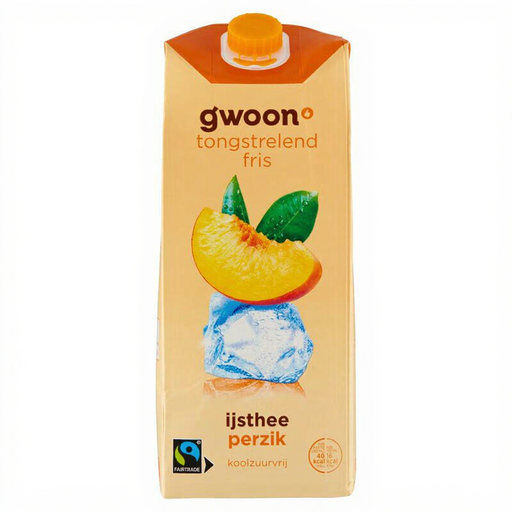
Why this fits the profile: A 1.5 litre bottle is a practical introduction to peach iced tea for home, without having to order a large tray straight away.
The product information states 3.8 grams of sugar per 100 ml, so you can compare the sugar content in advance. The bottle volume is clearly indicated.
1.5 litre volume; peach flavour; according to the product information contains 0.08% tea extract and is suitable for serving chilled.
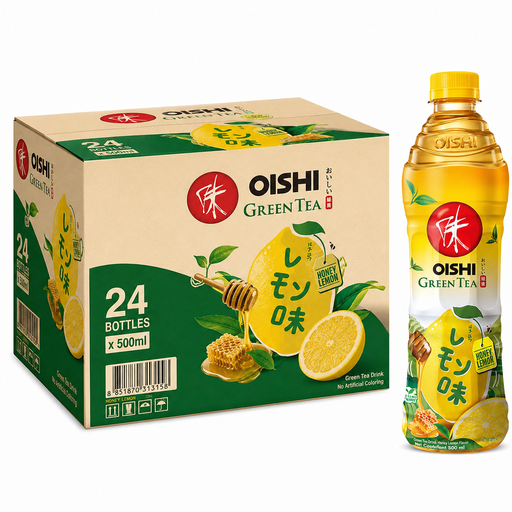
Why this fits the profile: For those looking for an Asian ready-to-drink tea with green tea, honey and lemon in a bulk pack.
The packaging states 24 bottles of 500 ml. This makes it clear in advance that it's a large stock item, not individual sample packs.
24 bottles of 500 ml; green tea with honey and lemon; product information states Thailand as country of origin.
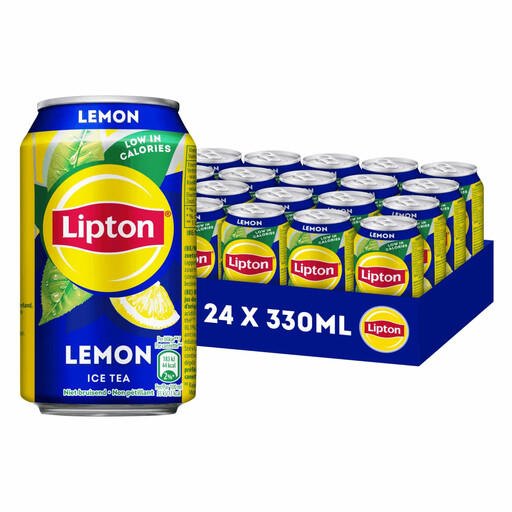
Why this fits the profile: A tray is ideal for offices, catering, student houses and families who regularly serve individual portions of iced tea.
The product format is clear: 24 cans of 330 ml and a still lemon tea. So you don't have to store an opened large bottle.
24 x 330 ml; black tea with lemon flavour; according to the product information 3 grams of sugar per 100 ml.
We've put together a full, up-to-date list of products that fully meet these strict selection criteria and comply with current European safety regulations.
That depends on the price per pack, delivery costs and the amount you actually use. Calculate the price per 330 ml or per litre. A tray of iced tea 24 x 330 ml is especially practical when you regularly need individual portions.
Store an opened bottle in the fridge and follow the date on the label. Manufacturers generally advise consuming the drink within the stated period after opening. Seal the bottle tightly and check the smell, taste and packaging before drinking further.
Black iced tea usually has a more distinct, fuller tea base. Green iced tea is often combined with lemon or other light flavour notes. The exact taste depends on the tea extract used, the amount of sugar or sweetener and any fruit juices. So always check the ingredients and nutritional information table per 100 ml.
