
Vandaag of morgen in huis

Kwaliteit gegarandeerd

Welkomstaanbiedingen ontgrendelen: GRATIS bezorging | Tot 80% korting | Gratis 30 dagen JoyPlus-proefperiode
Download de app
Want to buy iced coffee and iced tea for home, the office, hospitality or an event? A can or tray might seem like an easy choice. Yet small differences in sugar, caffeine, volume and storage method can make a big difference. A product that sounds appealing isn’t automatically right for how you’ll use it.
Words like mocha, cappuccino, caramel and peach mainly tell you about the flavour direction. They don’t tell you how much sugar, milk or caffeine the product contains. A creamy cappuccino iced coffee, for example, can contain significantly more carbohydrates than a black Americano.
Always check the nutritional values per 100 ml and the total volume of the can or carton. A 300 ml drink contains three times the values shown on the label per 100 ml.
A product with low sugar is not the same as a sugar-free coffee or sugar-free iced tea. Check the line “of which sugars” and also look at the ingredients list. Sugar, fructose, sweeteners or syrups may be listed separately there.
For example, Lipton Ice Tea Green Low Sugar lists both sugar and a sweetener. Lipton Sparkling Zero Ice Tea is described as sugar-free, but the current packaging remains the leading source for exact nutritional information.
A tray of 24 cans is practical for an office or hospitality business, but not always good value if the drinks are used slowly. Pay attention to:
For personal use, a pack of 6 or 12 may be more suitable. For high-volume users, trays of 24 cans are often more convenient because you don’t need to restock as frequently.
Compare products on the same basis: usually per 100 ml. A few examples from the product information:
These figures are product-specific. Always check the label upon receipt, as recipes or packaging may change.
Cold coffee can contain caffeine, even when the flavour is mild or milky. The product information for OD Gourmet Ice Coffee Cappuccino states 52 mg of caffeine per 100 ml. In a 240 ml pack, that works out as a higher total amount than the value per 100 ml suggests.
Starbucks Tripleshot Espresso Iced Coffee also states 47 mg of caffeine per 100 ml. So look at:
The product information for certain variants states that they are not recommended for children, pregnant women, breastfeeding women or people sensitive to caffeine. Use this information as part of your purchasing decision and follow the packaging.
Mocha, latte and cappuccino often contain milk or milk powder. OD Gourmet Ice Coffee Mocha, OD Gourmet Ice Coffee Cappuccino and Starbucks Tripleshot Espresso Iced Coffee list milk as an allergen. A black Americano, on the other hand, can be offered without milk.
Also pay attention to the difference between:
A drink that can be stored unopened outside the fridge is not automatically intended to be kept for a long time after opening.
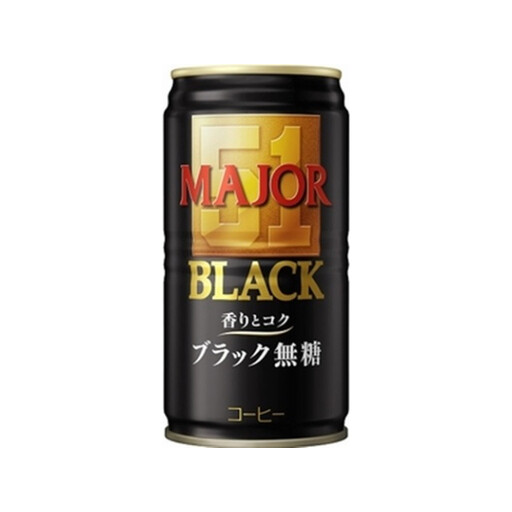
Why this fits the profile: A compact portion of black cold coffee for anyone who wants to start without milk or sugar and doesn’t need a large pack.
The product information states 0 grams of sugar and an ingredients list with water and 8% coffee. This means the composition can be checked directly.
185 ml per pack, 0 grams of sugar and none of the 14 main EU allergens according to the product information.
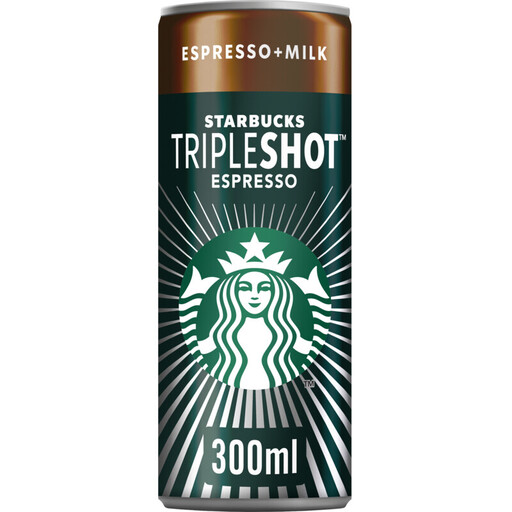
Why this fits the profile: For anyone looking for a larger portion of iced coffee with milk and espresso for on the go or during a long working day.
The volume and caffeine information are clearly stated: 300 ml and 47 mg of caffeine per 100 ml. This allows you to estimate the portion in advance.
300 ml, milk as a base and Arabica coffee according to the product description; to be served chilled.
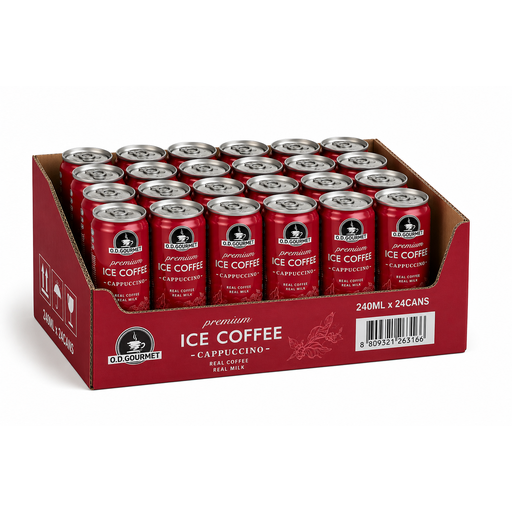
Why this fits the profile: A tray of 24 packs is suitable for offices, hospitality and high-volume users who regularly serve cappuccino iced coffee.
The tray size, 240 ml volume and nutritional values are visible in advance. The stated caffeine value of 52 mg per 100 ml does require conscious portion planning.
24×240 ml, cappuccino flavour, milk powder and 10% coffee extract according to the product information.
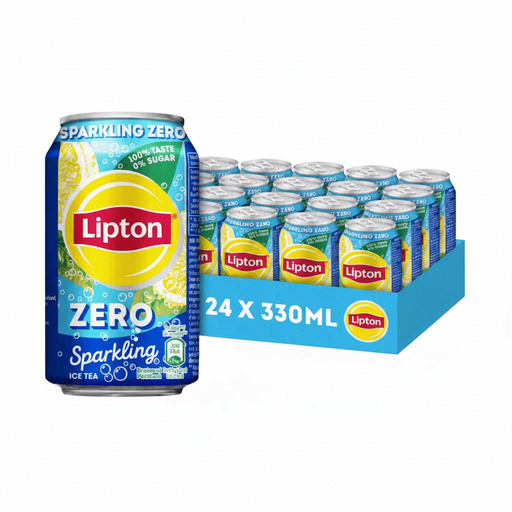
Why this fits the profile: A tray of sparkling iced tea for anyone who wants to share cans during meetings, visits or an event.
The product description states 0% sugar and a pack of 24×330 ml. This allows you to assess both the sugar choice and your stock requirements together.
24 cans of 330 ml, sparkling iced tea and a sugar-free variant according to the product information.
We’ve put together a full, up-to-date list of products that fully meet these strict selection criteria and comply with current European safety regulations.
That depends on the variant. UCC MAJOR Scent and Rich Black states 0 grams of sugar. With milk and flavour variants such as mocha, cappuccino and vanilla, the sugar content is higher according to the stated product information. Always check the nutritional information table per 100 ml and the total pack.
Unopened ready-to-drink coffee should be stored according to the packaging, often in a cool, dry place. After opening, the drink should generally be refrigerated and consumed within the stated period. So check the best-before date and the instructions after opening.
A tray can lower the price per can, but also calculate the price per litre and take waste into account. For an office, hospitality business or high-volume user, 24×240 ml or 24×330 ml is often practical. For occasional use, smaller quantities may be more sensible. Via iced coffee drinks you can compare different pack sizes before ordering coffee and tea online.
