
Vandaag of morgen in huis

Kwaliteit gegarandeerd

Welkomstaanbiedingen ontgrendelen: GRATIS bezorging | Tot 80% korting | Gratis 30 dagen JoyPlus-proefperiode
Download de app
A chilled coffee might seem like a simple purchase, but the differences between ready-to-drink iced coffee, capsules and a can of iced coffee are significant. One pack contains mostly milk and sugar, while another variant is supplied without sugar and without milk. The caffeine content and serving size can also vary considerably.
So don't just look at words like "creamy", "intense" or "refreshing". Instead, check the ingredients, nutritional values, volume and storage advice. This way, you'll avoid buying a product that doesn't suit your taste, dietary choices or when you plan to drink it.
A name like iced coffee cappuccino, iced coffee mocha or iced coffee vanilla mainly describes the flavour direction. The composition can differ from brand to brand. A mocha variant, for example, often contains sugar, milk powder and chocolate flavouring, whereas a black iced coffee consists mostly of water and coffee.
So always check the ingredients list. If sugar appears high on the list, it's likely a noticeably sweeter cold coffee. Also check whether milk, milk powder or other allergens are present.
The amount of caffeine isn't always prominently displayed on the front. Look at the information per 100 ml and per pack. A drink with 47 mg of caffeine per 100 ml in a 300 ml pack contains approximately 141 mg of caffeine. That's quite different from just glancing at the number on the label.
According to the product information provided, products with a high caffeine content are not recommended for children, pregnant women, breastfeeding women or people who are sensitive to caffeine. Always use the current packaging as your guide.
A 1-litre bottle can be handy for home, but once opened, iced coffee must be stored in the fridge and used within the stated period. For coffee on the go, a can or carton of 185 to 300 ml is more practical. So compare the price per litre and the amount you'll actually drink.
Compare the caffeine content per pack, not just per 100 ml. The range includes both black variants without sugar and milk-based drinks with a high caffeine content. If you're after a milder drink, look at flavour and milk content; if you want a strong coffee, compare the coffee percentages and caffeine values.
Check:
A black variant can contain virtually no sugar. The UCC MAJOR Scent and Rich Black without sugar, for example, states 0 grams of sugar and 0 kcal according to the product information. A milky iced coffee mocha, on the other hand, can contain around 7 grams of sugar per 100 ml.
For on the go, packs of 185, 190, 230 or 250 ml are easy to carry. A 240 ml pack offers a bit more volume without becoming a large bulk format. A 1-litre bottle is better suited for use at home or in the office.
According to the product description, unopened products should generally be stored in a cool place away from direct sunlight. Once opened, the drink usually needs to go in the fridge. Always check the best-before date, the seal and the instructions on the label.
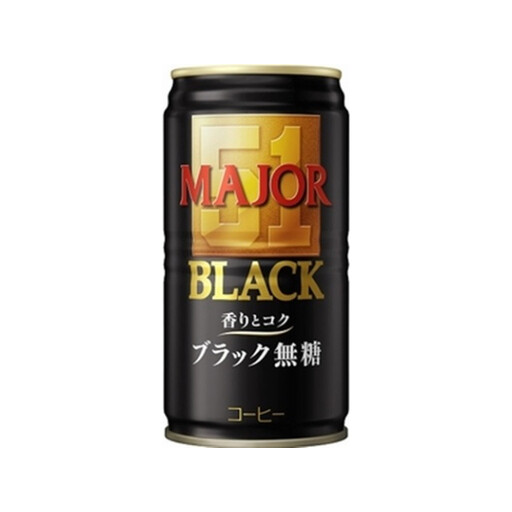
Why this fits the profile: A compact black coffee for anyone who wants to start with iced coffee without milk or added sugar.
The product information states 0 grams of sugar and 0 kcal, so you don't have to guess based on the front of the pack alone.
185 ml, sugar-free according to the product data and ideal as a quick coffee on the go.
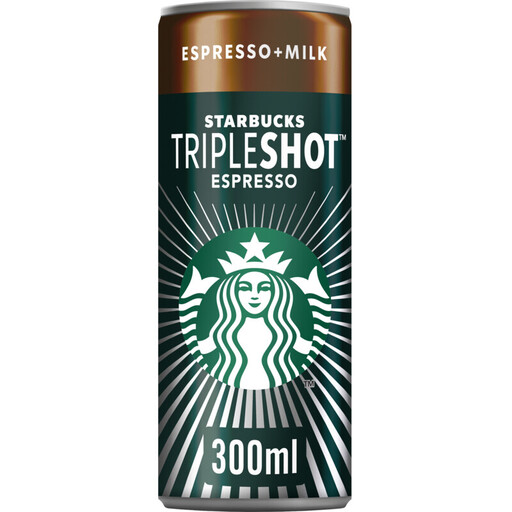
Why this fits the profile: For coffee drinkers looking for a larger milk-coffee drink with clear espresso information.
The packaging states 47 mg of caffeine per 100 ml and the product information mentions three espresso shots.
300 ml, milk as the main ingredient and Arabica coffee according to the product description.
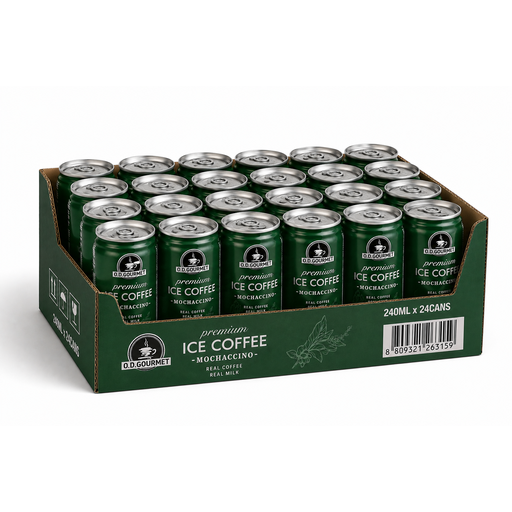
Why this fits the profile: A bulk pack for offices, student houses or households where cold coffee is regularly enjoyed.
The volume, flavour and milk components are clearly described. This makes the difference from black cold coffee immediately obvious.
24 packs of 240 ml, coffee and chocolate flavour, with milk for a smooth texture.
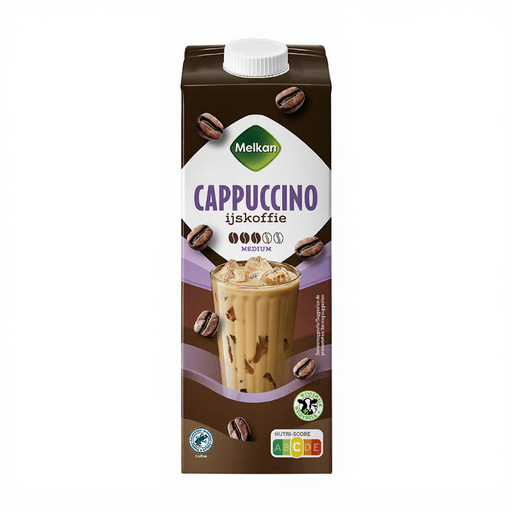
Why this fits the profile: A litre format for home, breakfast or a shared office fridge.
The large format makes the price per litre easy to see. Just remember to refrigerate after opening and check the usage period on the label.
1 litre volume, cappuccino flavour and 49 kcal per 100 ml according to the product information.
We've put together a full, up-to-date list of products that fully meet these strict selection criteria and comply with current European safety regulations.
Yes, iced coffee is the English name for cold coffee. In the Netherlands, it can refer to a black coffee drink, iced coffee with milk, a cappuccino variant or a mocha drink. The recipe and nutritional values differ from product to product.
This varies by product. Store an opened milk-based drink in the fridge and follow the period stated on the packaging. Some product descriptions mention that the drink should be used within 24 hours or within two days. Also check that the packaging seals properly and is never damaged.
A pack of around 185 to 300 ml is practical for school, work, travel or a warm day out. Choose a can or carton when you want to take a single serving with you. For multiple coffee moments at home, a 1-litre bottle or a multipack is usually more sensible.
