
Vandaag of morgen in huis

Kwaliteit gegarandeerd

Welkomstaanbiedingen ontgrendelen: GRATIS bezorging | Tot 80% korting | Gratis 30 dagen JoyPlus-proefperiode
Download de app
Are you looking to buy iced coffee for on the go, the office, or at home? You'll quickly notice big differences between a can of coffee, a ready-to-drink iced coffee, a concentrate, and coffee from an espresso machine. The packaging often tells you more about flavour and convenience, but less about sugar, caffeine, milk content, and storage instructions.
The most common buying mistakes come down to three pitfalls:
A ready-to-drink iced coffee is ready to drink straight away and is usually handy for commuting, studying, or a quick break. A 185 ml can of coffee is compact, while a bottle or carton of 240 to 300 ml offers more drinking volume.
A concentrate works differently. You mix it with water, milk or ice, so you control the strength yourself. That can be cost-effective when you want to make several glasses. If you already use an espresso machine, coffee capsules or a milk frother, you can also make iced coffee at home. The trade-off is that you'll need ice, milk, and preparation time.
When comparing, look out for these three points:
Volume and serving size
Don't just compare the values per 100 ml. Calculate them for the whole pack. A product with 6.8 grams of sugar per 100 ml contains around 16.3 grams of sugar in a 240 ml pack.
Sugar, sweeteners and milk
If you're looking for iced coffee without sugar, you need to check both the ingredients list and the nutritional information table. "Low calorie" doesn't always mean sugar-free. Also check whether it contains milk powder, cream or other milk ingredients. That's relevant if you're specifically looking for iced coffee with milk or want to avoid milk.
Caffeine and when to drink it
Some packs show the caffeine content per 100 ml, others per can or serving. The OD Gourmet Ice Coffee Cappuccino, for example, states 52 mg of caffeine per 100 ml. In a 240 ml pack, that works out at around 125 mg. Always follow the warnings and usage instructions on the label, especially for products with a high caffeine content.
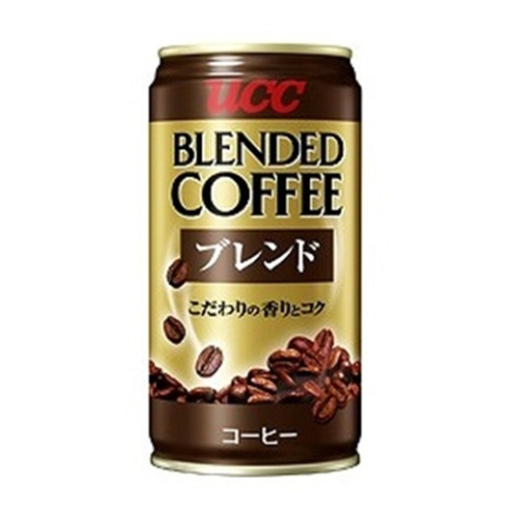
Why this suits the profile: The 185 ml size is practical for a first try of a ready-to-drink can of coffee. The ingredients list includes coffee, sugar and milk powder for a mild, sweet coffee flavour.
The nutritional information is clearly stated: 31 kcal and 6.2 grams of carbohydrates per 100 ml. This means you can calculate the full serving yourself.
Compact 185 ml can format; contains coffee, whole milk powder and skimmed milk powder according to the product description.
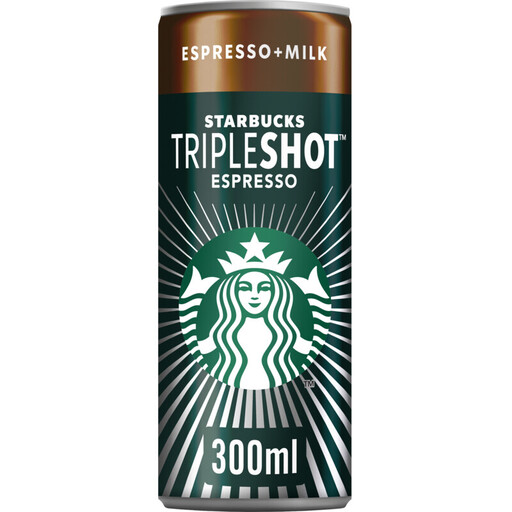
Why this suits the profile: According to the product description, this drink combines three espresso shots with milk and 100% Starbucks Arabica coffee. The larger size suits those looking for a full coffee serving.
The product information states both 47 mg of caffeine per 100 ml and 8.5 grams of sugar per 100 ml. This means you can see in advance what a 300 ml pack contains.
300 ml volume; milk makes up 75% of the ingredients; caffeine content and allergens are specified.
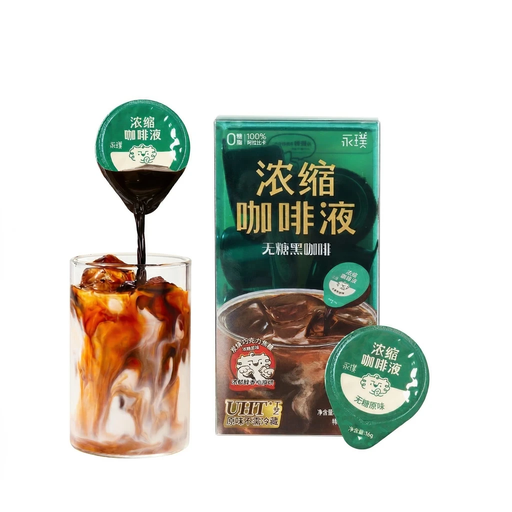
Why this suits the profile: This sugar-free coffee concentrate is designed to be mixed with cold or hot water, milk or ice. It's therefore suitable for anyone who wants to make their own Americano coffee or latte.
The product description states 0 grams of sugar, fat and carbohydrates per 100 grams. You add your own base and quantity.
126 grams of concentrate; made with Arabica coffee according to the product description; can be individually mixed with cold water or milk.
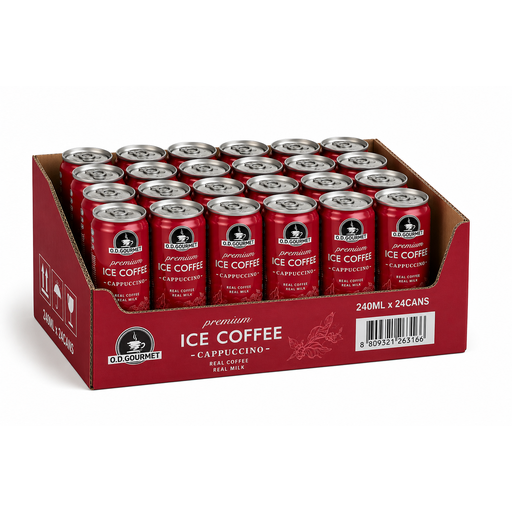
Why this suits the profile: The pack contains 24 ready-to-drink servings of 240 ml. The cappuccino flavour, milk powder and coffee extract suit anyone who wants to stock up for work, study or on the go.
The label states 52 mg of caffeine and 6.8 grams of sugar per 100 ml. It also indicates that the product contains milk and must be refrigerated after opening.
24 packs of 240 ml; 10% coffee extract according to the product information; suitable for drinking chilled.
We've put together a full, up-to-date list of products that fully meet these strict selection criteria and comply with current European safety regulations.
Always follow the instructions on the packaging. Many unopened products should be stored in a cool place away from direct sunlight. After opening, some drinks need to be kept refrigerated and used within the stated period. Before buying, also check the best-before date and make sure the packaging is undamaged.
Not necessarily. Check the nutritional information table per 100 ml or per full serving. A product may contain no sugar but still have other ingredients that provide energy. With a concentrate, you also need to take into account what you add yourself, such as milk or syrup.
A ready-to-drink drink has a fixed price per serving and requires no equipment. An espresso machine or coffee capsules can offer more flexibility in the long run, but you also pay for the machine, capsules, milk and maintenance. With a concentrate, the price per glass depends on how much you use. So compare the price per full serving, not just the price of the pack or can.
