
Vandaag of morgen in huis

Kwaliteit gegarandeerd

Welkomstaanbiedingen ontgrendelen: GRATIS bezorging | Tot 80% korting | Gratis 30 dagen JoyPlus-proefperiode
Download de app
Are you looking to buy iced coffee for on the go, at the office, or while studying? You'll quickly come across plenty of options: from a sweet iced coffee cappuccino to a black coffee with no sugar. The packaging often tells you more about the flavour and experience. To make the right choice, you also need to look at the ingredients, nutritional values, caffeine content and size.
A can or carton of 185 to 250 ml might seem modest, but the nutritional information is usually given per 100 ml. A drink with 6 to 8 grams of sugar per 100 ml in a 240 ml pack therefore contains around 14 to 19 grams of sugar. Always compare the values per pack, not just per 100 ml.
A sweet iced coffee vanilla can contain caffeine, while some black varieties don't list an amount at all. Conversely, a product with a mild flavour can have a relatively high caffeine content. Check the label if you're consciously choosing a stronger or milder ready-to-drink coffee.
A product can have fewer calories because of a sweetener, yet still contain sugar. Look at the full ingredients list and the line of which sugars. If you're specifically looking for an iced coffee without sugar, it's better to choose a variety that states 0 grams of sugar per pack, as the nutritional information on some black coffee drinks does.
Pay attention to the base of the drink:
The packaging you receive is definitive. Product compositions can change, so check the current ingredients and allergen information before consuming.
Use per 100 ml as your first comparison, then calculate for the full pack. Some examples:
These are calculations based on the product information provided. Always check the current label for the exact values.
Caffeine is especially important if you're using the drink as coffee on the go, during a long working day or for studying. Some products clearly state the amount:
Products with a high caffeine content usually carry a warning for children, pregnant women, breastfeeding women and those sensitive to caffeine. Follow the information on the pack and take into account caffeine from other drinks you have that day.
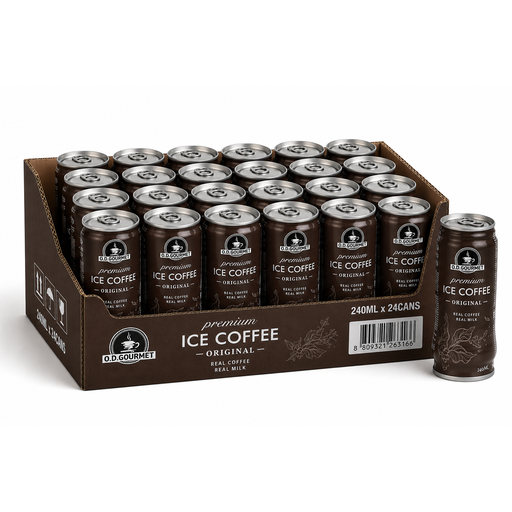
Why this fits the profile: The multipack contains 24 packs of 240 ml and is practical for home, work or a shared fridge. The lightly sweet, milky coffee flavour is accessible for anyone trying ready-to-drink iced coffee for the first time.
The nutritional information is given per 100 ml, so you can calculate the sugar and calorie intake per bottle rather than just looking at the front.
24 × 240 ml, ready-to-drink, milk powder as an ingredient and 36 kcal per 100 ml according to the product information.
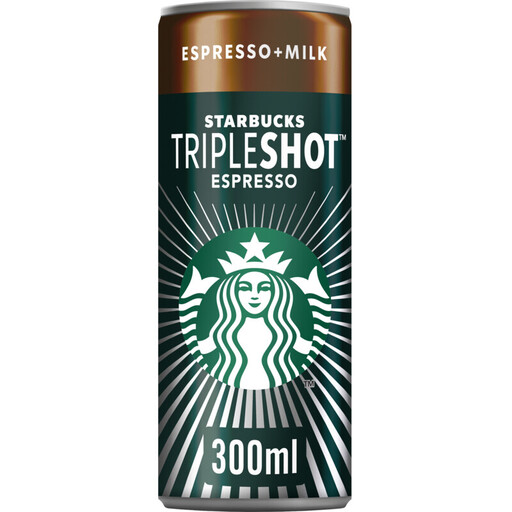
Why this fits the profile: The pack contains 300 ml and the product information states three espresso shots, 47 mg caffeine per 100 ml and milk. This makes the drink suitable for adults who consciously choose a larger, creamy coffee portion.
The caffeine content is stated in the product information. You don't have to rely solely on the name "Tripleshot".
300 ml, 100% Arabica coffee according to the product description, milk as a main ingredient and a clearly stated caffeine content.
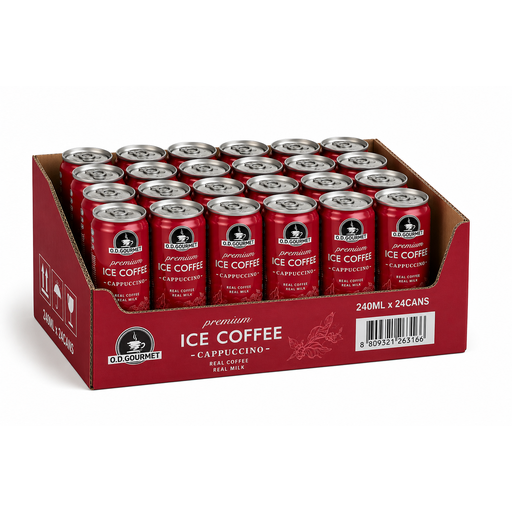
Why this fits the profile: This multipack is designed for regular use. The cappuccino flavour combines coffee extract with milk powder, and the product information states 52 mg caffeine per 100 ml.
The high caffeine content is indicated. This stops you from mistaking the drink for a regular mild cold coffee.
24 × 240 ml, cappuccino flavour, 39 kcal and 6.8 g sugar per 100 ml according to the product information.
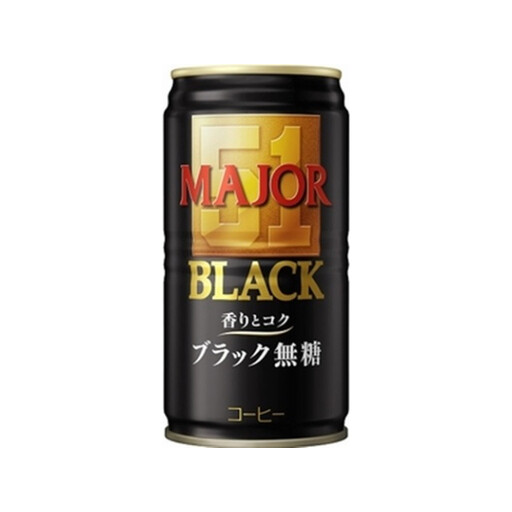
Why this fits the profile: According to the product information, the drink consists of water and 8% coffee and comes in a compact 185 ml pack. The stated nutritional value contains 0 grams of sugar.
The product name says "no sugar" and the nutritional information states 0 grams of sugar. Check this again on the actual label when you receive it.
185 ml, no added sugar according to the product description, no milk as an ingredient and a black coffee flavour.
Most ready-to-drink iced coffee products should be stored unopened in a cool, dry place, out of direct sunlight and away from heat. Chill them before drinking if you prefer a fresher taste. Once opened, a milk-based drink should generally be kept refrigerated and consumed within the time stated on the pack. Also check that a can or carton isn't damaged and that the seal remains intact.
A multipack is handy if you drink iced coffee regularly, but don't buy more than you can use within the shelf life. For occasional use, a single can or a small pack is more practical.
We've put together a full, up-to-date list of products that fully meet these strict selection criteria and comply with current European safety regulations.
This varies per pack. Black varieties such as UCC MAJOR and McNulty Ice Americano Black state 0 grams of sugar in their nutritional information respectively. Always check the actual pack, as compositions can change.
It varies widely. Examples from the product information are 75 mg per can for Douwe Egberts Iced Mocha Latte, roughly 125 mg per pack of OD Gourmet Cappuccino and around 141 mg for Starbucks Tripleshot Espresso. Convert values per 100 ml to the full volume before comparing.
Follow the instructions on the label. Many milk-containing drinks must be refrigerated after opening and consumed within 24 hours or within a few days. The shelf life of an unopened pack is stated on the product itself.
