
Vandaag of morgen in huis

Kwaliteit gegarandeerd

Welkomstaanbiedingen ontgrendelen: GRATIS bezorging | Tot 80% korting | Gratis 30 dagen JoyPlus-proefperiode
Download de app
A scratchy throat, dry eyes, or static hair as soon as the heating comes on? Chances are the air in your home is too dry. A humidifier seems like a simple solution, but the market is flooded with models that promise more than they deliver. Many devices end up as dust collectors in a closet due to impractical designs or disappointing performance.
As a Joybuy Product Recommendation Officer, I'll help you see past the marketing fluff. We'll focus on the specifications that truly matter, so you can choose a model that fits your home and lifestyle without wasting money.
Before we look at the options, it's important to know the pitfalls. Much of the dissatisfaction stems from these three common problems:
To buy the right humidifier, focus on the following objective criteria. These will determine if a model is suitable for your situation.
The effectiveness of a humidifier depends on the ratio between its water tank capacity (in litres) and its mist output (in ml/hr).
The noise level, expressed in decibels (dB), is crucial for use in a bedroom or office.
Note: An ultrasonic humidifier is generally quieter than an evaporative humidifier, which uses a fan.
Some features offer real value, while others mainly drive up the price.
Below are some models that score well on the most important criteria, matched to specific user profiles.
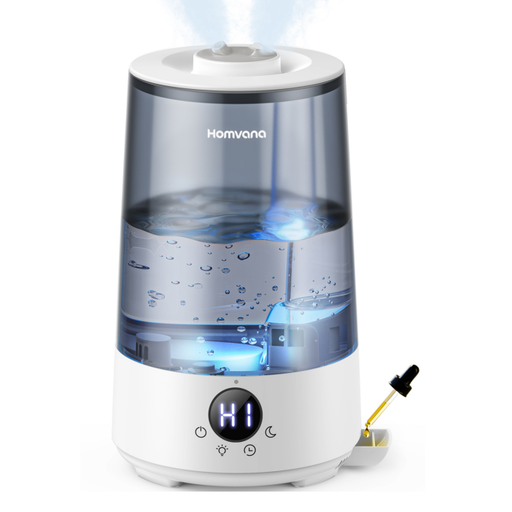
Why This Fits Their Persona: This model is designed for tranquility. Ideal for a bedroom or nursery where silence is essential. The BPA-free material offers extra peace of mind for families.
It tackles the "silent nightmare" with a sleep mode that the manufacturer claims produces only 16 dB. The wide top-fill opening makes cleaning simple, thus avoiding the hygiene trap.
Extremely quiet in sleep mode; built-in aroma tray and a 7-colour night light for added ambiance.
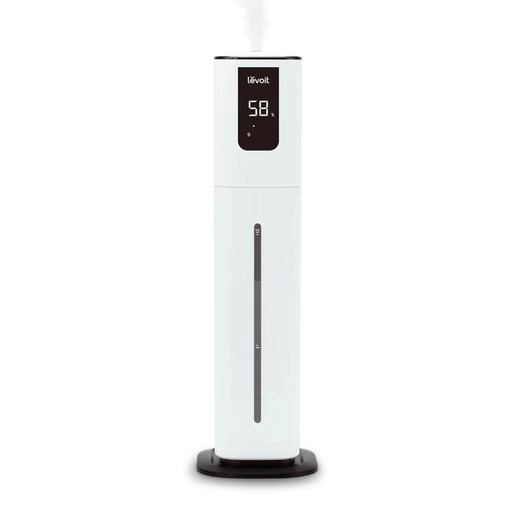
Why This Fits Their Persona: For those who want to humidify a large living room or a collection of tropical plants without constant refilling. Its huge capacity and long runtime make it a workhorse.
The large 10-litre tank requires less frequent cleaning than smaller tanks. The smart hygrostat prevents over-humidification, which counteracts mould on walls or around plants.
Very large 10L tank for a runtime of up to 100 hours. Suitable for rooms up to 55 m? and controllable via app and voice assistants.
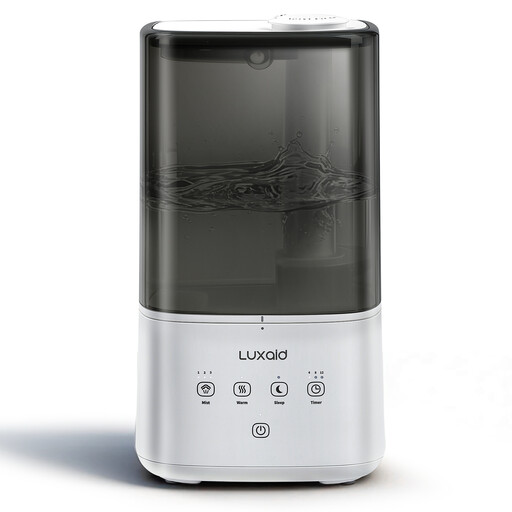
Why This Fits Their Persona: This user wants more than just functional humidification; they seek comfort and a pleasant atmosphere. The combination of warm mist and aromatherapy is perfect for relaxation.
The detachable, leak-proof tank design makes cleaning easy. The quiet sleep mode (20 dB according to the manufacturer) prevents noise disturbance, even with the extra features running.
Offers both cool and warm mist for comfort in all seasons. Includes an aromatherapy function and an intuitive touch panel.
We have compiled a complete, up-to-date list of products that meet these strict selection criteria and local safety regulations.
To prevent the growth of bacteria and mould, it is recommended to clean the humidifier thoroughly at least once a week. Empty the tank daily if you are not using the device. For the weekly cleaning, use a solution of water and white vinegar or a cleaning agent recommended by the manufacturer. Rinse everything well before refilling.
Yes, you can use tap water in most humidifiers. However, in areas with hard water, this can lead to white mineral deposits (limescale dust) on your furniture when using an ultrasonic humidifier. To prevent this, it's best to use distilled or demineralised water. Some models have special filters to remove minerals from the water.
A healthy humidity level in a home is generally between 40% and 60%. Humidity that is too low can lead to dry skin, irritated airways, and static electricity. Conversely, humidity that is too high can promote mould growth and dust mites. A humidifier with a built-in hygrostat helps to automatically maintain this level.
