
Vandaag of morgen in huis

Kwaliteit gegarandeerd

Welkomstaanbiedingen ontgrendelen: GRATIS bezorging | Tot 80% korting | Gratis 30 dagen JoyPlus-proefperiode
Download de app
Dry indoor air can leave your skin feeling tight, make clothes cling with static or cause wooden furniture to react more noticeably to changes in humidity. If you’re looking to buy a humidifier, the choice might seem straightforward. But models vary considerably in noise level, maintenance, water tank, controls and the size of room they’re suited to.
Our recommendations are based on verifiable product specifications. Keep an eye out for these three common pitfalls:
Look at two separate specifications: water tank capacity and humidification output in ml/h. A 4- or 5-litre model may run for longer than a compact one, but only if its mist output is suited to the tank capacity.
For a bedroom or home office, a model designed for around 20 to 30 m² is often a practical choice. For a living room, office or open-plan space, a higher output and greater stated room coverage may be more appropriate. Always check how the manufacturer describes the coverage, and bear in mind ceiling height, ventilation and open doors.
A humidifier with a large water tank means fewer refills, but it also takes up more space. Measure the area where you plan to put it, and leave some distance between the humidifier and electronics, walls and furniture.
An ultrasonic humidifier uses vibrations to turn water into a fine mist. These models are generally relatively quiet and are popular for bedrooms. Using hard water can lead to mineral deposits, so regular cleaning and following the water instructions remain important.
An evaporative model, such as the Xiaomi Smart Evaporative Humidifier Pro, works differently. Its product specifications state that it has a 5-litre tank and a humidification output of 600 ml/h. Its operation, noise level and maintenance requirements differ from those of ultrasonic devices.
If you want more precise control, choose a humidifier with a hygrometer or a humidifier with automatic humidity control. A sensor measures the humidity and can adjust the mist output. Check the available settings range, and whether the sensor is read in the device itself or through an app.
If you’re looking for a quiet bedroom humidifier, the stated dB rating is important, but check for a dedicated night mode too. Some brands only quote a low noise level for sleep mode.
A top-fill model can be filled from above. This is useful if the device is under a shelf or you’d rather not remove the tank each time. Also look for:
Only use liquids permitted in the manual. With an aroma humidifier, oil usually goes in a separate aroma tray or onto an aroma pad, not directly into the water tank.
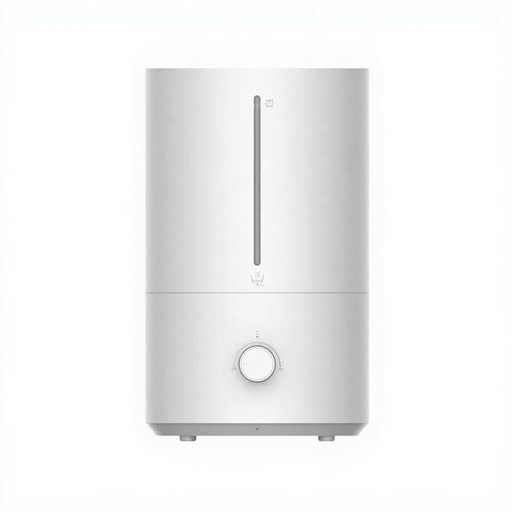
Why it suits this type of user: A straightforward model for anyone looking for a humidifier to tackle dry air without a host of app features. The 4-litre tank and 300 ml/h output make it suitable for everyday use in a bedroom or smaller living room.
The specifications state the tank capacity, mist output and maximum noise level of 38 dB(A), so you don’t have to rely on marketing claims alone.
4-litre tank, 300 ml/h output and compact dimensions of 190 × 202 × 315 mm.
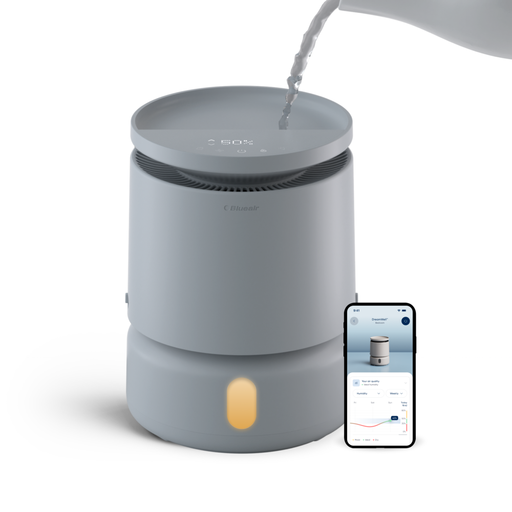
Why it suits this type of user: Designed for anyone who values minimal visible mist, app controls and easy maintenance in the bedroom.
The manufacturer describes mist-free operation, a washable tank and a washable wick filter. Check the manual for recommended maintenance intervals.
According to the product description: 20 dBA, up to 48 hours of use, app controls and coverage of up to 55 m².
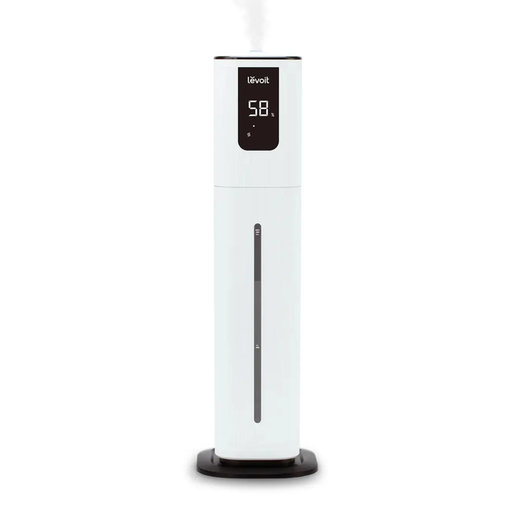
Why it suits this type of user: An option for large living spaces, home offices or anyone looking for a smart humidifier with a long running time.
The wide top-fill opening and automatic mode mean less hassle from frequent refills and manual adjustments. The tank is 72.8 cm tall, though, so measure the space before setting it up.
10-litre tank, 350 ml/h output, stated coverage of up to 55 m², 28 dB noise level, and control via VeSync, Alexa and Google Assistant.
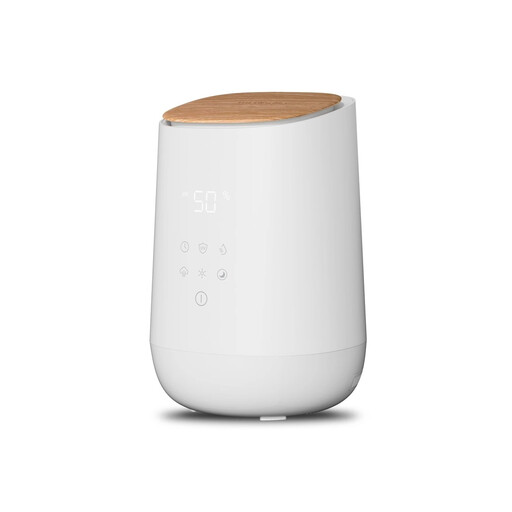
Why it suits this type of user: A good choice if you’re looking for an aroma humidifier with adjustable lighting and a timer for a room of up to 30 m².
The product information lists adjustable humidity control and a timer from 1 to 9 hours. The manual recommends emptying and drying the tank regularly.
Ultrasonic operation, 300 ml/h output, aroma option, LED lighting, a UV-C lamp according to the product specifications, and coverage of up to 30 m².
We’ve put together a complete, up-to-date list of products that meet these strict selection criteria and the applicable European safety requirements.
Place the device on a flat, stable and water-resistant surface. Keep the mist outlet unobstructed, and don’t put the humidifier right next to electronics, wooden furniture or a wall. Only fill and clean the tank when the device is unplugged. Follow the minimum distance and cleaning frequency stated in the manual.
Its lifespan depends on how it’s used, water quality and maintenance. Regularly emptying and cleaning the tank helps prevent deposits and stagnant water. Models with filters also need replacement parts. Before buying, check that filters, aroma pads and other consumables are available.
Energy use depends on the wattage and the number of hours it runs. A 25-watt device running for four hours a day uses less energy than the same model running all day on its highest setting. A timer and automatic humidity control can help reduce unnecessary running time. So when comparing models, consider more than just the purchase price: check the wattage, filter costs and cleaning supplies too.
