
Vandaag of morgen in huis

Kwaliteit gegarandeerd

Welkomstaanbiedingen ontgrendelen: GRATIS bezorging | Tot 80% korting | Gratis 30 dagen JoyPlus-proefperiode
Download de app
A scratchy throat, dry eyes when you wake up, or plants that look sadly droopy. Dry indoor air is a common problem, especially during the winter months when the heating is on. A humidifier seems like the logical solution, but the market is flooded with models that overpromise and underdeliver. Before you make a purchase, it's crucial to know what to look for to avoid wasting money on a device that doesn't work or, worse, becomes a source of bacteria.
As a Joybuy Product Recommendation Officer, I'll help you cut through the marketing claims. We'll look at the specifications that truly matter, so you can make an informed choice.
Many devices look great at first glance but have hidden drawbacks. These are the three most common problems consumers encounter.
silent humidifier but forget to mention the sound of gurgling water. Especially at night in the bedroom, this constant dripping or bubbling can be disruptive. A low decibel (dB) rating on the packaging is no guarantee of a completely silent experience.ultrasonic humidifiers in particular can cause a problem: a thin layer of white dust on your furniture, floor, and electronics. This is caused by minerals (limescale) in tap water being dispersed with the mist. Not only is this annoying to clean, but it's also not ideal for your air quality.To avoid the pitfalls above, there are a few technical specifications you should always check before you buy a humidifier.
The effectiveness of a humidifier depends on the size of the room. A model designed for a small bedroom will have little effect in a large space like an open-plan living room.
For use in a bedroom humidifier or baby's room, the noise level is one of the most important factors.
There are different technologies, each with its own pros and cons.
aroma diffuser. They have a separate tray or pad where you can add essential oils. Never add oil directly to the water tank unless the manual explicitly allows it, as this can damage the mechanism.Based on objective specifications, we have selected a few models that suit different needs and help bypass the pitfalls mentioned.
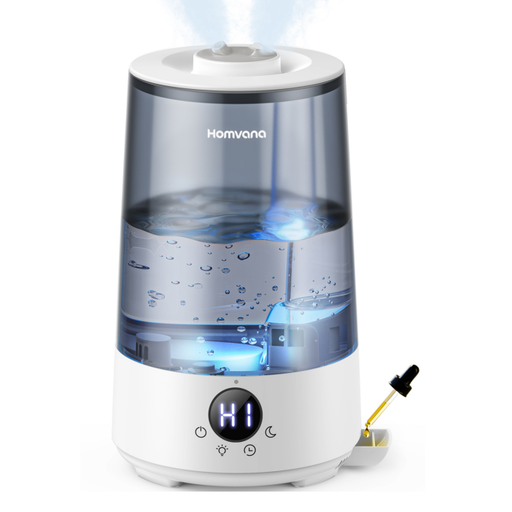
Why This Fits Their Persona: Ideal for the bedroom. The manufacturer claims a noise level of just 16 dB in sleep mode, which is exceptionally quiet and supports an undisturbed night's sleep.
Directly tackles the "silent myth" with a specific, very low noise level. The top-fill design makes filling and cleaning simple, preventing the cleaning nightmare.
Ultra-Quiet: With a claimed noise level of 16-34 dB, this model is suitable for the most sensitive sleepers.
Extra Features: Includes an aroma tray and a 7-colour night light.
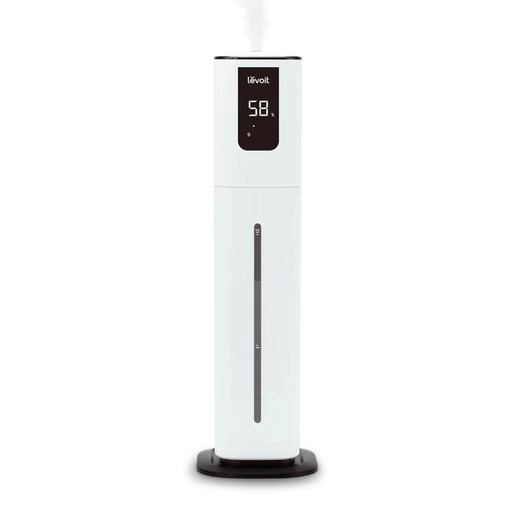
Why This Fits Their Persona: Perfect for those with a large living room or a collection of tropical plants. With a 10-litre tank and coverage up to 55 m?, this model can humidify a large space for an extended period without constant refilling.
Its massive capacity avoids the pitfall of an underpowered device for a large room. The top-fill opening makes cleaning the large tank manageable.
Huge Capacity: The 10-litre tank provides a runtime of up to 100 hours.
Smart Control: Can be operated via the VeSync app and voice assistants, with an auto mode that self-regulates humidity.
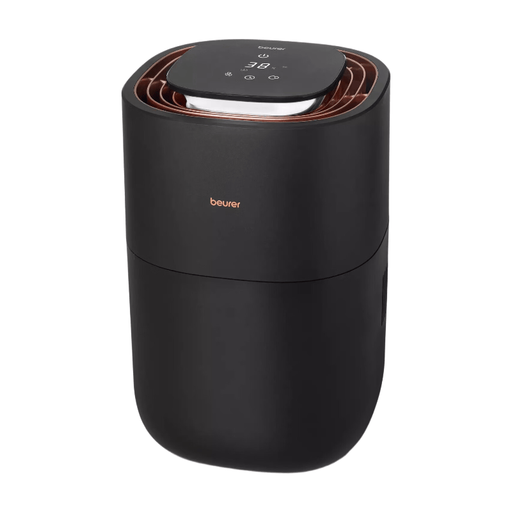
Why This Fits Their Persona: For those who prioritise hygiene, for example in a household with a baby or young children. This model uses evaporative technology, which prevents the spread of minerals and, according to the manufacturer, up to 99.9% of bacteria.
Completely bypasses the "white dust surprise" thanks to its evaporative technology. It also tackles the "cleaning nightmare" by offering a more hygienic starting point.
Hygienic Technology: The evaporative technology provides humidification without white residue and with a claimed reduction in bacteria.
Auto Mode: A built-in sensor measures the humidity and adjusts the operation automatically.
We have compiled a complete, up-to-date list of products that fully meet these strict selection criteria and local safety regulations.
For hygienic operation, it is recommended to empty, rinse, and refill the water tank with fresh water every two to three days. Perform a more thorough cleaning weekly with a mild cleaning agent (such as vinegar diluted with water) to remove limescale and prevent bacterial growth. Always follow the manufacturer's instructions.
In an evaporative humidifier, tap water is generally not a problem, as the minerals are left behind in the filter. For an ultrasonic model, distilled or demineralised water is recommended to prevent the formation of white dust. If you do use tap water, choose a model with a replaceable demineralisation cartridge.
A healthy humidity level in a home is generally between 40% and 60%. Too low can lead to dry skin and airways, while too high can promote mould growth. Many modern humidifiers have a built-in hygrometer and an automatic mode to maintain this level for you.
