
Vandaag of morgen in huis

Kwaliteit gegarandeerd

Welkomstaanbiedingen ontgrendelen: GRATIS bezorging | Tot 80% korting | Gratis 30 dagen JoyPlus-proefperiode
Download de app
Buying healthy food products online might seem straightforward, but product pages often use terms like “high in protein”, “sugar-free”, “natural” or “with added vitamins” without making it immediately clear what you’re actually getting. An attractive packet tells you very little about the nutritional value, portion size or whether it’s right for you.
With these practical checks, you can compare nutritional supplements, sports nutrition, protein powder, protein drinks, granola, muesli and healthy snacks in a way that fits your daily routine.
“Sugar-free” doesn’t automatically mean low in calories. A product could, for example, be relatively high in fat, sweeteners or other carbohydrates. Always check the nutritional information per serving and per 100 grams or 100 millilitres.
Similarly, “with added vitamins” doesn’t tell you how much of a nutrient is actually present. Check the amount and compare it with the reference intake on the label.
A value pack can be worthwhile if you use the product regularly. However, it’s important to calculate the price per serving. With protein powder, you also need to consider the number of servings per pack. With bars and drinks, a multipack might look like a bargain, even though the content per item is limited.
Also pay attention to the best-before date and storage requirements. A large bag of granola or protein powder is only practical if you can use it within the stated period and store it properly sealed.
A product labelled as vegan may suit a plant-based diet, but always check the full ingredients list. Other products may contain milk, soya, gluten, nuts or sesame. Manufacturers can change recipes, so if you have allergies or intolerances, always use the packaging as your up-to-date source.
For nutritional supplements, there are also clear precautions to follow. They are not a substitute for a varied diet. If you are pregnant, breastfeeding, taking medication or have a medical condition, it’s wise to consult a healthcare professional.
A protein powder might, for example, provide 24 grams of protein per 30-gram serving, while a protein bar contains 25 grams of protein per bar but may also be higher in calories and sugars. So don’t just compare the protein content, but also:
For example, the Optimum Nutrition Protein Water provides 16 grams of protein per 350 ml bottle, with 64 kcal, 0 grams of fat and 0 grams of sugar according to the product information. The drink does contain milk and is therefore not suitable for anyone with a milk allergy.
Ingredients are listed in descending order by weight. If sugar, syrup or another sweetener appears near the top, it forms a significant part of the product. With granola and muesli, you may find nuts, seeds and fibre, but also wheat, barley, soya or peanuts.
With protein powder, check the type of protein: whey contains milk, while some plant-based varieties use soya, peas or other pulses. Also check for flavourings, caffeine and sweeteners if you are sensitive to them.
Check whether the product is ready to use straight away or needs to be mixed. A protein drink is handy on the go, while protein powder is often better value per serving but requires a shaker and water or milk.
With functional drinks, the dosage is especially important. The Ghost Energy product information states 200 mg of caffeine per 473 ml can and recommends a maximum of one can per day for adults. Don’t thoughtlessly combine such a drink with coffee, pre-workout or other sources of caffeine.
With melatonin and vitamins, you must follow the instructions on the label. The effects or suitability vary from person to person; don’t present brand claims as personal health advice.
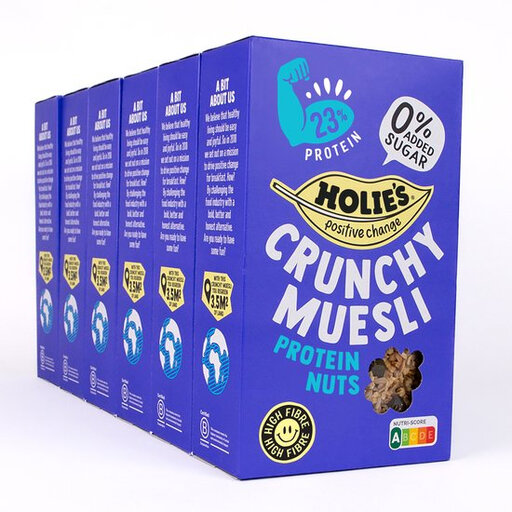
Why this fits the profile: A multipack for anyone who wants to plan breakfast or snacks easily and compare the nutritional values in advance.
The product information states 22 grams of protein and 21 grams of fibre per 100 grams, so you can look beyond the “0% added sugar” claim.
6 bags of 400 grams; ingredients include oats, wheat protein, almonds and hazelnuts. Not suitable if you have these allergies.
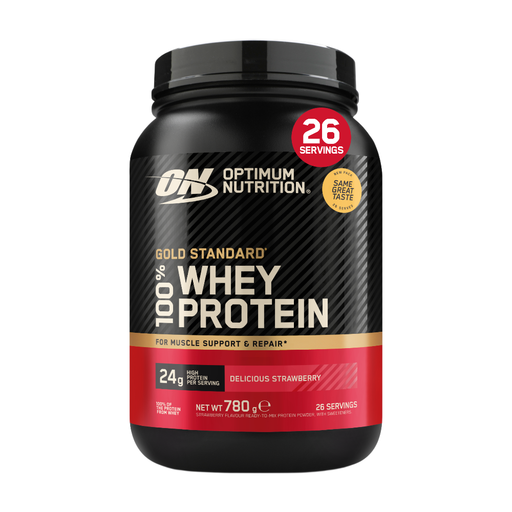
Why this fits the profile: For athletes who want a well-balanced protein powder with a fixed serving size for use around strength training.
The nutritional information states 24 grams of protein and 1.2 grams of sugar per 30-gram serving. This allows you to verify the “high protein” claim.
Approximately 26 servings per pack; 112 kcal per serving. Contains milk and soya.
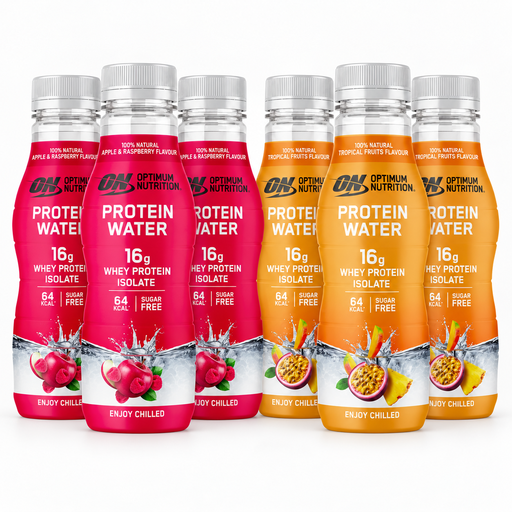
Why this fits the profile: For athletes and commuters who want a ready-to-drink protein drink to take with them without needing a shaker or powder.
The bottle contents, protein value, calories and sugars are listed per 350 ml. So you don’t have to rely on words like “light” or “refreshing” alone.
6 bottles, two flavours, 16 grams of protein per bottle and no preparation needed. Contains milk.
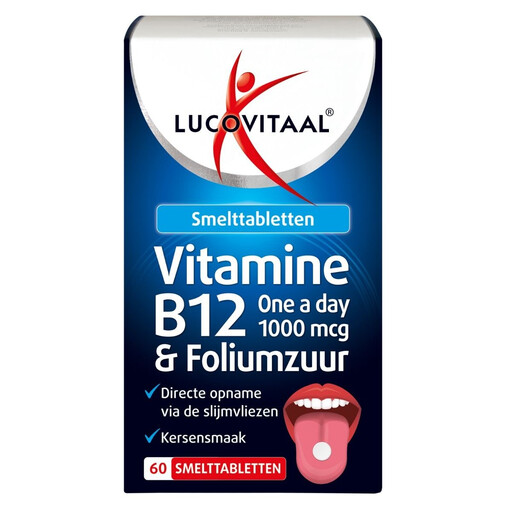
Why this fits the profile: For adults who want to specifically supplement vitamin B12 and folic acid and find a melt tablet convenient.
The product information states per tablet 1000 micrograms of vitamin B12 and 300 micrograms of folic acid, plus a daily dosage of one tablet.
60 melt tablets; according to the product information, vegan and free from the 14 major EU allergens. A supplement does not replace a varied diet.
We’ve put together a full, up-to-date list of products that fully meet these strict selection criteria and comply with current European safety regulations.
Use both values. Per serving shows what you’re actually taking in. Per 100 grams makes it fairer to compare different products, especially when serving sizes vary widely.
No. Also check the caffeine, calories, sweeteners and the recommended maximum amount. A sugar-free energy drink can still contain a lot of caffeine. For Ghost Energy, the product information states 200 mg of caffeine per can; bear in mind coffee and other sources of caffeine.
The best-before date is on the packaging. Store supplements according to the label, usually in a dry, sealed place away from direct sunlight. Don’t use any product where the packaging is damaged or where the smell, colour or texture has clearly changed. If in doubt, always refer to the current packaging.
